




Traffic Management at Brisbane 2032: The Jobs Behind the Scenes

Home Infrastructure & Transport Traffic Management at Brisbane 2032: The Jobs Behind the Scenes

When thousands of people travel to sporting events at the same time, keeping traffic moving becomes a job in itself.

Behind the buses, trains and crowds are people watching what is happening across the road network, responding to incidents and helping coordinate traffic around busy locations.

For Brisbane 2032, this behind-the-scenes work could become an important part of event operations. Traffic management can involve everything from monitoring road conditions and coordinating responses to helping keep vehicles, pedestrians and cyclists moving safely.

These roles may suit people who enjoy working with technology, solving problems and staying focused when things become busy.
What Does Traffic Management Involve?

Traffic management is about more than directing cars on the road.

At a large event, teams may need to understand what is happening across several locations at once. A traffic problem in one area can affect roads, public transport and access to a venue somewhere else.

Possible Duties

Depending on the role, workers could be involved in:

  • Monitoring traffic conditions
  • Watching CCTV and other transport systems
  • Reporting or responding to incidents
  • Coordinating with traffic and transport teams
  • Communicating information to field staff
  • Helping manage changes around busy venues
  • Monitoring pedestrian and cycling routes
  • Supporting emergency responses when required


Some of these jobs can take place outdoors, while others may be based inside a traffic or transport operations centre.
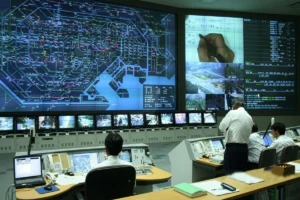
People monitoring Geographic Information System (GIS) maps on a large display screen.

Traffic Management Jobs Behind the Scenes

Not everyone working in traffic management will be standing beside a road.

Some roles are based in control rooms where operators monitor several sources of information at once.

Control Room Operations

A control room operator, for example, may watch traffic cameras, review information about incidents and communicate with teams working on the ground.

The work can be fairly quiet at times. Then a crash, road closure or sudden increase in traffic can change the situation quickly.

That means concentration matters.

Workers need to notice what is happening, understand the information available to them and communicate it clearly to the appropriate people.

What Skills Are Useful?

You don’t necessarily need to be a transport expert to start building relevant skills.

Different positions will have different requirements, but several abilities can be useful across traffic management roles.

Attention to Detail

Traffic operations can involve a lot of information coming in at the same time.

Being able to notice changes, identify potential problems and avoid overlooking important details is valuable.

Communication

Traffic management often involves working with other people.

You may need to communicate with field teams, supervisors, transport staff or emergency services. Clear and concise communication becomes especially important when something unexpected happens.

Staying Calm Under Pressure

Traffic problems don’t always happen at convenient times.

When congestion suddenly builds up or an incident affects a major route, workers need to stay focused rather than panic.

Being able to follow procedures and communicate useful information can make a big difference.

Technology Skills

Some traffic operations roles involve CCTV, computer systems, digital communication tools, mapping software and other technology.

You don’t necessarily need to know every system before applying. Being comfortable with computers and willing to learn can be a good starting point.

Problem-Solving

Traffic conditions can change quickly.

Workers may need to assess what is happening and help determine what information needs to be passed to the right team.

Being able to think logically and work through a problem can therefore be useful.
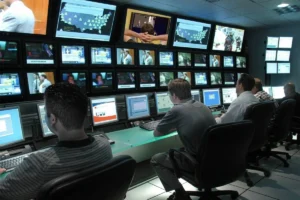
Staff observing a monitoring system from a control room.

What Is a Traffic Management Centre?

A Traffic Management Centre, often referred to as a TMC, is a facility where traffic conditions and transport networks can be monitored and coordinated.

Instead of watching just one road, staff can have access to information from different parts of the network.

What Happens Inside a TMC?

This type of environment can include control-room operators and other transport professionals who work together to identify incidents, communicate with field teams and support the wider road network.

For someone who likes technology and prefers monitoring and coordination rather than outdoor traffic work, this could be an interesting area to explore.

Traffic Controller vs Traffic Management

These terms can sound similar, but they can refer to different types of work.

What Does a Traffic Controller Do?

A traffic controller may work directly on roads, at worksites or around events to help manage vehicle and pedestrian movements.

What Does Traffic Management Involve?

Traffic management is broader.

It can include planning, monitoring, coordination, incident response and other activities designed to keep people and vehicles moving safely.

This distinction is worth remembering when searching for work.

If you’re interested in the behind-the-scenes side of transport operations, don’t limit your search to traffic controller positions.

Look at traffic operations, network coordination, control-room and traffic management roles as well.

How Could Brisbane 2032 Affect Traffic Management?

The Games will bring large numbers of athletes, staff, spectators and visitors to Brisbane and other locations involved in the event.

That means transport planning will need to account for periods when particular roads and venues become much busier than usual.

What Could Change?

Exactly how traffic management will operate at each location will depend on the final transport plans and arrangements.

It is therefore too early to assume that every type of traffic job will experience the same increase in demand.

Instead, people interested in this area should watch how transport projects, venue development and event planning progress over the coming years.

How Can You Prepare?

You don’t have to wait until 2032 to start developing relevant experience.

If you’re interested in traffic management, look at current roles that allow you to build useful skills.

Experience That Could Help

Depending on the position, experience in areas such as:

  • Transport operations
  • Logistics
  • Security monitoring
  • Customer service
  • Traffic control
  • Event operations
  • Dispatch
  • Control-room work

could help you develop transferable skills.

Technology experience can also be useful, particularly if you’re interested in roles involving monitoring systems or transport operations centres.

Most importantly, check the requirements of each job rather than assuming every position has the same qualifications.

Where Could You Look for Jobs?

Traffic-related positions can be advertised by different types of employers.

Depending on the role, opportunities may come from government organisations, transport operators, contractors, event companies or businesses involved in infrastructure and traffic services.

Search Using Different Job Titles

You can also search using different job titles.

Try terms such as:

  • Traffic management jobs
  • Traffic control jobs
  • Traffic controller
  • Traffic operations jobs
  • Traffic management centre jobs
  • Transport control room jobs
  • Network operations jobs

Using several search terms can help you find positions that don’t use the exact wording you expected.

What Could the Working Conditions Be Like?

Working conditions depend heavily on the position.

Outdoor Traffic Roles

Outdoor traffic roles may involve standing, walking and working around roads in changing weather conditions.

Control Room Roles

Control-room positions are different. Workers may spend long periods at a workstation monitoring screens and communicating with other teams.

Some transport operations need to run outside normal business hours, particularly when major events or busy transport periods are involved.

That means certain roles could include early starts, evening work, weekends or rotating shifts.

Always check the actual job advertisement for the hours, location and employment conditions.

Frequently Asked Questions

What is traffic management?

Traffic management involves planning, monitoring and coordinating the movement of vehicles and people around roads, events, worksites and other busy areas.

What is the difference between traffic management and traffic control?

Traffic control can involve directly managing vehicle and pedestrian movements, while traffic management is a broader area that can include planning, monitoring, coordination and incident response.

Do traffic management jobs require experience?

It depends on the position. Some roles may require specific experience or qualifications, while entry-level positions may focus more on transferable skills and a willingness to learn.

Can traffic management jobs involve computers?

Yes. Some roles use CCTV, mapping systems, communication tools and other technology to monitor traffic conditions and coordinate responses.

Are traffic management jobs only outdoors?

No. Some positions are field-based, while others take place inside control rooms or transport operations centres.

Could Brisbane 2032 create more traffic-related opportunities?

The Games will involve significant transport activity, which could create additional work across different areas. However, the exact number and type of jobs will depend on future planning, contractors and operational requirements.

Final Thoughts

Getting people around Brisbane during a major international event is a huge coordination exercise.

While drivers and public transport workers are highly visible, many other people work behind the scenes to help keep the network operating smoothly.

Traffic management could therefore be an area worth watching as Brisbane moves closer to 2032.

If you’re interested in this type of work, start developing relevant skills now rather than waiting for Olympic-specific vacancies. Experience in transport, logistics, traffic control, security monitoring or other operational roles could help you build a useful foundation.

And when the time comes to search for opportunities, look beyond the words “Olympic jobs.” The right position could be advertised simply as a traffic management, traffic operations or control-room role.

Share this

INTERESTED IN FUTURE OPPORTUNITIES?

Join the Brisbane Olympic Jobs Talent Pool

Submit your details and résumé to express your interest in future employment opportunities across Brisbane and Queensland.

Join The Talent PoolBrowse Current Jobs

Related Articles

Thank you for subscribing!

You’ll now receive job alerts and hiring updates based on your selected industry.

In the meantime, explore the latest opportunities across Brisbane and Queensland.

Job application thank you page with confirmation message