







Construction jobs pay rate can vary depending on the trade, experience, location, employer and type of project. A major period of construction can affect more than the number of projects being built. It can also change the way employers compete for workers.
As Brisbane prepares for the 2032 Olympic and Paralympic Games, construction activity across South East Queensland could create periods when employers are looking for people with particular trades, qualifications and experience.
That naturally raises an important question for construction workers:
Could Brisbane 2032 have an effect on construction wages in Queensland?
There isn’t a simple answer. Pay can vary considerably depending on the trade, location, experience, employer, type of project and working arrangements.
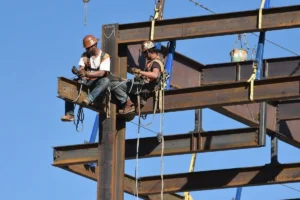
Why Could Construction Activity Affect Wages?
When several projects need similar workers at around the same time, employers may find it harder to fill certain positions.
For example, if multiple projects are looking for workers with specialised experience, companies may have to compete with other employers for the available workforce.
That competition can sometimes influence employment offers.
However, higher pay isn’t the only way employers can attract workers. Depending on the position, an offer could also include things such as:
- Overtime opportunities
- Allowances
- Different roster arrangements
- Project-based incentives
- Additional employment benefits
What a worker is actually offered will depend on the individual position and employer.
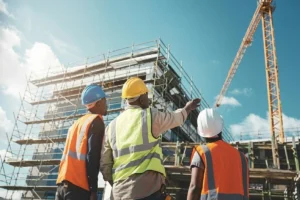
Your Trade Can Make a Difference
There isn’t one standard construction wage that applies to everyone.
An experienced worker in a specialised area can have very different earning potential from someone who is just starting out.
Qualifications, practical experience, the type of work being performed and the level of responsibility can all play a part.
For that reason, workers should be cautious about broad claims suggesting that Brisbane 2032 will automatically push up pay across the entire construction industry.
Some occupations may experience stronger demand than others.
Location Could Also Affect Pay
Where you work can influence your employment conditions too.
If construction activity becomes particularly strong in Brisbane or another part of South East Queensland, employers in those areas may face different labour conditions from businesses operating in regions with fewer major projects.
Workers may also choose to travel for opportunities when demand is stronger in another location.
That can create additional costs, though, so a higher advertised rate doesn’t necessarily mean a better overall deal.
Travel, accommodation, working hours and other expenses are worth considering before making a decision.
Don’t Confuse Overtime With Your Normal Rate
When comparing a construction jobs pay rate, it is important to separate the ordinary rate from total income.
A worker who takes on substantial overtime may earn considerably more during a particular period.
That doesn’t necessarily mean their standard hourly rate has increased.
Overtime, penalty rates, allowances and the number of hours worked can all affect the amount a person receives.
So when comparing construction jobs, look at the complete employment arrangement rather than focusing on one figure.
Could Higher Pay Last After the Construction Cycle?
Not necessarily.
Construction demand can change as major projects move through different stages and eventually reach completion.
If several projects finish around the same period, employers may no longer need the same number of workers.
Some people may move to another project, while others may look for work in a different part of the construction industry.
This is why it can be risky to make long-term career decisions based only on the possibility of temporary wage increases.
What Should Construction Workers Consider?
If you’re watching the construction market, don’t focus only on whether the construction jobs pay rate is rising.
Look at the complete opportunity.
Consider:
- The ordinary hourly rate
- Expected working hours
- Overtime arrangements
- Location
- Travel requirements
- Project duration
- Qualifications required
- Your level of experience
- Other employment conditions
A position with a higher construction jobs pay rate may not necessarily be the better choice if the project is short, requires significant travel or involves costs that reduce the overall benefit.

Keep an Eye on the Market
Construction workers don’t need to predict exactly what wages will look like in 2032.
Instead, it can be more useful to pay attention to changes in the industry as projects develop.
Watch how employers are recruiting, what types of workers they are seeking and whether particular skills appear to be in greater demand.
This can give workers a better idea of where their experience may be most valuable.
It also helps avoid relying on exaggerated predictions about how much construction workers will earn during the Brisbane 2032 period.
Frequently Asked Questions
Could Brisbane 2032 increase construction wages?
It could contribute to stronger competition for certain workers during periods of high construction activity. However, any effect on wages will depend on the trade, project, location and wider labour market.
Will every construction worker earn more?
No. Wage changes are unlikely to be identical across every occupation. Experience, qualifications, location and the type of work can all affect pay.
Does overtime count as a higher construction wage?
Not in the same way as an increase to the ordinary rate. Overtime can increase total earnings while leaving the standard rate unchanged.
Could construction wages change after major projects finish?
They could. When projects are completed, demand for certain workers may change, which can affect employment conditions and the availability of work.
What should I compare when looking at construction pay?
Look beyond the advertised hourly rate. Consider ordinary pay, overtime, hours, allowances, location, travel, project length and other employment conditions.
Final Thoughts
Brisbane 2032 could have an effect on Queensland’s construction labour market, particularly during periods when several major projects need workers at the same time.
But that doesn’t mean every construction worker will automatically receive higher pay.
Construction wages are influenced by many things, including trade, experience, qualifications, location and the conditions attached to a particular position.
For workers, the smartest approach is to look at the whole employment package, keep an eye on changes in the market and avoid assuming that a major construction cycle will affect every trade in exactly the same way.