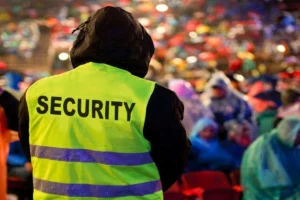





When thousands of people arrive at a major sporting venue, security screening can be one of the first things they encounter. Before spectators reach their seats, screening staff may be responsible for checking people and belongings, managing entry points and helping make sure venue access procedures are followed.
For Brisbane 2032, venue security screening roles could be part of the wider security operation supporting spectators, athletes, officials, workers and other authorised visitors.
The work is different from patrolling a venue or monitoring security cameras. Screening staff are generally positioned around entry areas where they interact directly with people arriving at the venue.
If you’re interested in this type of work, understanding what the role involves can help you decide whether it suits you.
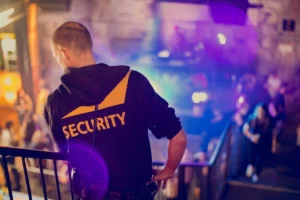
What Is Venue Security Screening?
Venue security screening involves checking people and items before they enter a controlled area.
The exact process will depend on the venue, employer and security procedures in place. Screening may involve checking whether a person is authorised to enter, inspecting belongings and following procedures designed to prevent prohibited items from entering the venue.
The role can involve a combination of security procedures and customer interaction.
Screening staff may need to:
- Check tickets, passes or other access credentials
- Direct people to the appropriate entry point
- Conduct security screening according to workplace procedures
- Check bags or personal belongings where required
- Identify items or situations that need further attention
- Follow instructions from supervisors
- Communicate with visitors
- Report incidents or concerns
- Help maintain an orderly entry process
The exact responsibilities will depend on the position.
Where Could Screening Staff Work?
Venue security screening is most likely to take place around areas where people enter controlled parts of a venue.
Depending on the event and venue layout, this could include:
- Main spectator entrances
- Staff entrances
- Accreditation checkpoints
- Restricted access areas
- Athlete or official access points
- Hospitality entrances
- Other controlled entry locations
Not every screening position will involve the same type of access point.
A busy spectator entrance may involve large numbers of people moving through the area, while an access point for authorised personnel may involve a different process.

What Does a Screening Shift Look Like?
A typical shift can involve spending a significant amount of time at an assigned entry or screening location.
During busy periods, there may be a continuous flow of spectators entering the venue. Staff need to follow the required process while keeping the line moving as efficiently as possible.
There may also be quieter periods.
Even when fewer people are arriving, screening staff still need to remain attentive and follow the required procedures.
The work can involve standing for extended periods, communicating with members of the public and repeating the same security checks throughout a shift.
Working With Spectators
One of the main differences between screening and some other security roles is the amount of direct interaction with the public.
A screening worker may need to explain where someone should go, answer a basic question about the entry process or explain why a particular procedure needs to be followed.
Not every visitor will be familiar with the venue’s security procedures.
Some may be carrying items they didn’t realise were restricted. Others may be unsure about which entrance to use or where to find a particular area.
Screening staff need to follow the rules while communicating with people in a professional manner.
Attention to Detail Matters
Small details can be important during the screening process.
A worker may need to check an access credential, notice an issue with an item or recognise that someone needs to be directed to another part of the venue.
This doesn’t mean screening staff are expected to make every decision independently.
When something falls outside their normal responsibilities, they may need to follow the appropriate procedure or refer the situation to a supervisor or another authorised team member.
The important part is recognising when something requires attention and following the correct process.
Staying Professional During Busy Periods
Major sporting events can create periods of heavy foot traffic.
When large numbers of spectators arrive around the same time, screening areas can become busy quickly.
Workers may need to deal with:
- Long queues
- Repeated questions
- People in a hurry
- Delays at entry points
- Visitors unfamiliar with the venue
- Changes to normal entry arrangements
Remaining professional during these situations is important.
Screening staff don’t need to rush through procedures simply because the queue is long. The priority is to follow the required security process while communicating clearly with visitors.
How Is Screening Different From Crowd Control?
Venue screening and crowd control can sometimes happen in the same area, but they are not exactly the same type of work.
Venue security screening is primarily concerned with the process of checking people, belongings or access before entry.
Crowd control is more focused on managing the movement and behaviour of groups of people.
For example, a screening worker might check a person’s bag at an entry point, while a crowd controller could help manage a queue or respond to crowd behaviour.
The responsibilities can overlap depending on the position, but the main purpose of each role is different.
How Is Screening Different From Control Room Work?
The working environment is also different from security control room roles.
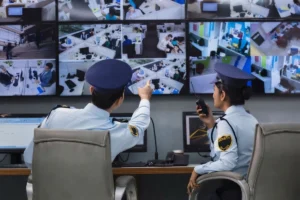
Control room workers may spend their shifts monitoring CCTV, security systems and information from around a venue.
Screening staff are normally working at physical entry points and interacting directly with people.
If you prefer face-to-face interaction and an active venue environment, screening may be more suitable than a control room position.
If you prefer monitoring systems and working from a fixed location, a control room role may be a better fit.
What Could Make Someone Suitable for Screening Work?
The employer will determine the requirements for each position, but some qualities can be useful in a venue screening environment.
Communication
Screening staff interact with visitors throughout their shifts. Being able to explain instructions clearly and politely can make the entry process easier.
Patience
People may ask the same questions repeatedly, particularly at a large event where visitors are unfamiliar with the venue.
Being patient can help prevent small issues from becoming unnecessary conflicts.
Alertness
Screening work requires attention throughout the shift. Workers need to remain focused even when the process becomes repetitive.
Professionalism
Staff represent the organisation while interacting with spectators and other visitors. Remaining respectful and professional is important, including when someone is frustrated.
Following Procedures
Security screening relies on established procedures. Workers need to understand their responsibilities and follow the instructions provided by their employer.