

Choosing your next career path involves more than comparing salaries. You also need to consider your lifestyle, the type of work you enjoy, how much time you want to spend away from home and what you hope to achieve in the future.
For some Australians, FIFO work offers the chance to earn a competitive income while gaining experience in industries such as mining and construction. Others may prefer jobs connected with the Brisbane 2032 Olympics, where they could gain experience in event operations, infrastructure, technology, logistics and other fields.
Both options have their advantages and challenges. The right choice depends on your priorities, personal circumstances and long-term career goals.

FIFO Jobs Australia: What Is the Work Really Like?
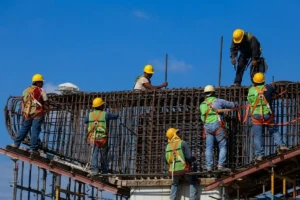
FIFO stands for Fly-In Fly-Out. Instead of travelling to the same workplace every day, employees travel to a worksite, often in a remote location, and stay there for an agreed period before returning home for their scheduled break.
Many people consider fifo jobs australia because of the potential earnings and roster arrangements. These positions are common in mining, resources, construction, maintenance and related industries. However, the actual pay, working conditions and benefits depend on the employer, role, location and required experience.
Before applying, it is worth understanding what this type of work involves.
- Earning potential: Some positions offer attractive pay packages, particularly when specialised skills or remote-site conditions are involved.
- Roster arrangements: You may work several consecutive days or weeks before having time off.
- Remote worksites: Depending on the role, you could spend your working days far from major cities and your usual social circle.
- Industry experience: FIFO work can help you develop practical skills in equipment maintenance, construction, operations and workplace safety.
One advantage of roster-based work is having scheduled periods away from the job. Some workers use this time to rest, spend time with family or manage personal projects.
However, being away from home for extended periods can also be challenging. Long shifts, travel requirements and time apart from loved ones are important factors to consider before accepting an offer.
Olympic Jobs: A Different Kind of Career Opportunity
Jobs connected with Brisbane 2032 may cover a wide range of industries. The work will not be limited to athletes, sporting venues or event-day activities. Depending on the project and employer, employment may involve construction, transport, security, technology, accommodation, logistics, administration and event planning.
Unlike many remote FIFO positions, some Olympic-related jobs may be based in Brisbane or surrounding areas. This could appeal to people who want to gain experience on a major project without regularly travelling to a remote worksite.
Potential benefits include:
- Different types of work: Roles may be available in technical, administrative, operational and customer service areas.
- Transferable skills: Experience in project coordination, communication, technology or logistics may be useful in other industries.
- Professional connections: Major projects often require people to work alongside different teams, contractors and organisations.
- Career development: Certain roles may help you build experience that is relevant to future projects or employers.
It is important to remember that not every Olympic-related position will be permanent. Some jobs may be fixed-term, casual or connected to a specific stage of preparation and delivery. Always check the employment conditions before applying.
Since employment arrangements can vary, compare contract vs casual jobs for the Olympics to understand which type of arrangement may suit your circumstances.
Salary and Earning Potential: Which Pays More?
Money can be a major factor when deciding between these two career paths. However, comparing salaries is not always as simple as choosing the job with the highest advertised figure.
Some FIFO positions pay well because of the technical skills required, remote locations, roster arrangements or working conditions. When considering fifo jobs australia, look beyond the advertised salary and check the roster, allowances, travel arrangements, accommodation and other employment benefits.
Olympic-related positions will have different pay structures depending on the employer, industry, responsibilities and contract type. A specialised technical position, for example, may have very different earning potential from a casual event role.
Rather than assuming one option always pays more, compare actual job advertisements. For a closer look at potential earnings across different roles, read the Salary Guide for Brisbane 2032 Jobs before deciding which career path better suits your financial goals.
Consider the total package, your living expenses, travel costs and how the working arrangement could affect your everyday life.
Lifestyle and Work-Life Balance
Your working environment can have a major effect on your personal life.
FIFO work usually involves spending a set period away from home. Some people enjoy the routine because they know when they will be working and when they will have time off. Others find the distance from family, friends and familiar surroundings difficult, especially when the roster involves long shifts.
Olympic-related employment may offer a more conventional urban routine, depending on the position. However, project deadlines, event schedules and operational demands can still mean busy periods, shift work or changing hours.
Think about the lifestyle you want rather than focusing on the job title alone. Consider your family commitments, preferred working hours, tolerance for travel and the type of workplace where you feel comfortable.
Career Growth After the Job Ends
It is also worth thinking about what happens after your contract or project finishes.
FIFO experience can help you develop specialised knowledge in mining, construction, maintenance, safety and site operations. These skills may support applications for other positions within the same industries, depending on your experience and qualifications.
Olympic-related work can provide experience in project delivery, event coordination, logistics, technology, customer service or other areas. Depending on the role, these skills may be useful when applying for jobs in future events, infrastructure projects or other organisations.
Neither career path guarantees long-term employment. Your future options will depend on your performance, qualifications, skills, industry demand and the availability of suitable positions.
Which Career Path Is Right for You?
There is no single answer that works for everyone. Your priorities, experience and personal circumstances should guide your decision.
FIFO work may be worth considering if you are comfortable with remote locations, structured rosters and time away from home. It may also suit people who want to build specialised experience in mining, construction or related industries.
Olympic-related employment may appeal to people who prefer working on large-scale projects, gaining experience across different industries or pursuing opportunities based in and around Brisbane. The available roles, however, will vary in location, pay, contract length and entry requirements.
Before making a decision, ask yourself a few practical questions:
- Does the salary justify the working conditions and travel requirements?
- Am I comfortable spending extended periods away from home?
- Do I prefer specialised work or experience across different industries?
- What skills would I like to build or improve over the next few years?
- What employment options could be available after the contract ends?
Comparing real vacancies will give you a clearer picture than relying on general assumptions about either career path.
Final Thoughts
Both FIFO work and Olympic-related employment can offer valuable experience, but they serve different needs.
For people who prefer roster-based work and want to develop specialised industry skills, fifo jobs australia may be worth considering. For those interested in major projects, event operations or experience across different professional fields, Olympic-related roles may be another option to explore.
The right choice isn’t always the job with the highest pay or the most exciting project to be part of. It is the position that matches your priorities, offers reasonable working conditions and helps you move towards your longer-term career goals.
Before choosing between fifo jobs australia and Olympic employment, compare real vacancies, salary packages, contract conditions and long-term prospects
Take the time to compare the responsibilities, pay, contract terms and lifestyle requirements of each opportunity. A well-informed decision now can help you choose a career path that works for both your professional ambitions and your life outside work.