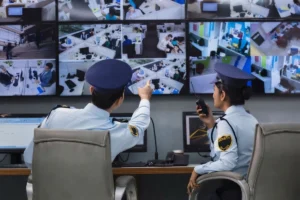




Security monitoring jobs can play an important behind-the-scenes role at major sporting events. Instead of working directly with crowds, security monitoring staff use cameras, communication systems and other technology to help identify issues and keep venue teams informed.
At Brisbane 2032, these roles could suit people who are comfortable working with technology, paying attention to detail and staying calm when situations become busy.
Security control room jobs at the Brisbane Olympics could suit people who are comfortable working with technology, paying attention to detail and staying calm when situations become busy.
Rather than spending the day patrolling a venue, control room staff work with security systems and information to help teams respond to incidents and maintain a safe environment.
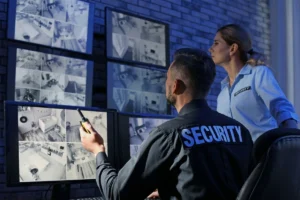
What Does a Security Control Room Worker Do?
The exact duties will depend on the employer and venue, but the role generally involves monitoring information and communicating with people working on the ground.
Typical responsibilities may include:
- Monitoring CCTV and other security systems
- Watching for unusual activity or situations that may require attention
- Communicating with security officers and supervisors
- Passing important information to the appropriate team
- Recording incidents and relevant details
- Following workplace security procedures
- Supporting the wider security team during an incident
A shift may be quiet for long periods, but that doesn’t mean the operator can switch off. When an issue occurs, the situation can change quickly and require immediate attention.
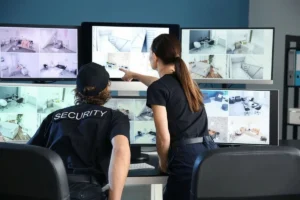
What Skills Are Useful for Control Room Work?
You don’t have to be a technology expert to consider this type of role. However, being comfortable using computers and learning new systems can be helpful.
Attention to Detail
Control room workers need to notice information that others might miss. A change on a camera feed, an unusual movement or an access issue may need to be investigated or reported.
Concentration
Monitoring work requires focus, particularly when watching screens or handling information for extended periods. Being able to stay attentive during quieter parts of a shift is important.
Communication
Information needs to be passed to the right person clearly and accurately. Control room operators may communicate with security officers, supervisors, venue staff and other teams.
Staying Calm
When something happens, the ability to remain composed is important. Control room staff need to follow procedures and communicate useful information rather than becoming overwhelmed by the situation.
Technology Skills
Depending on the position, you may work with CCTV, radios, computers, alarms and other monitoring equipment. Being willing to learn different systems can be an advantage.
Do You Need a Security Licence?
Yes, licensing is important for security monitoring work in Queensland.
The Queensland Government states that a monitoring security officer needs a Queensland Security Provider Class 1 licence. Applicants must be at least 18, provide proof of identity, have fingerprints taken and pass a criminal history check. The current Queensland Government guidance also states that training is not required for the monitoring security officer licence.
Licensing requirements can differ between security functions, so always check which licence applies to the particular position before applying.
Check the Queensland Government monitoring security officer licence requirements
How Can You Prepare for a Control Room Job?
IIf you’re interested in security monitoring jobs, there are several things you can do before applying.
Get the Right Licence
Start by checking the Queensland requirements for monitoring security officers. Having the appropriate licence in place can make it easier to apply when suitable positions become available.
Build Relevant Experience
Experience in security, surveillance, venue operations, customer service or other jobs that require concentration can help you develop transferable skills.
You don’t necessarily need previous Olympic experience. Employers will look at the requirements of each position and the skills you can bring to the role.
Improve Your Computer Skills
Control rooms rely on technology, so being comfortable with computers and learning unfamiliar systems can be useful.
If you have experience using monitoring software, communication systems or other technology at work, make sure you mention it on your resume when it is relevant to the position.
Keep Your Resume Focused
Make your relevant experience easy for an employer to find. Include your security licence, relevant experience, technology skills and any qualifications that relate to the position.
You don’t need to list every task you’ve performed. Focus on experience that demonstrates attention to detail, reliability, communication and the ability to follow procedures.
What Are the Working Conditions Like?
Control room work is generally different from security positions that involve regular patrols or crowd management.
Most duties take place indoors, but the role still requires concentration throughout the shift.
Depending on the employer and venue, you may work:
- Early mornings
- Evening shifts
- Nights
- Weekends
- Public holidays
- Longer shifts during major events
Some positions may involve sitting or remaining at a workstation for extended periods while monitoring security systems.
The workload can also change depending on what’s happening at the venue. A quiet period may be followed by a situation that requires several teams to communicate and respond.
Is Previous Experience Required?
It depends on the employer and the position.
Some control room jobs may prefer applicants who already have experience in security monitoring, CCTV or a similar environment. Other positions may consider people with relevant transferable skills who meet the required licensing conditions.
If you’re new to security, don’t automatically assume that you cannot apply. Read each job advertisement carefully and look at the specific experience and qualifications requested.
Can This Experience Lead to Other Security Roles?
Control room work can help you understand another side of the security industry.
The experience may be useful if you later want to explore other areas such as venue security, security monitoring, event operations or supervisory positions.
For someone who prefers working with technology and information rather than spending an entire shift managing crowds, a control room environment may offer a different career path within security.
Frequently Asked Questions
Do security control room workers need a licence?
Yes. Queensland Government information states that monitoring security officers need a Class 1 security provider licence.
Do I need training for a monitoring security officer licence?
The current Queensland Government guidance says training is not required for the monitoring security officer licence itself. Other security functions may have different requirements.
Do control room workers use CCTV?
CCTV and other electronic monitoring systems can be part of security monitoring work. The equipment used will depend on the employer and venue.
Do I need previous control room experience?
Not always. Some employers may ask for previous monitoring experience, while others may consider applicants with relevant skills and qualifications.
Can control room workers work at night?
Yes. Security operations can require coverage outside standard business hours, so shifts may include nights, weekends and public holidays.
Is this a good role for someone who likes technology?
It can be. Control room work involves monitoring systems and communicating information, so people who are comfortable with technology and enjoy focused work may find it suitable.
Final Thoughts
Security control room jobs at the Brisbane Olympics could appeal to people who prefer a technology-focused security environment rather than working directly with large crowds.
The work requires concentration, clear communication and the ability to stay composed when something unexpected happens.
If you’re interested in security monitoring jobs, start by checking the Queensland licensing requirements, building relevant experience and developing the technical and communication skills employers may look for.
The experience could also be useful after Brisbane 2032, particularly if you want to continue working in security monitoring or other technology-focused security roles.