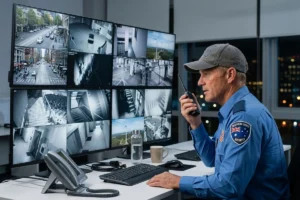
Before the first competition begins, hours of preparation have already gone into getting a major sporting event ready. Staff arrive, venues prepare for scheduled activities, and different teams make sure their assigned responsibilities are covered.
For a security officer, the working day can start well before spectators arrive. The focus is not simply on what happens when a problem occurs, but also on understanding the day’s schedule, knowing the assigned responsibilities and being ready for changes as the event progresses.
This behind-the-scenes side of event security offers a different perspective on how large sporting events operate. For people interested in potential security work connected with Brisbane 2032, understanding the flow of an event day can help explain what the working environment may be like. Actual duties will depend on the employer, venue and position.
Before the Event: Getting Ready for the Day
A shift at a major sporting event may begin with preparations that spectators never see. Before the venue becomes busy, security staff may need to arrive at a designated meeting point, receive instructions and confirm their work assignments.
The pre-event briefing can help staff understand the day’s schedule, expected attendance, planned activities and any changes that could affect their duties. Supervisors may also explain communication arrangements and clarify who to contact if a situation needs attention. For anyone applying for a Security Officer position, understanding these pre-event duties can provide a clearer idea of what to expect during a typical shift.
These early preparations give everyone a clearer idea of what to expect. Even when staff have worked at the same venue before, the schedule and operational arrangements may differ from one event to another.
People who want to prepare for this type of work can also read How to Prepare for Event Security Jobs at Brisbane 2032 for related guidance on getting ready for potential roles.
Understanding the Venue Layout and Assigned Responsibilities
Large sporting venues can have different areas operating at the same time. A security officer may be assigned to a particular location, section or operational area rather than moving around the entire venue.
Understanding the assignment helps staff know where they are expected to work, which responsibilities fall within their role and how their position fits into the wider operation.
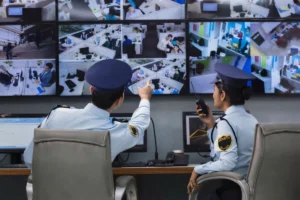
The duties can differ considerably between positions. For example, staff working in a fixed location may have a different routine from those assigned to patrol an area or monitor security equipment. For a closer look at the technology-focused side of the industry, read Security Monitoring Jobs at the Brisbane Olympics: What to Know.
Knowing the limits of an assignment is also important. Staff should follow the procedures set by their employer and refer questions or concerns to the appropriate supervisor when necessary.

When the Venue Starts Getting Busy
As spectators, workers and other authorised visitors begin arriving, the atmosphere around a venue can change quickly. Areas that were relatively quiet earlier may become much busier as an event approaches its scheduled start.
During these periods, security staff need to remain aware of their surroundings while continuing with their assigned duties. The pace can differ based on the location, the event schedule and how many people are passing through the venue.
Some positions involve more direct contact with the public, while others focus on maintaining awareness of a particular area. The specific responsibilities depend on the assigned position, the venue layout and the procedures established by the employer.
The important point is that not every security shift follows the same routine. The working environment can depend heavily on where a person is stationed and what is happening around them.
Working Around an Event Schedule
A major sporting event follows a schedule, but the work surrounding it does not always happen at a steady pace. The arrival of spectators, the start of a competition, breaks between activities and the end of an event can all affect how busy different areas become.
A Security Officer may need to maintain their assigned duties through quieter periods and busier moments alike. Some parts of the shift may feel repetitive, while others may require closer attention because the surroundings have changed.
Being familiar with the day’s schedule can help staff understand why certain periods are busier than others. However, they must still follow instructions and workplace procedures instead of assuming what needs to be done next.
What Happens When Event Arrangements Change?
During a major sporting event, a security officer may need to adapt to changes in schedules, venue arrangements or instructions from a supervisor. An activity may run longer than expected, a venue area may become busier or staff may receive updated instructions from a supervisor.
When changes occur, security personnel may need to adjust their work according to the instructions they receive. The exact response will depend on the situation, the assigned role and the procedures established by the employer.
Clear communication matters because different teams may be working in separate areas of the same venue. Passing information to the appropriate person helps avoid confusion and supports a more coordinated response.
The responsibility of an individual security officer is not necessarily to make decisions for the entire venue. In many cases, the best approach is to follow the usual procedures and speak with the person in charge of the next step.
Coordinating With Other People Working at the Venue
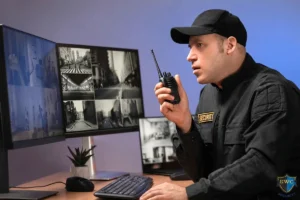
A major sporting event involves more than security personnel alone. Venue operations, event staff, supervisors, contractors and other teams may all have responsibilities that affect how the day runs. A security officer should understand how to communicate with these teams when an issue affects their assigned area or requires additional support.
Security staff may need to communicate with these groups when an issue relates to their assigned area or requires assistance from another team. The amount of contact will depend on the role and the venue’s operating arrangements.
Good coordination does not always mean having lengthy conversations. Sometimes, a brief and accurate update is enough to make sure the right person understands what is happening.
For people considering this type of work, it is useful to recognise that security duties form part of a wider operation. The position may have a specific focus, but staff still need to understand how their work connects with the activities taking place around them.
Managing Long Periods of Event Activity
Major sporting events can involve long shifts, changing activity levels and periods when staff must remain attentive even though little appears to be happening.
Depending on the assignment, the work may involve standing, walking or remaining in one location for extended periods. Shift arrangements, breaks and physical demands will vary by employer and position.
It is worth considering these practical aspects when researching potential roles. Someone who enjoys an active environment may prefer a position involving movement, while another person may be more comfortable with a fixed assignment or a technology-focused workplace.
Understanding the nature of the work, including the expected duties, physical demands and employment conditions, can help people decide whether a particular security role suits their interests and expectations.
After the Event: Closing Out the Assignment
A competition ending does not necessarily mean that the security shift is over. Depending on the venue and assignment, staff may remain at their designated locations while spectators leave and other event activities wind down.
Once the relevant duties are completed, staff may need to provide an update to a supervisor, communicate outstanding matters or complete a handover before leaving. The process will depend on workplace procedures and the nature of the assignment.
A clear handover can help the next team understand anything that still requires attention. It also gives supervisors a better picture of how the shift concluded and whether any follow-up is needed.
These final steps are part of the overall working day, even though they may not be visible to spectators attending the event.
How Is Event Security Different From a Regular Workday?
The main difference is the environment in which the work takes place. A major sporting event brings together scheduled activities, large numbers of people and several teams working at the same venue.
The pace of work may change throughout the day, and staff need to remain prepared for updates that affect their assignments. Some duties may be similar to security work in other workplaces, but the event schedule and temporary operating arrangements can create a different working rhythm.
However, not every event security role involves a fast-paced environment throughout the entire shift. The experience depends on the role, the venue and the activities taking place during the shift.
Understanding these differences can help people develop a more realistic picture of the work before deciding whether it suits their interests and expectations.
What Could This Mean for Brisbane 2032?
Brisbane 2032 will involve a range of venues and operational requirements, so security-related work may differ between locations and employers. Specific duties, shift arrangements and recruitment requirements will depend on the positions advertised closer to the event.
For anyone considering this career path, learning about the wider security industry can be a useful starting point. Understanding the differences between venue operations, monitoring, screening and other security responsibilities can help people identify the types of roles that may suit their skills and interests.
It is also important to distinguish general information about event security from confirmed employment details. Job availability, required qualifications and employment arrangements should always be checked against the specific vacancy and official information when recruitment opportunities are announced.
Frequently Asked Questions
What does a Security Officer do during a major sporting event?
Duties depend on the position and venue. A Security Officer may be assigned to a particular area, follow operational instructions, remain aware of activity around the venue and communicate relevant information to supervisors.
Do security staff arrive before spectators?
Some positions may require staff to arrive before spectators so they can attend briefings, receive assignments and prepare for the day’s activities. Start times vary depending on the employer and role.
Does every security position involve moving around the venue?
No. Some positions involve working in a fixed location, while others may require patrols or movement between designated areas. The specific duties depend on the assignment.
Can duties change during an event?
They can. Schedules and operational arrangements may change, and staff may receive updated instructions. Any changes should follow workplace procedures and the instructions given by the supervisor.
Do security staff stay after the competition ends?
Some assignments may continue while spectators leave or venue activities wind down. The required finish time depends on the shift arrangement and responsibilities of the position.
Is event security the same as control room security?
No. Control room positions generally focus on monitoring security systems and communicating information, while other event security positions may involve working at a designated venue location. The responsibilities can differ depending on the employer, workplace and specific assignment.
Final Thoughts
Working as a security officer at a major sporting event involves more than responding when something goes wrong. The day can include preparation, understanding assigned responsibilities, working around an event schedule, adapting to operational updates and completing a handover at the end of a shift.
For people considering security work connected with Brisbane 2032, learning about these practical aspects can help build a clearer picture of the working environment. Specific responsibilities will depend on the employer, venue and position, so future job advertisements remain the best source for confirmed requirements and employment details.