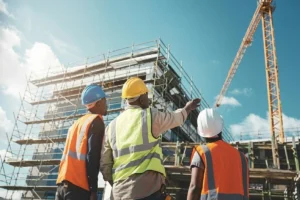





Skilled workers could play an important role as Brisbane prepares for the 2032 Olympic and Paralympic Games.
The Brisbane 2032 Games won’t be built overnight. Years of preparation are needed before the first athletes arrive, and that preparation involves much more than getting sporting venues ready. Construction, infrastructure and development projects can all require people with practical skills to get the work done.
For tradespeople, this raises an interesting question: could Brisbane’s Olympic construction activity create stronger demand for skilled workers?
It could, particularly when several projects are moving forward at the same time.
But not every trade will see the same level of demand. The workers needed can change depending on the type of project and the stage it has reached.
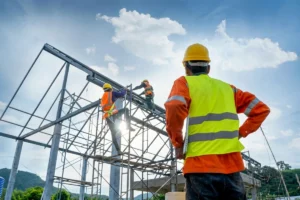
Different Stages Need Different Trades
A construction project doesn’t need the same workforce from beginning to end.
Early work may involve site preparation, excavation, earthmoving and civil construction.
As the project develops, structural and specialist workers may become more involved. Later, the focus can shift toward electrical work, plumbing, painting, installation and other finishing tasks.
So instead of thinking about construction demand as one large wave of hiring, it’s more realistic to think of it as different trades becoming important at different points.
A worker who isn’t needed during one stage could become much more relevant when the project moves forward.

The Work Goes Beyond Sporting Venues
It would be easy to assume that the construction demand will mainly come from Olympic and Paralympic venues.
The bigger picture is broader than that.
A growing city also needs infrastructure and supporting facilities. Depending on the projects underway, construction activity can involve transport, public spaces, utilities, buildings and other improvements.
That means tradespeople don’t necessarily need to work directly on a Games venue to benefit from increased construction activity around Brisbane.
Some opportunities may come from projects that support the wider development of the region.
Several Projects Could Need the Same Workers
One reason demand can increase is simple: different projects can need similar skills at the same time.
Imagine several projects are underway and each requires electricians, plumbers, civil workers or other specialised trades.
Those employers are then looking for skilled workers from the same pool of qualified people.
This doesn’t guarantee higher wages or a job for everyone, but it can create stronger competition between employers for workers who have the experience they need.
The effect may be particularly noticeable in specialised areas where there are fewer qualified workers available.
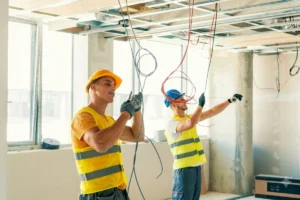
Large Projects Can Require More Than Technical Skills
Working on a major construction project isn’t only about knowing your trade.
Large sites can involve detailed plans, safety requirements, schedules and coordination between many different teams.
Workers need to understand their responsibilities while also working alongside other trades and following site procedures.
For someone building a career in construction, experience in a complex working environment can therefore be useful beyond the project itself.
What matters is being able to show what you actually did and what you learned from the experience.
Demand Can Shift as Projects Progress
Construction demand isn’t fixed.
A project may need a large number of civil workers during one period and then require more specialised trades later.
This can make the timing of recruitment important.
Instead of assuming that all construction jobs will be available at once, workers can pay attention to where projects are in their development.
That may give them a better idea of when their particular trade is likely to be needed.
What Could This Mean for Tradies?
For skilled workers, a period of strong construction activity could mean more projects and more employers to consider.
It could also provide opportunities to gain experience in different types of work.
But it’s important not to treat Brisbane 2032 as a guarantee of employment.
Construction is still influenced by project schedules, budgets, workforce requirements and wider economic conditions.
The best approach is to look at the actual opportunities available rather than assuming every trade will experience the same level of demand.
Keep an Eye on Where Construction Is Happening
Tradies who want to take advantage of future opportunities can start paying attention to the companies and projects active in their area.
You don’t necessarily have to wait for a job advertisement containing the words “Brisbane Olympics.”
A construction company may advertise for a particular trade without mentioning Brisbane 2032 at all.
Following major contractors, infrastructure projects and construction employers can therefore give workers a broader view of where demand is developing.
Frequently Asked Questions
Why could Brisbane 2032 create demand for tradies?
Construction and infrastructure projects can require workers from different trades, particularly when several projects are active at the same time.
Will every trade be in high demand?
No. The need for workers can vary depending on the project, location and stage of construction.
Is the potential demand limited to Olympic venues?
No. Construction connected with wider infrastructure and development can also require skilled workers.
Can demand change during a project?
Yes. Different stages of construction require different types of workers, so demand can shift as a project progresses.
Should tradies wait until 2032 before looking for opportunities?
No. Workers can follow construction companies and projects as they develop and look for relevant opportunities well before the Games begin.
Final Thoughts
The potential construction boom around Brisbane 2032 is about more than building venues.
A major period of development can involve many projects, different stages of construction and a wide range of trades.
That could create stronger demand for some workers, particularly when several projects need similar skills at the same time.
For tradies, the smartest approach is to watch where construction activity is developing, understand when your particular trade is likely to be needed and keep your qualifications and experience up to date.
The opportunity may not always be labelled an “Olympic job.” It could simply be part of the much larger construction activity taking place around Brisbane.