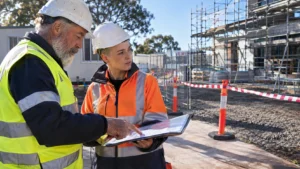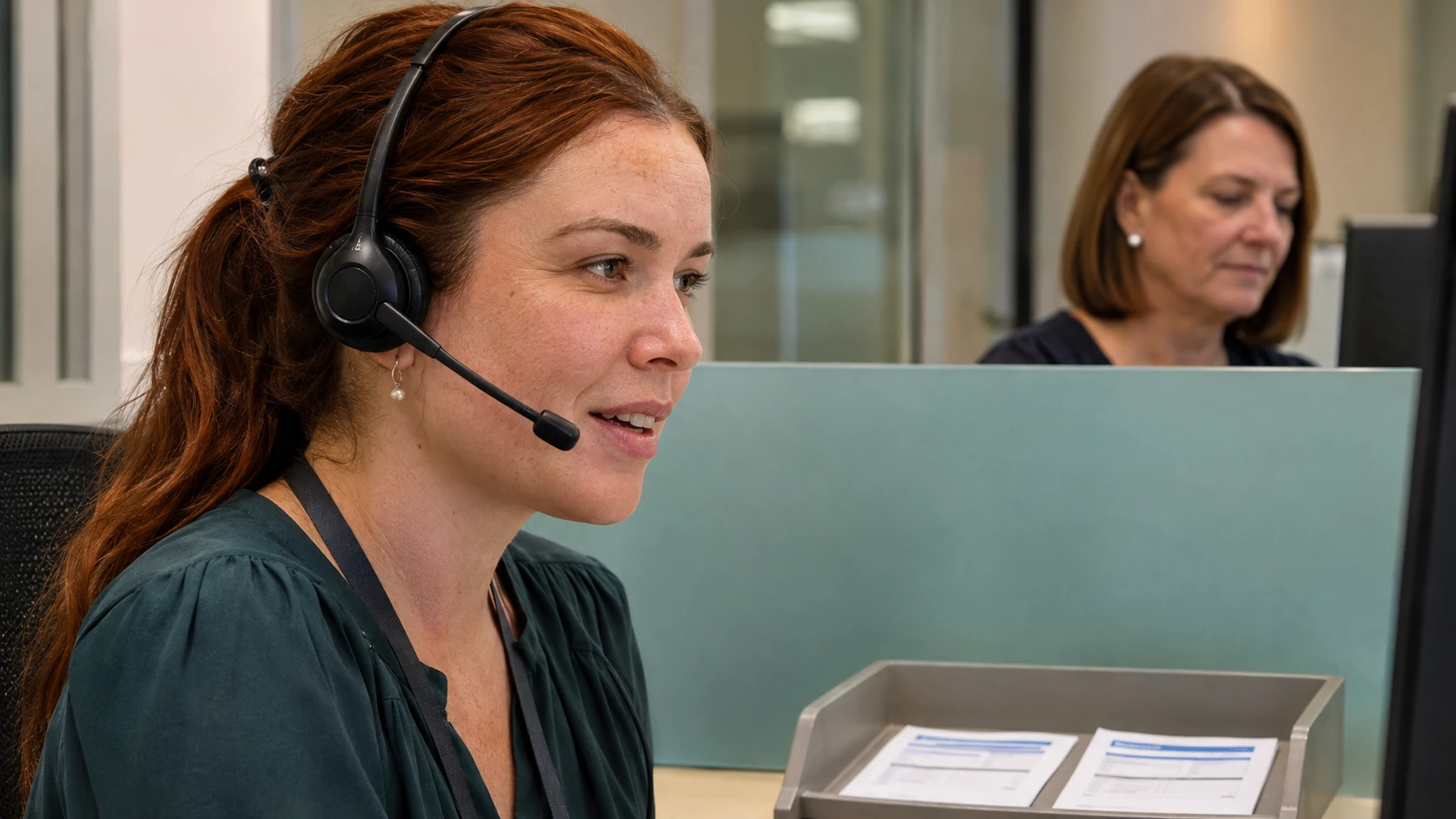
A White Card and a site-specific induction serve different purposes. General construction induction training does not tell you the particular site’s access rules, emergency arrangements, work interfaces or reporting contacts. Before starting, confirm the induction and authorisation requirements for that workplace and task.
Do not assume that holding a general credential means you can enter every area or perform every activity. The site’s actual rules and the work being undertaken still matter.
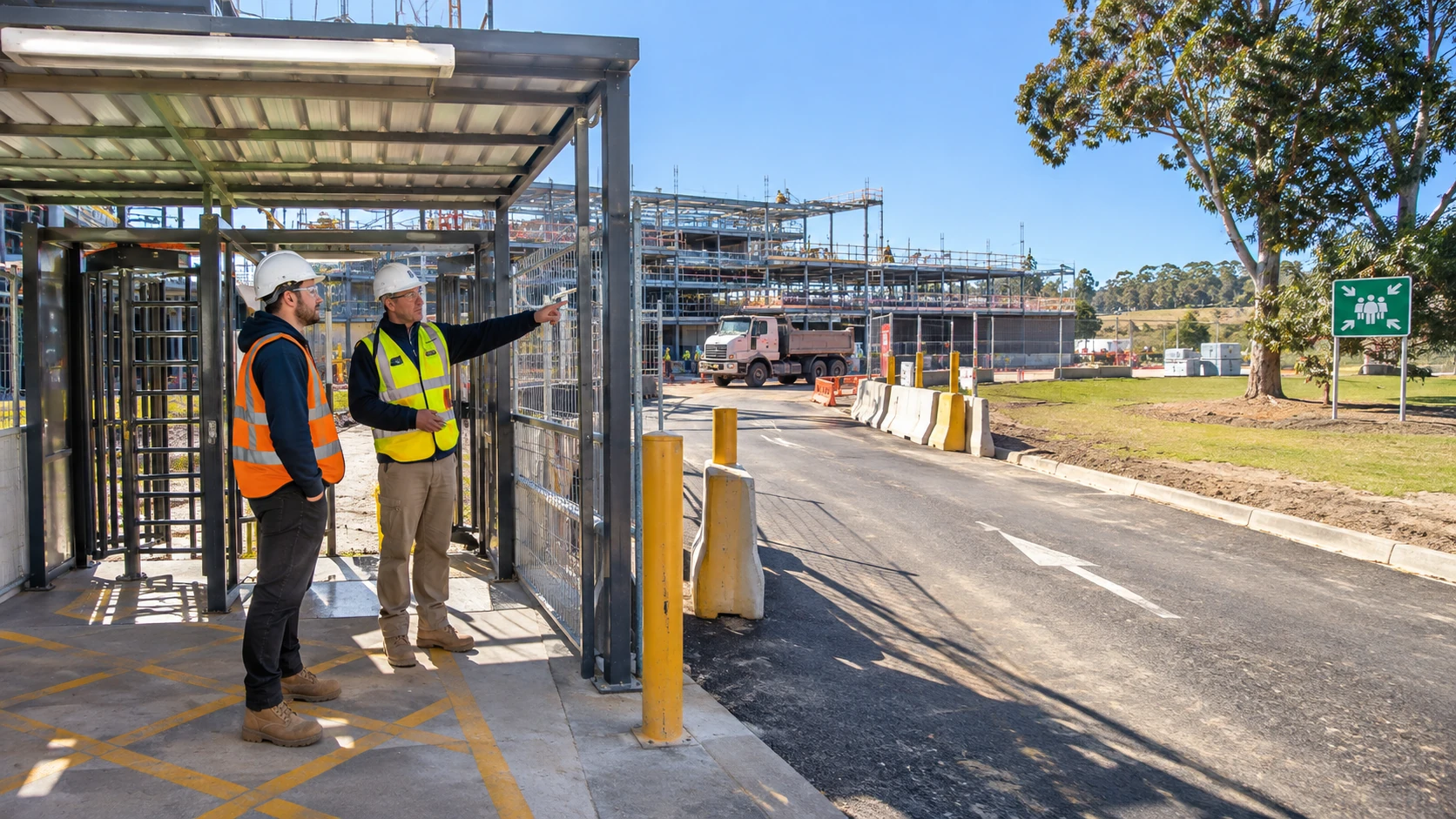
Separate general training from local information
WorkSafe Queensland’s site-specific induction guidance explains the purpose of information about the workplace’s particular procedures, risks and rules. It describes the principal contractor’s responsibilities and the connection with the WHS management plan.
Check the requirements applying to the actual construction setting rather than extending one statement to every housing, visitor or work arrangement. Ask the responsible site contact which process applies to you.
If a licence or qualification is required for a particular activity, keep that evidence separate from the general induction record. Being inducted does not grant an occupational licence or replace task-specific competence and supervision.
Prepare before arrival
Confirm the induction appointment, meeting point, verified site contact and the evidence you need to bring. Ask about any access or communication requirement early enough for arrangements to be made. Do not send identity documents to an unverified contact simply because the message mentions a site.
Allow time for the induction rather than assuming it can be skipped to meet a start time. If the appointment changes, ask who will confirm the authorised next step.
An original induction question list
Use this list to check understanding, not to replace the site’s actual induction:
- Entry: where to report, sign in and obtain any approved access item.
- Work area: permitted locations and restrictions relevant to your role.
- People: supervisor, safety contact and the process for reporting an issue.
- Emergency: how the site communicates an emergency and the instructions you must follow.
- Interfaces: other work, traffic or activities affecting your assigned task.
- Documents: where current relevant instructions and procedures are available.
- Task readiness: training, equipment and supervision still required after induction.
- Change: how updated site information will reach affected workers.
Ask for an explanation if an instruction is unclear. Repeating an unfamiliar phrase is different from understanding how it applies to your work.
A fictional arrival scenario
This original example is invented. Alex arrives with evidence of general construction induction training. The site contact confirms that Alex must complete the local induction and meet the supervisor before beginning the assigned work.
Alex asks where the current reporting contacts and emergency instructions are recorded, then confirms which task-specific checks remain. The scenario illustrates separate steps; it does not approve entry, a work method or a particular task.
Keep the record and revisit changes
Confirm that the appropriate induction record has been made and retain any information the site authorises you to keep. Do not copy restricted site plans or security information into a personal portfolio.
If the work area, task or site conditions change, ask what additional information or induction is required. Our work-licence overview provides broader credential context; site readiness remains specific to the actual workplace and assignment.