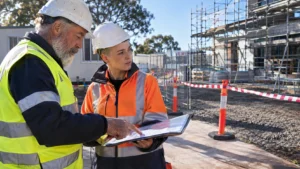
Before work that may generate silica-containing dust, ask what materials and processes are involved, how exposure will be controlled and what information, training and monitoring apply. Do not judge the risk only by visible dust or assume the issue is limited to benchtop work.
This guide is for preparing workplace questions. It does not provide a cutting, cleaning, respiratory-protection or exposure-testing procedure.
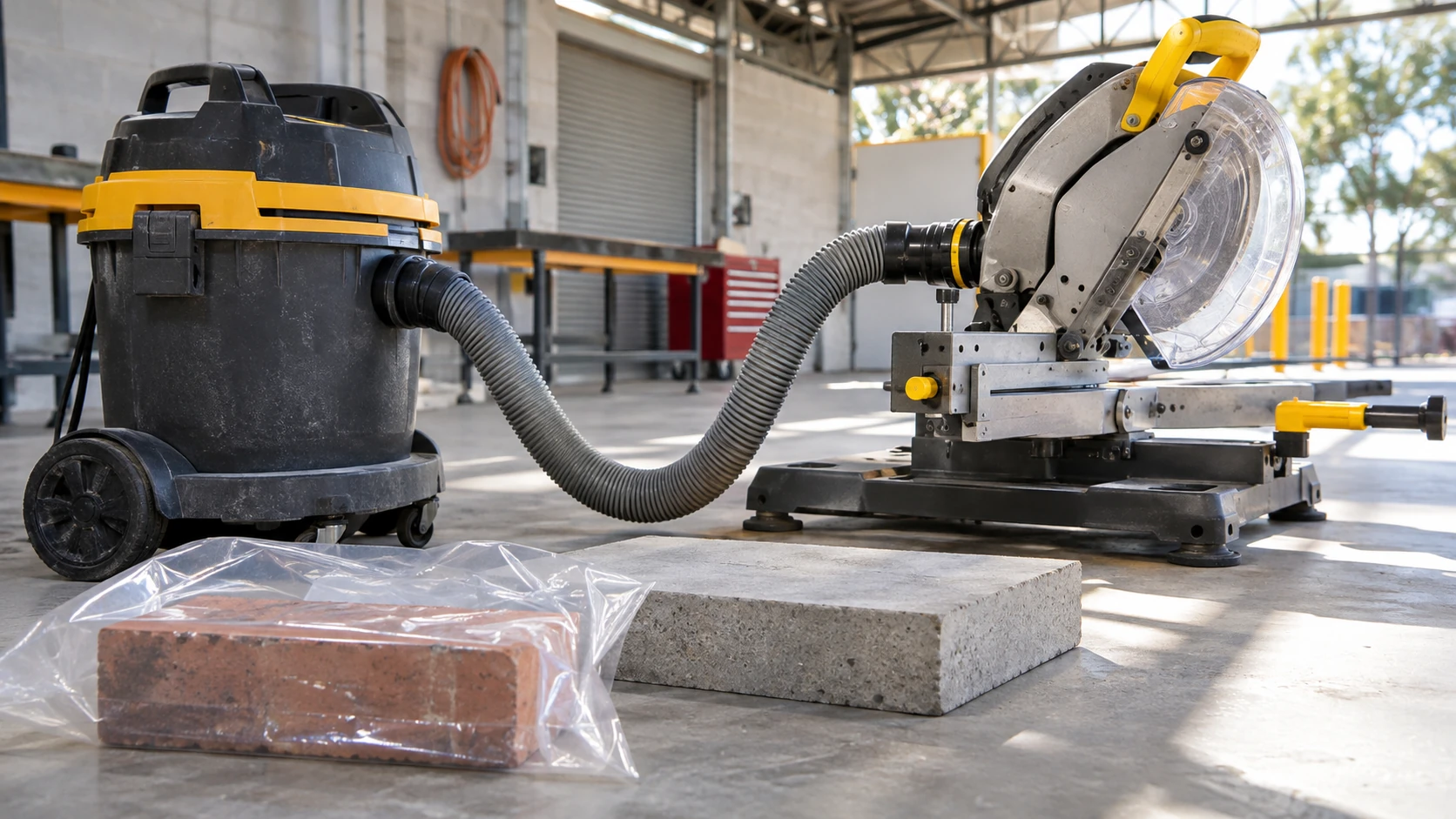
Identify the actual material and task
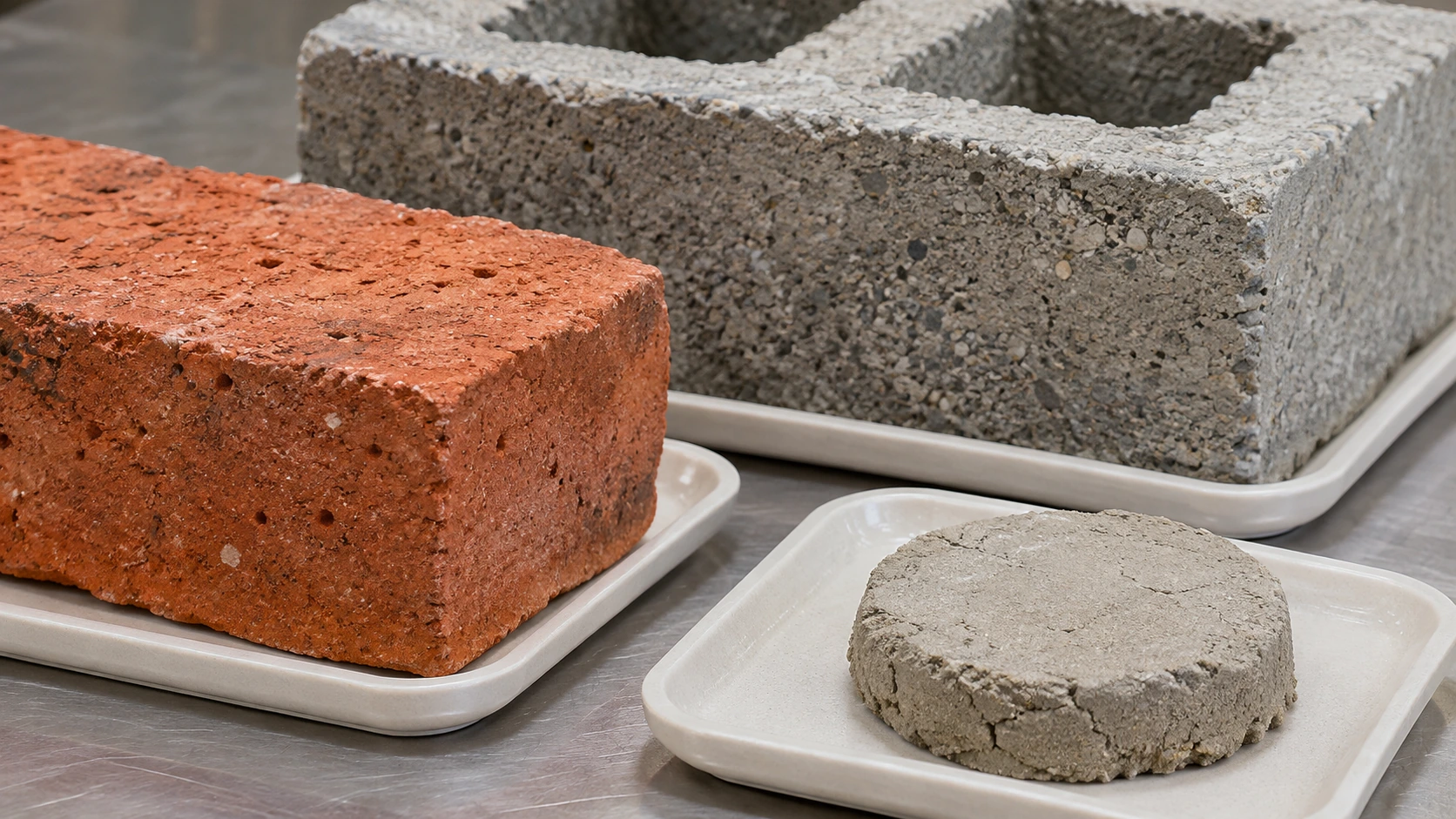
WorkSafe Queensland’s construction-dust guidance explains that crystalline silica occurs in many building materials, including concrete, bricks and mortar. Processing these materials can release respirable crystalline silica. Our Brisbane construction jobs guide can help you distinguish the role and duties being offered, but only the actual task and materials can establish which silica questions the supervisor must resolve.
Ask the responsible person how the material has been identified and which current requirements apply to the proposed work. Product names and broad trade labels do not resolve the exposure question.
WorkSafe’s processing-regulation guidance explains additional duties for crystalline-silica substances. Requirements for a particular material or activity should be checked directly rather than inferred from another job or an old training advertisement.
Ask how exposure is prevented or controlled
The Queensland silica code information addresses controls, exposure information, health monitoring and worker information and supervision.
Ask how those requirements are being applied to the actual task and nearby work. A generic instruction to wear a mask does not establish that an appropriate control system has been selected, implemented or checked.
Do not improvise a cleaning method, alter extraction equipment or select respiratory protection from a general article. Use the authorised task-specific arrangements and appropriately competent advice.
An original pre-task question record
Use this structure to identify what still needs resolving:
- Material: product or substance identified and information supporting that identification.
- Process: proposed work and any nearby activity affecting exposure.
- Applicable requirements: responsible person who has checked the current rules and code.
- Controls: measures specified for the task and who verifies them.
- Training: instruction, competence and supervision required before participation.
- Protection: any respiratory-protection selection, fit or other process required.
- Monitoring: who determines the need for exposure or health monitoring.
- Change: process for reviewing a new material, method or control failure.
- Reporting: contact and immediate action route for an unresolved concern.
This is not a silica control plan or a completed risk assessment.
A fictional change-of-material example
The following original scenario is invented. A team is asked to process a different building product from the one covered in the earlier briefing. A worker identifies the change and asks the supervisor to confirm the material information and applicable control arrangements before the task proceeds.
The worker does not assume the earlier method applies because both products look similar. The responsible people must check the actual material, process and current requirements.
Keep health questions in the right process
If you are concerned about exposure or health, use the workplace reporting process and obtain appropriate professional advice. Do not interpret a symptom, a photograph or a visible-dust observation as an exposure measurement or medical diagnosis.
Record the concern, authorised response and any updated instruction. Revisit the arrangement when work changes, while keeping health information appropriately private and the operational information available to affected workers.