Before paying for working-at-heights training, confirm the actual duties, the employer’s required training evidence and any other competency or licensing requirements. Compare the course and provider against those requirements. A course marketed as a “ticket” is not automatically permission to perform every height-related task.
Training is one part of readiness. The actual workplace still needs appropriate risk controls, equipment, authorisation, supervision and emergency arrangements for the work.
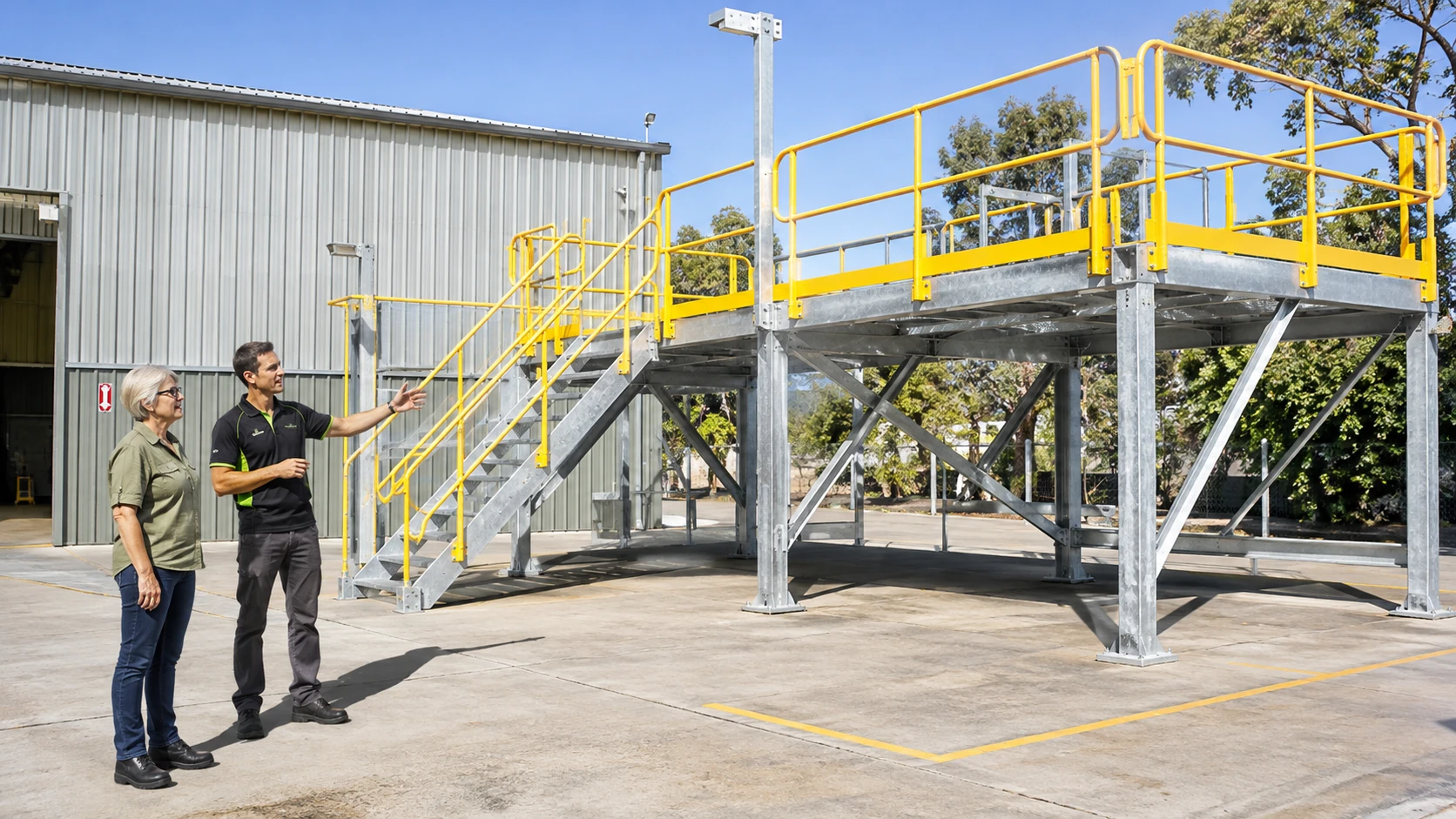
Start with the work, not the advertisement
Ask the employer to identify the work activities and the evidence it requires. Different tasks may involve different equipment and obligations. Do not assume a general course covers scaffolding, elevated work platforms, rope access or another specialist activity.
WorkSafe Queensland’s work-at-heights guidance explains why fall-risk controls depend on the work and circumstances. Lower height does not automatically mean no risk or no controls.
Keep the training decision separate from deciding whether a particular work method is safe. A course brochure cannot supply the site-specific system for an actual task.
Verify what the course delivers
Ask for the exact training product or unit, its current status, the issuing registered training organisation and the assessment arrangements. Check the provider’s relevant scope on the official national training register rather than relying on a logo in an advertisement.
Course names and unit versions can change. Confirm current enrolment and assessment requirements instead of treating an old unit code or another worker’s certificate as proof of what is offered today.
For example, the register lists RIIWHS204 Work safely at heights in the resources and infrastructure training package. That is an example to compare with an employer’s requirement, not a statement that one unit covers every industry, equipment type or task.
Ask about practical assessment, support, prerequisites, equipment, total cost and what happens if further assessment is required. Record the provider’s answer without assuming a very short delivery period guarantees competence.
An original course-comparison worksheet
Use the same fields for each option:
- Employer requirement: exact evidence requested for the actual role.
- Training product: code, title and status checked on the national register.
- Provider: RTO identity and relevant scope verified.
- Delivery: learning, practical assessment and attendance arrangements.
- Support: access needs, prerequisite knowledge and assistance available.
- Evidence issued: document and issuing organisation.
- Cost: written total and any additional assessment or equipment charges.
- Workplace follow-up: induction, authorisation or further task-specific checks still needed.
This worksheet compares evidence. It does not endorse a provider or decide that a course satisfies every legal requirement.
A fictional booking enquiry
The following original message is invented:
“My prospective employer has identified the duties and training evidence it requires. Could you confirm the current unit delivered, the issuing RTO, practical assessment arrangements and total fee? I also need to understand what additional workplace checks remain after the course.”
Do not book on the basis of a promise of guaranteed work, a universal certificate expiry or automatic acceptance by every site. Ask for the source and scope of any such claim.
Check the evidence after completion
Review the issued document, keep it securely and provide it through the employer’s verified process. Describe your competence and experience honestly; completing training is different from having extensive workplace experience.
Our work-licence overview provides broader credential context. The correct next step is to match the actual role’s requirements with verified training evidence and the workplace’s remaining readiness process.