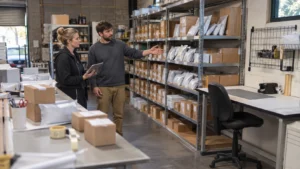




A focused toolbox talk connects one relevant work issue with the people affected, the current controls and clear follow-up actions. Choose a topic linked to actual work, invite questions and check understanding. Reading a generic safety sheet aloud is not enough if the task-specific issue remains unresolved.
A toolbox talk supports communication and consultation. It does not replace required training, authorisation, a risk assessment, a SWMS or the workplace’s emergency process.
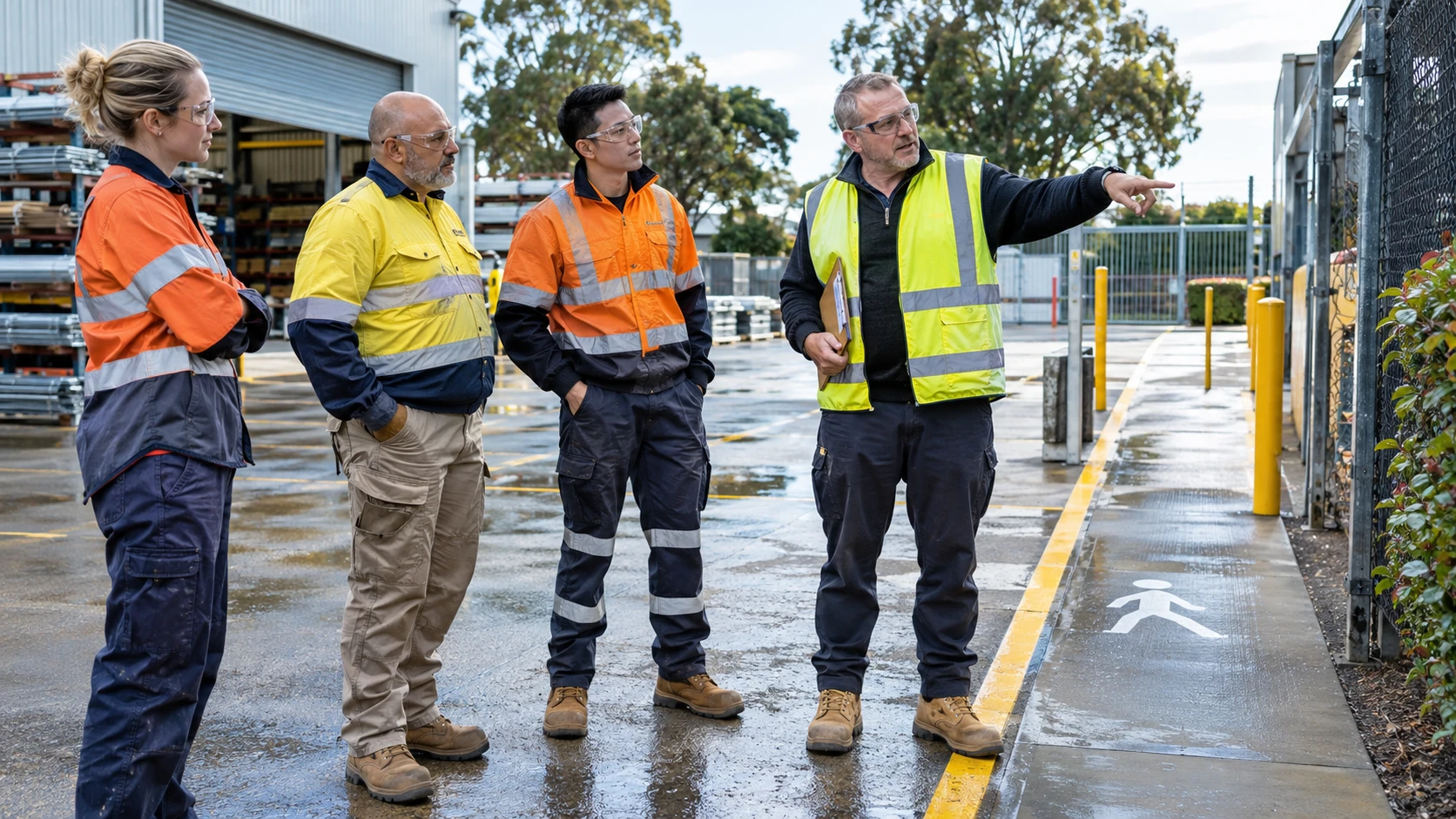
Choose a real topic and an appropriate presenter
Start with a task change, recurring question, observation or relevant incident learning. Confirm that the presenter has the appropriate information and authority to explain the issue. Do not ask an unqualified colleague to improvise technical instructions. For a mixed trades team, use the role distinctions in our Brisbane trades jobs guide to prepare questions about who needs the briefing, while checking actual responsibilities with the supervisor.
WorkSafe Queensland’s SWMS guidance includes toolbox talks among ways relevant information and instruction may be communicated. The information must still relate to the actual work and controls.
If the issue needs a decision before work proceeds, obtain that decision. Do not use a meeting attendance record as a substitute for resolving an unsafe or unclear arrangement.
Use an original short agenda
Adapt this agenda to the workplace and topic:
- Purpose: the work issue and why it matters now.
- Current arrangement: the approved process or control relevant to the issue.
- Change or concern: what has been observed or what will be different.
- Worker input: questions, practical difficulties and information not yet considered.
- Decision: what is confirmed and what must be referred for a decision.
- Actions: responsible person, timing and how the outcome will be communicated.
- Understanding: check that affected workers can explain the relevant next step.
The agenda is a communication aid. It does not supply the technical content or set a universal duration for the talk.
A fictional non-technical example

This original scenario is invented. A team has been receiving inconsistent instructions about where to report equipment defects. The supervisor uses a toolbox talk to identify the approved reporting channel, show where the current contact is recorded and invite workers to explain where the process has been unclear.
An action is assigned to update an out-of-date contact notice. A separate equipment concern is referred through the proper assessment process; the talk does not authorise anyone to repair or keep using defective equipment.
This example shows how a narrow topic can lead to a practical action without turning the meeting into a substitute maintenance procedure.
Make participation possible
Choose a setting where people can hear, understand and ask questions. Consider language, literacy, access and the communication needs of the actual team. A signature does not demonstrate that someone understood an instruction they could not access.
Ask practical checking questions such as “Who will you contact if this happens?” Avoid testing people with technical questions outside the purpose or their role. Arrange further explanation or training where needed.
Record actions and close the loop
Keep an appropriate record of the topic, date, presenter, participation and agreed actions. Record an unresolved question as unresolved, with an owner and follow-up point. Avoid collecting unnecessary private information in an attendance sheet.
At the next suitable opportunity, confirm what changed and whether the original communication problem remains. A completed attendance list is useful evidence of a meeting; the practical outcome is that the team understands the relevant arrangement and knows how outstanding concerns will be resolved.