Broadcast technicians support the equipment and technical processes used to record or transmit programs. Assess a vacancy by its production environment, systems, work pattern and technical responsibility rather than assuming every media role concerns writing or presenting content.
Reliable technical records and communication matter alongside equipment knowledge. A fault report should help the authorised team understand what happened without turning an observation into an unsupported diagnosis.
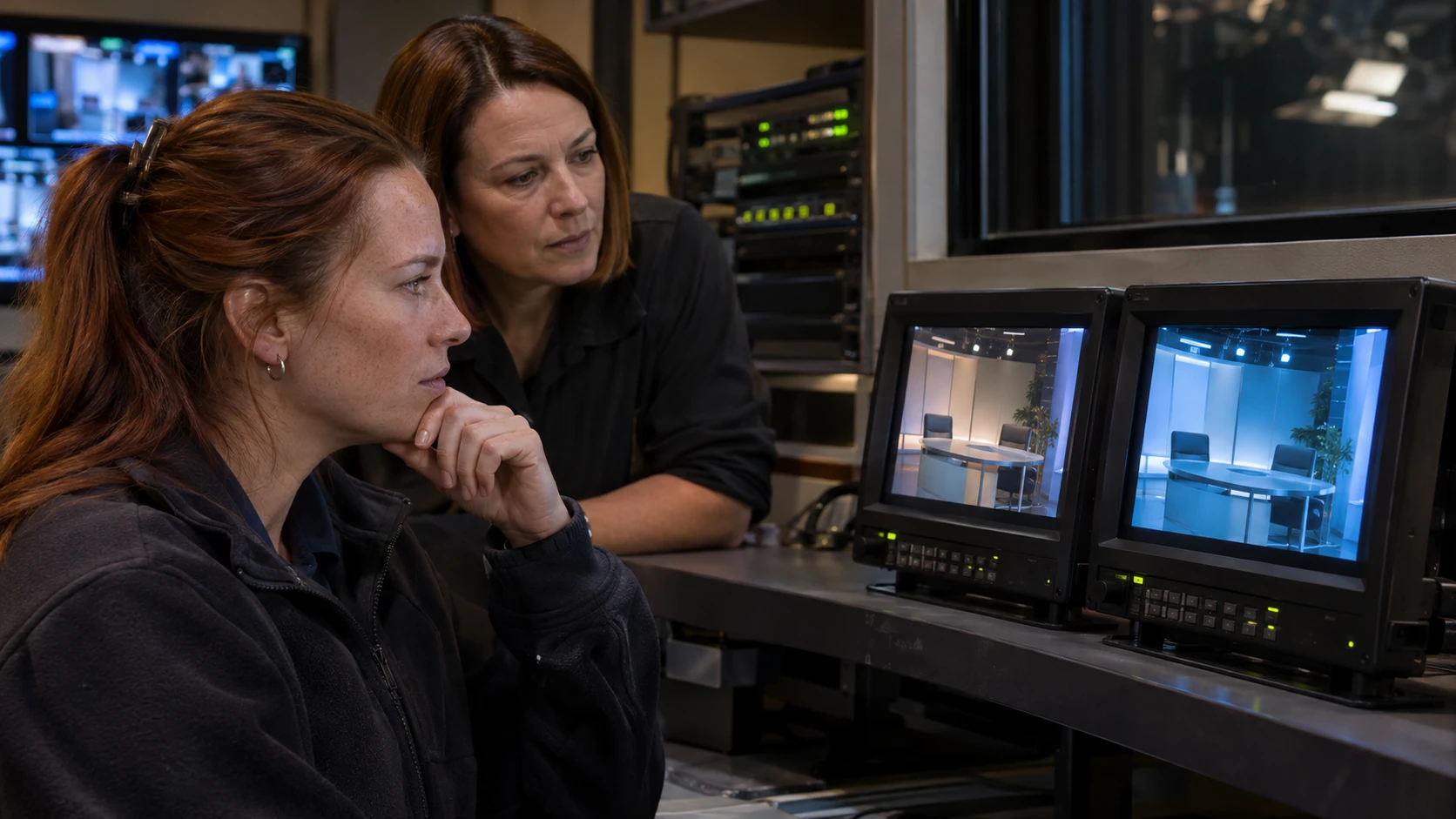
Understand the broadcast responsibilities
The ABS broadcast-technician description covers equipment used in recording and transmission, including coordination and technical records. Actual employers allocate operation, maintenance and support differently.
Check qualifications, required system experience, supervision and any task-specific authorisations. Do not assume familiarity with a consumer recording tool establishes competence for a broadcast workflow.
The existing media and communications guide gives broader sector context; the actual advertisement defines this technical role.
Keep observations and decisions traceable
Identify the time, approved source reference, affected output and observed symptom. Preserve relevant evidence through the organisation’s actual system and respect information-security requirements.
Check who may alter a live arrangement and how the production lead or other technical owner is informed. A technician’s observation may require a decision outside their assigned scope.
This article does not provide transmission, network, electrical or equipment-repair instructions. Use the employer’s approved methods and competent support.
A fictional fault-record exercise
In this invented practice scenario, a monitored output differs from the expected approved feed. The candidate records the relevant time, source reference, expected condition and actual observation under the authorised exercise.
They identify the contact responsible for assessing the issue and record the next instruction. They do not guess a cause, alter a live system or describe the output as restored before the responsible process confirms it.
No actual broadcast, network fault or technical result is claimed by the exercise.
Build a broadcast evidence sheet
For an authorised or fictional example, explain:
- Environment and your actual responsibilities.
- Relevant systems and competence for the work.
- Approved information or production instructions used.
- Technical observations and records maintained.
- Communication with the responsible operational contacts.
- Changes or uncertainty referred through the actual process.
- Supported outcome and review arrangement.
Protect unreleased content, credentials, technical layouts and client information. Obtain appropriate permission before using recordings or screenshots and distinguish practice work from professional delivery.
Ask about operational support
Clarify shifts, preparation, live responsibilities, maintenance boundaries and backup arrangements. Check how new staff are introduced to the systems and how competence is assessed for unfamiliar duties.
If the role includes regulated electrical or other specialist activity, verify the relevant requirements through the appropriate authority. An occupation description alone cannot determine individual permission.
A strong application shows how you supported technical reliability through specific knowledge, accurate records and clear escalation. It gives the employer evidence of your contribution without turning a broad media title or an attended production into a claim of independent responsibility for every system.