







An electrician job advertisement may look suitable until you reach a duty that requires a different licence, specialist experience or additional training. Before applying, check whether your qualifications and experience match the work the employer expects you to perform.
Electrician roles in Queensland can involve electrical installation, maintenance, equipment repair, overhead lines and specialist cable work. Although these jobs fall within the electrical industry, they do not all have the same licensing requirements.
Understanding the differences can help you choose suitable vacancies, explain your experience accurately and avoid claiming skills or authorisation you do not have. People exploring electrician jobs in Brisbane should understand the licence requirements, work settings and experience expected by Queensland employers.
Understand the Different Types of Electrician Roles
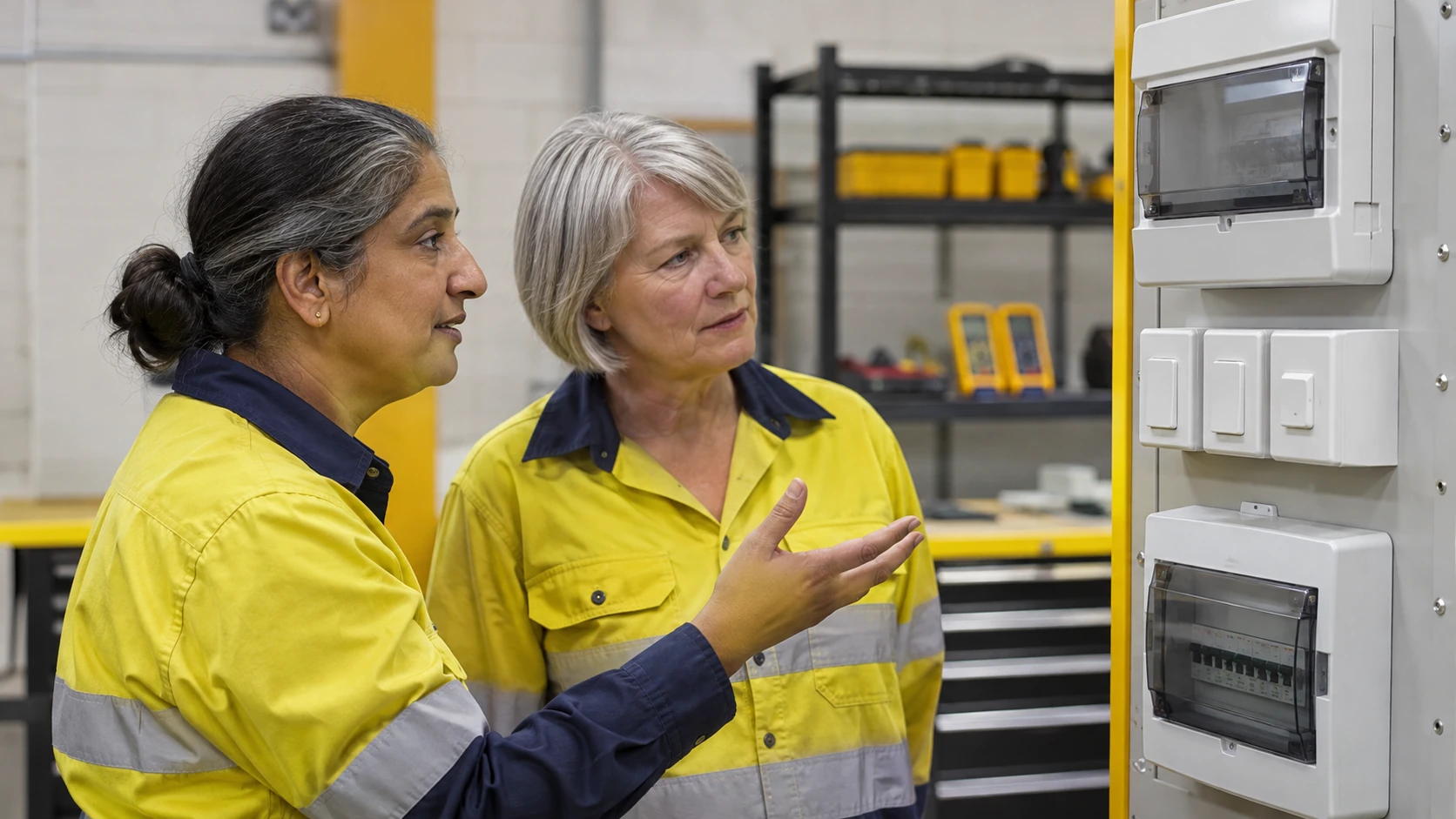
Electricians can work across several industries and environments. The responsibilities vary based on the employer, project requirements and electrical systems being handled.
Common work settings include:
Construction and installation
Construction electricians can be involved in residential, commercial and infrastructure projects, carrying out electrical installations, fitting equipment and coordinating with other construction trades.
Maintenance and service
Maintenance electricians are responsible for ensuring that electrical systems and equipment remain in proper working condition. Their work may involve scheduled maintenance, inspections, fault reporting and responding to service requests.
Industrial electrical work
Industrial electricians work in environments such as factories, manufacturing facilities and processing plants. Their work may involve handling industrial machinery, motors, control systems and various electrical equipment.
Electrical lines and infrastructure
Linespersons work with electrical distribution infrastructure, including overhead power lines and related equipment. These positions have specialist licensing and training requirements.
Specialist electrical equipment work
Some roles focus on equipment repair, motor work, switchboards or cable jointing. Certain duties may require workers to hold a specific class of electrical work licence.
The ABS occupation classification for general electricians provides further information about the occupation. However, reviewing the actual job advertisement is the best way to understand the responsibilities and experience expected for a particular position.
Check the Electrical Licence Requirements in Queensland
Before applying for electrician jobs in Brisbane or elsewhere in Queensland, check the licence requirements for the advertised duties.
The Queensland Electrical Safety Office recognises different classes of electrical work licences. These include:
| Licence class | General scope |
|---|---|
| Electrical mechanic | General electrical work, including installation and repair within the licence scope |
| Electrical fitter | Electrical equipment work, including motor and switchboard work |
| Electrical linesperson | Electrical line work and related infrastructure |
| Electrical jointer | Specialist electrical cable jointing and termination |
| Restricted electrical work licence | Specific electrical work connected to another trade or occupation |
| Electrical work training permit | Specified electrical work under training and supervision conditions |
These categories are not interchangeable. For example, a restricted electrical work licence does not authorise general electrical installation work.
Check the official Queensland electrical licence classes to understand the work permitted under each category.
You can also refer to the Electrical Safety Office’s licensing information for details on applications, renewals and other licence requirements.
Remember that an electrical worker licence and an electrical contractor licence serve different purposes. A worker’s licence relates to the electrical work they are authorised to perform. Businesses carrying out electrical work for others may also need an electrical contractor licence.
Understand Apprenticeships and Training Permits
Not everyone in the electrical industry holds the same type of licence or level of authorisation.
Electrical apprentices gain experience through structured training and supervised workplace activities. Their permitted work depends on their training, competence, supervision and applicable requirements.
An electrical work training permit is not the same as a full electrical work licence. It permits certain electrical tasks to be performed under specific conditions and appropriate supervision.
If you are applying for an apprenticeship or an entry-level electrical position, check whether the employer expects an apprentice, a training permit holder or a fully licensed electrical worker.
For more information, read WorkSafe Queensland’s guidance on electrical apprentices and trainees.
Compare the Job Duties With Your Actual Experience
A job title alone does not tell you whether a vacancy matches your background. Read the responsibilities carefully and identify the work you have actually performed.
For example, a maintenance electrician vacancy may request experience with industrial equipment, while another position may focus on commercial installation.
Compare the advertisement with your experience by checking:
The types of electrical systems and equipment you have experience working with.
The type of installation, maintenance or repair work you have performed.
Your level of responsibility on previous projects.
The qualifications, licences and training relevant to the role.
Any specialist experience requested by the employer.
If the advertisement includes duties outside your experience, do not automatically claim that you can perform them. Ask the employer for clarification about the expected responsibilities and required authorisation.
Show Relevant Evidence in Your Job Application
Employers need more than a list of technical skills. They need to know the tasks you have handled and how your experience matches the requirements of the position.
For example, instead of writing:
“Experienced in electrical maintenance and equipment repairs.”
You could provide a more specific description:
“Assisted with scheduled maintenance activities in a manufacturing environment, documented equipment issues and reported maintenance requirements to the supervising electrician.”
Only use examples that accurately reflect your own work and level of responsibility.
Useful supporting evidence may include:
Current electrical worker licence details.
Relevant qualifications and training records.
Employment history and project experience.
Records of completed workplace training.
References from previous supervisors or employers.
Examples of responsibilities you can discuss during an interview.
Do not include confidential customer information, sensitive electrical diagrams or restricted workplace records in your application. Describe your experience without exposing information that belongs to your employer.
Ask Questions About Duties and Workplace Conditions
Some job advertisements do not explain every responsibility in detail. Before accepting an offer, clarify anything that could affect your ability to perform the role.
Useful questions include:
What type of electrical systems and equipment will I work with?
Is the position mainly installation, maintenance or service work?
What licence class is required for the advertised duties?
Is specialist training or additional experience expected?
What supervision and technical support are available?
Are after-hours call-outs or regional travel part of the position?
What tools, equipment and site inductions are provided?
These questions help you understand the position beyond its job title. They also give the employer an opportunity to explain any additional requirements.
Check Interstate and Overseas Qualifications
If you gained your electrical qualifications or licence outside Queensland, check the recognition requirements before assuming you can perform the advertised work.
Current interstate and New Zealand electrical work licence holders may apply for a Queensland licence under the relevant mutual recognition arrangements. The application process may require details of the existing licence, including any conditions or restrictions.
For overseas qualifications, check the applicable assessment and licensing pathway. Completing a course or having previous electrical work experience does not automatically establish permission to perform electrical work in Queensland.
Visit WorkSafe Queensland’s guidance for interstate and New Zealand electrical work licence holders for further information.
Prepare for Electrician Jobs in Brisbane
Finding a suitable electrical position involves more than matching your job title with an advertisement. You need to understand the duties, check the relevant licence requirements and provide evidence of your actual experience. When applying for electrician jobs in Brisbane, highlight your current licence, relevant training and practical experience that match the advertised duties.
If you are exploring trade opportunities connected to Brisbane’s major construction and infrastructure projects, read our Brisbane Olympics Jobs for Tradies guide for broader information about trade roles and job preparation.
Before submitting an application, make sure your licence details are accurate, your experience matches the advertised responsibilities and any questions about the work have been clarified.
A strong application does not claim to cover every electrical task. It shows employers exactly what you are qualified, authorised and experienced to do.