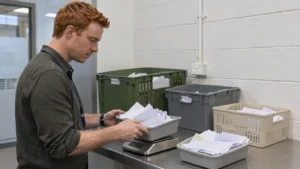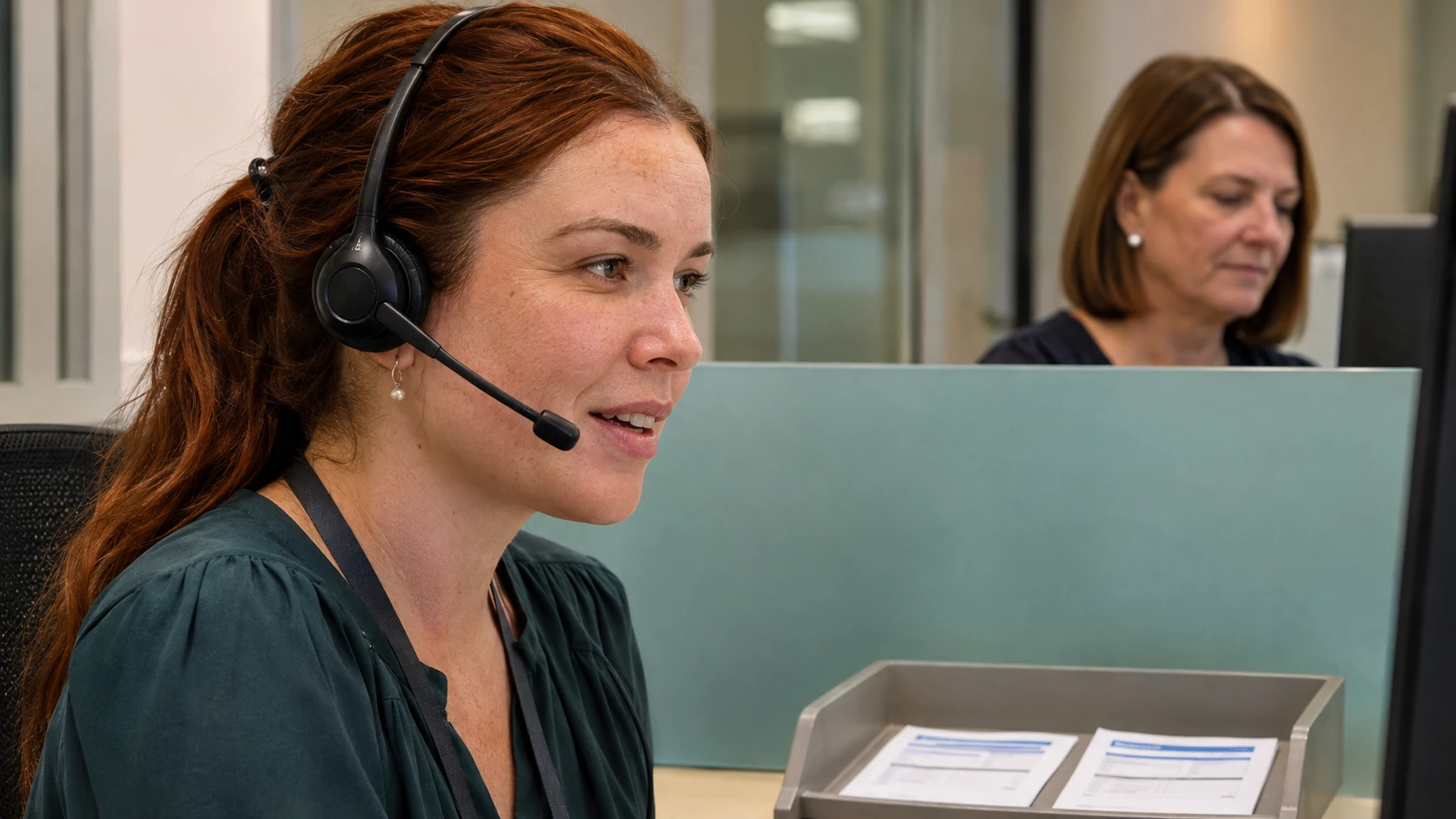


An environmental advisor helps an organisation understand relevant environmental requirements, coordinate evidence and respond to issues through the appropriate people. Assess the actual role scope, project conditions and specialist responsibilities before treating the title as a single standard job.
The work can involve field information, approvals-related records, reporting and advice, but a general career guide cannot determine compliance for a particular project or activity.
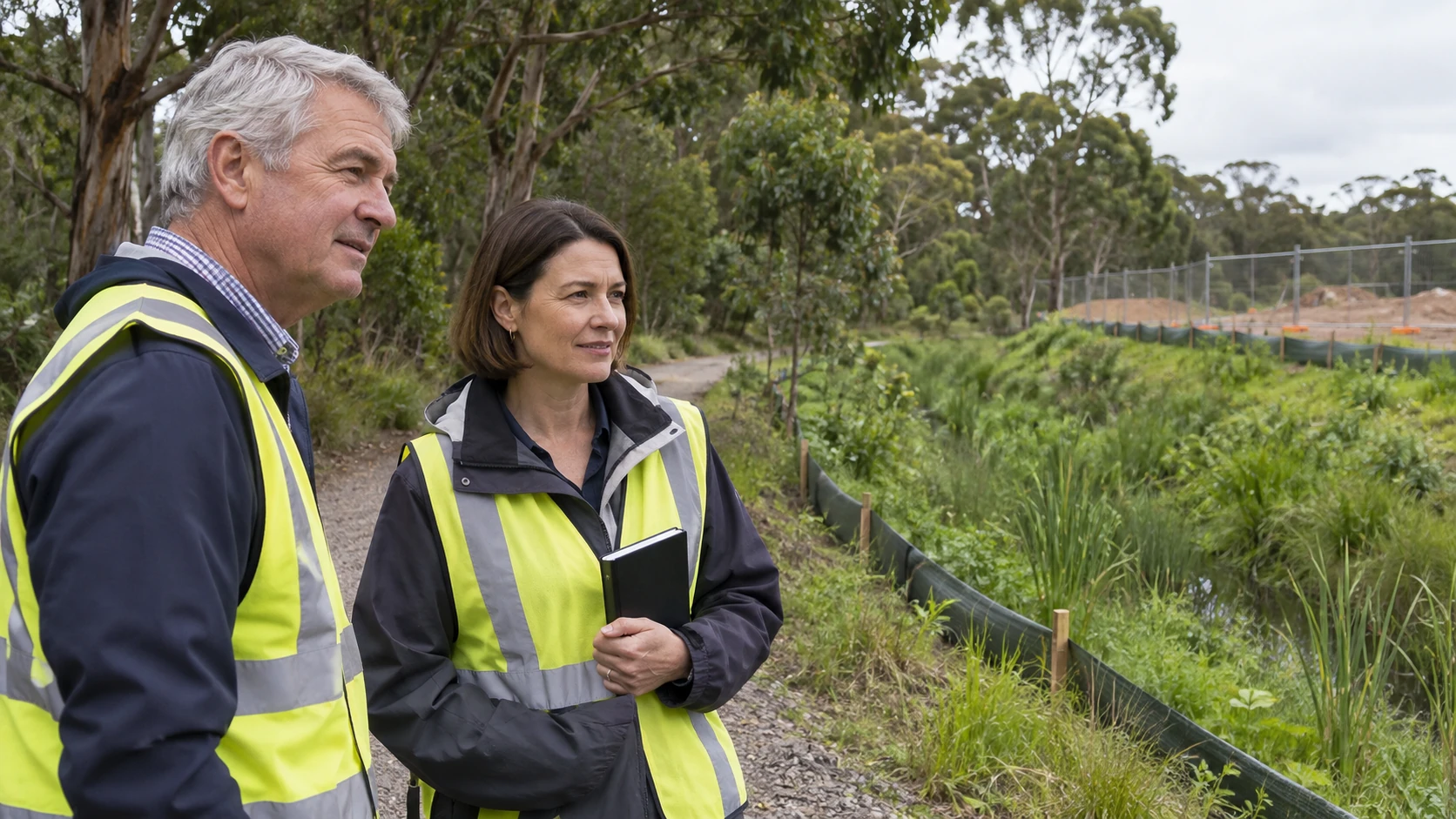
Understand the advisory work
The ABS environmental-consultant description includes environmental advice and related assessment work. Environmental adviser is among its associated role descriptions.
Read the vacancy for the actual discipline, qualifications, field experience and reporting duties. Roles involving specialist assessment, sampling or professional advice need the relevant competence and any applicable authorisation.
Ask which work you would perform, which evidence you would coordinate and who makes the technical or statutory decision. Administrative follow-up is different from certifying that a condition is satisfied.
Follow the requirement to its evidence
Identify the actual approval, plan or other requirement and the current version. Check what information is required, who obtains it and how it is reviewed.
Do not replace a specific condition with a general statement that the project is sustainable or environmentally friendly. Such a claim may conceal unanswered questions about scope, monitoring or records.
If a result or observation raises an issue, follow the actual reporting and response process. A routine register should not delay a required incident or specialist response.
A fictional evidence exercise
In this invented project example, a condition-check worksheet identifies a required inspection record and its responsible reviewer. The coordinator finds that a document is present but refers to an earlier work area.
They record the mismatch, current requirement and question for the responsible person. They do not mark the condition complete merely because the folder contains an inspection file.
The exercise makes no environmental finding, describes no actual site and provides no sampling or control procedure. It tests traceability and escalation of an evidence gap.
Prepare a role-specific evidence brief
For an appropriate example, explain:
- Context: activity and your actual environmental responsibility.
- Requirement: approved source and scope relevant to the task.
- Information: records or observations you coordinated within competence.
- Check: currency, identity and completeness review performed.
- Issue: factual gap or question identified.
- Referral: specialist or authorised reviewer involved.
- Result: documented contribution and supported outcome.
Keep confidential site, personal and commercial information protected. Use fictional or authorised material and avoid inventing environmental improvements or compliance outcomes.
Ask about governance and support
Clarify reporting lines, access to specialists, site arrangements and how changes to requirements are communicated. Check whether the employer expects experience with a particular regulatory context and verify any unclear qualification or registration requirement.
The existing construction roles guide provides broader sector context without establishing a vacancy or project relationship.
A strong environmental-advisor application shows how you connected the right requirement with reliable evidence and appropriate review, preserving uncertainty where a competent decision was still needed.