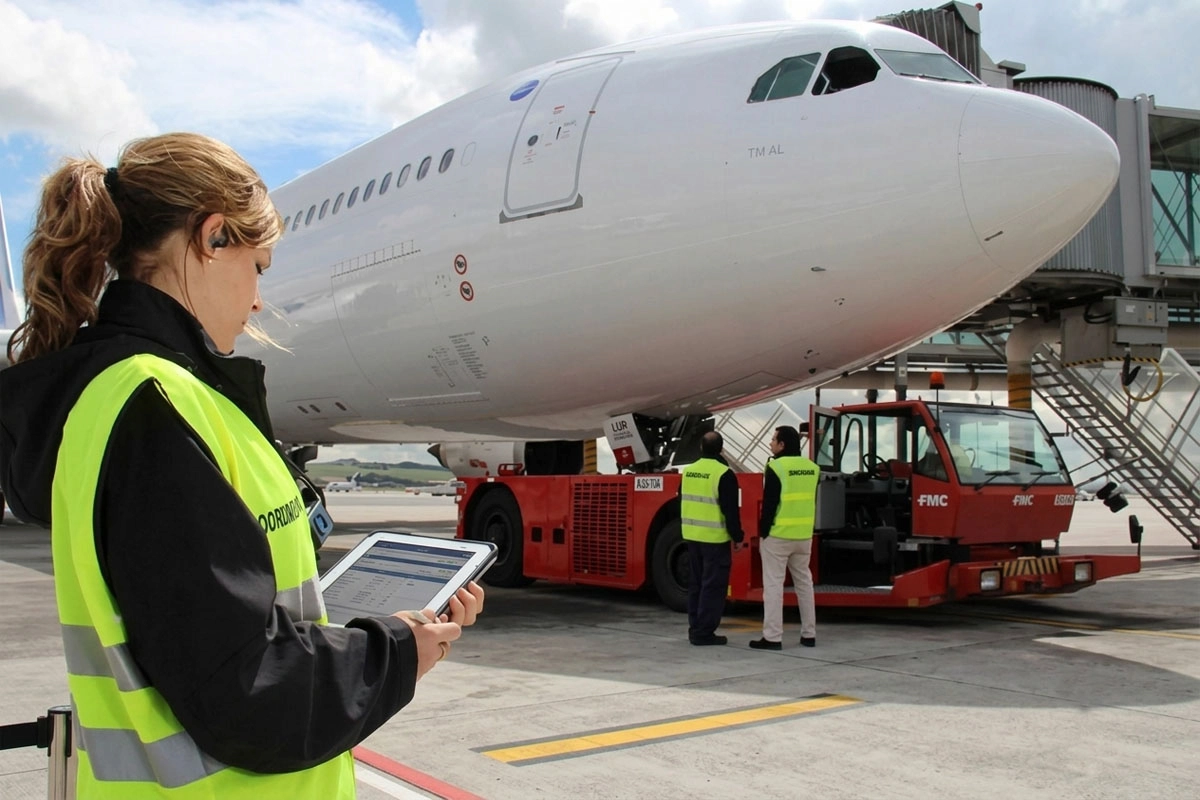
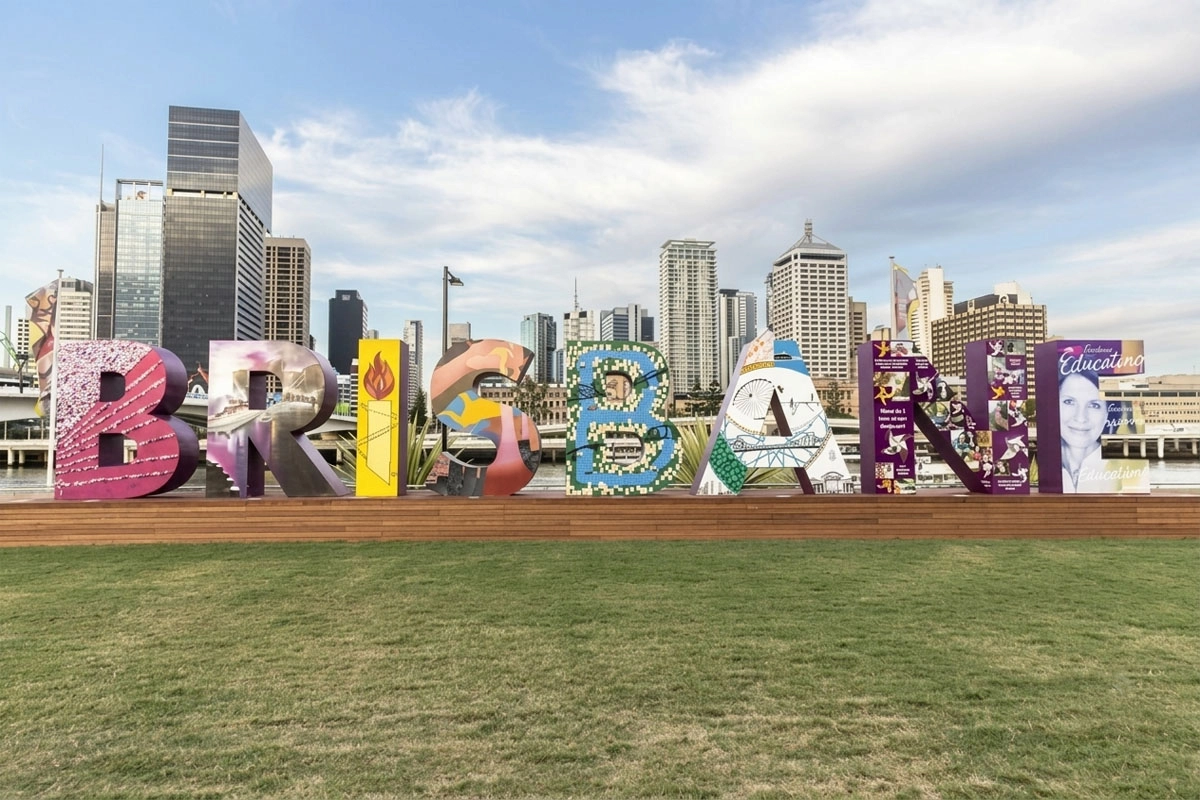
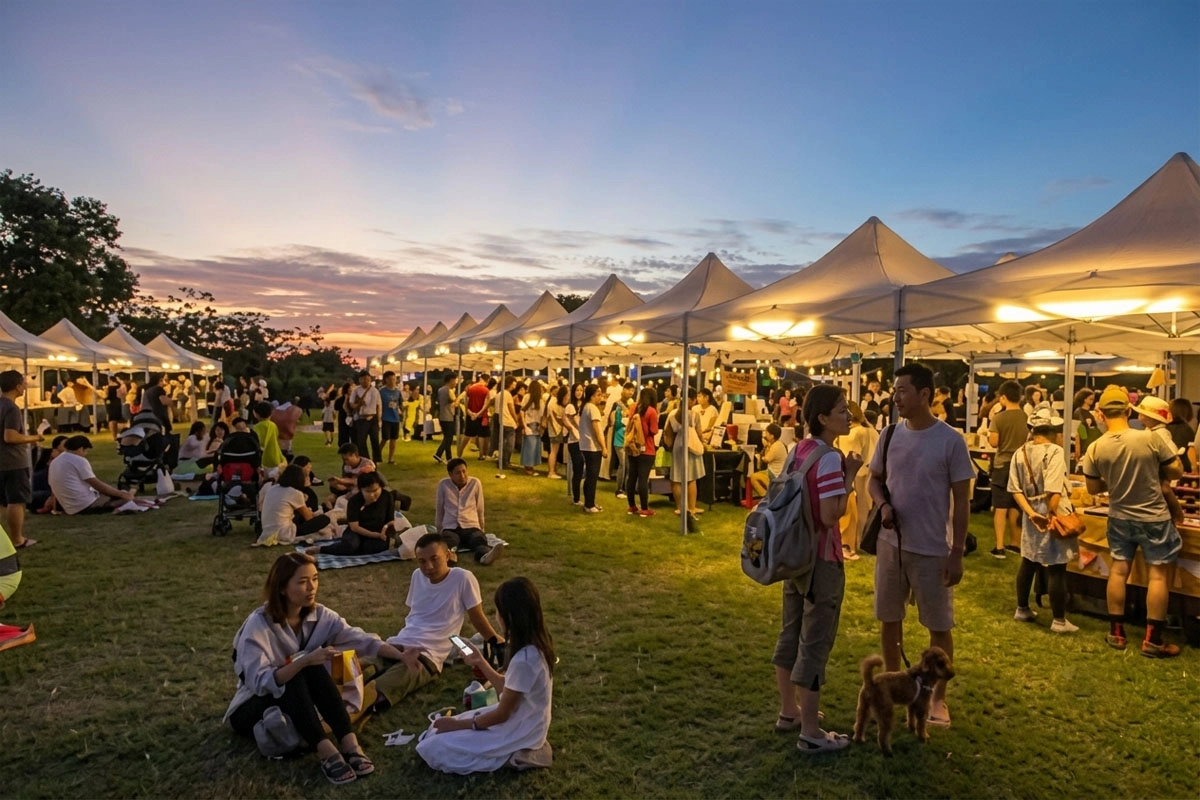
Watching a major sporting event from the crowd can make everything look effortless. People arrive, find their seats, watch the competition and eventually head home. Behind that experience, however, is a much larger operation involving people who have been working long before the gates open and may still be busy after the last visitor leaves.
This is an often-overlooked aspect of event work. For people considering event work Brisbane, understanding what happens behind the scenes can be just as important as knowing what positions are available. The experience can be exciting, but it can also involve long periods on your feet, changing schedules, repetitive tasks, large crowds and the pressure to keep things moving.
With Brisbane preparing for the 2032 Olympic and Paralympic Games, more people may become interested in working around major events. But before thinking about an Olympic role, it is worth understanding what event work is actually like.
What Event Work Brisbane Can Actually Involve
Event work is much broader than standing inside a venue while something important is happening. Depending on the role, event work Brisbane can involve venue preparation, visitor assistance and behind-the-scenes operations.
A shift could involve helping prepare a venue, checking areas, assisting visitors, providing information, supporting event operations or helping maintain an organised environment. Once the event is underway, the focus can change quickly. A worker might spend part of a shift helping people find the right area and another part dealing with queues, changes or requests from the public.
Then there is the work that spectators rarely notice. Venues may need to be reset, equipment moved, areas cleaned or prepared for another session. An event that looks finished to the public may still require hours of work behind the scenes.
This is why event work Brisbane should not be viewed as one particular type of job. The work can change considerably depending on the venue, event, employer and responsibilities involved.
The Reality of Casual Event Work
Casual event work can be attractive because it may offer flexibility that a traditional full-time position does not. Some people use it to earn additional income, while others use it to gain experience in busy workplaces without committing to a permanent role.
For people considering event work Brisbane, casual positions can provide practical experience in customer service, venue operations and crowd support.
The trade-off is that event schedules are not always predictable. Work may be concentrated around particular events, with shifts falling on evenings or weekends depending on what is taking place. Some events may require early starts, while others continue into the evening.
That means casual event work can suit someone who is comfortable with changing schedules, but it may be less suitable for someone who needs the same working hours every week.
It is also important to read the employment arrangements carefully. A position advertised as event work does not automatically mean every role has the same hours, conditions or employment status. The actual job description and employment terms matter.

What Changes When the Event Gets Bigger?
There is a noticeable difference between helping at a small community event and working as part of a large-scale operation.
As an event grows, more people become dependent on one another. One team may need information from another before it can complete its task. A change in one area can affect what happens somewhere else. Even relatively simple responsibilities can become more important when thousands of people are moving through the same environment.
Managing large crowds also depends on coordinated movement around venues, making traffic management jobs behind the scenes at Brisbane 2032] another relevant area to understand.
This is where communication becomes especially important.
Workers need to know who they are reporting to, what procedures apply and what to do when something does not go according to plan. Being able to stay calm and communicate clearly can be more useful than simply knowing how to perform a routine task.
Large events also leave less room for casually changing the schedule. When thousands of people, staff, suppliers and other teams are involved, timing becomes part of the job.
What It Is Really Like Working at the Olympics
The idea of having a job at the Olympics sounds exciting, and it certainly can be a memorable experience. Previous experience in event work Brisbane can help workers understand the demands of large venues, including teamwork, communication and changing schedules. However, working at an event of this scale may be more routine in some ways than people imagine.
Not every shift will involve being close to the action. Some workers may spend much of their time performing routine operational duties. Others may be dealing with visitors, supporting teams, managing specific areas or completing tasks that spectators never see.
The schedule can also be different from a normal working week. Depending on the role, event operations may require early starts, late finishes, weekends or other shifts that match the event timetable.
There is also the pressure that comes with working in a busy environment. If something changes, workers may need to respond quickly while continuing to deal with the people around them. A visitor may not know that a particular problem is affecting several teams behind the scenes. From their perspective, they simply need an answer.
That can make patience and communication important parts of working at the Olympics.
The Work Behind the Scenes People Never See
The most visible part of a major sporting event is what happens in front of the audience. The less visible part is everything required to make that experience possible.
Before an event begins, teams may be preparing spaces, checking equipment, organising information and making sure different areas are ready. During the event, workers may support the flow of people and respond to operational issues. Afterward, the work can continue with cleaning, resetting areas, moving equipment and preparing for whatever comes next.
Some of this work can be repetitive.
A worker might perform the same task several times during a shift because consistency matters. It may not feel particularly exciting, but routine is often what keeps a large operation functioning properly.
This is an important reality for anyone considering working at the Olympics. The experience is not necessarily about constantly being surrounded by excitement. Much of it is about doing ordinary work reliably within an extraordinary environment.

What Makes Someone Good at Event Work?
Experience can certainly help, but event work also requires qualities that are difficult to learn from a job description.
Reliability is one of them. If someone is expected to start at a particular time, arriving prepared and ready to work matters because other people may be depending on them.
Communication is another. Event environments can change quickly, and workers need to understand instructions, pass on information and ask questions when something is unclear.
Being comfortable with people is useful as well. Large events can bring together visitors who are excited, confused, tired or frustrated. A worker may have to deal with all of them during the same shift.
Adaptability matters too. A plan may look straightforward at the beginning of the day and change once the event is underway. Someone who can adjust without becoming overwhelmed can be valuable in that environment.
Perhaps most importantly, workers need to understand that not every task will be interesting. Being willing to complete routine responsibilities properly is part of working in a professional event environment.
Why Casual Event Work Can Be Useful Before Brisbane 2032
Someone interested in a job at the Olympics does not necessarily need to wait until 2032 to gain event experience. Gaining experience through event work Brisbane opportunities can help applicants build confidence before pursuing roles connected to larger sporting events.
Brisbane and the surrounding region already host different types of events, including sporting competitions, festivals, concerts, conferences and community activities. These environments can provide an opportunity to understand what event work actually feels like.
Working at smaller events can teach practical lessons that are difficult to learn by simply reading about the industry. You may discover whether you enjoy working with large groups of people, whether you are comfortable standing for long periods, how you handle busy periods and how well you work when several things need attention at once.
It can also help someone understand the less glamorous side of event operations, including preparation, repetitive tasks, changing schedules and pack-down work.
The experience does not guarantee a future Olympic position, but it can give a person a clearer idea of whether this type of work suits them.
What to Know Before Applying for Event Work Brisbane
Before accepting an event position, it is worth looking beyond the event name. When comparing event work Brisbane opportunities, consider the responsibilities, location, expected hours and employment conditions before accepting a position.
Check the expected working hours and whether the position requires evening or weekend availability. Look at where the venue is located and consider how you will travel there, particularly if the shift starts early or finishes late.
Read the duties carefully as well. An event position can involve much more than interacting with visitors. Some roles may include preparation, cleaning, equipment handling, administration or other operational responsibilities.
It is also worth understanding the employment arrangement before accepting an offer. Casual, temporary and other forms of employment can have different conditions, so the actual terms of the position should be clear.
Most importantly, consider whether you are comfortable with the reality of the work rather than simply the excitement surrounding the event.
The Experience May Matter More Than the Event Name
Working at a famous event can look impressive on a résumé, but the real value of the experience comes from what you learn while doing the job.
Someone who has worked in a busy event environment may have experience dealing with large crowds, following procedures, communicating with different teams, working to fixed schedules and responding when plans change.
Those skills do not disappear when the event ends.
The same experience can be useful in other event environments and in workplaces where coordination, customer interaction and time-sensitive work are important. In that sense, casual event work can be more than a short-term opportunity.
For some workers, experience gained through short-term roles can also become a stepping stone towards temporary work opportunities that turn into long-term careers].
Event Work Is More Than Being Part of the Crowd
The excitement of a major sporting event is real, but the people working behind it experience something very different from the spectators.
They see the preparation, the repetition, the busy periods, the unexpected problems and the work that continues after the crowd has gone home. They are part of the operation that allows the event to happen, rather than simply watching it happen.
For anyone considering event work Brisbane, that reality is worth understanding early. The work may not always be glamorous, and it may not always follow a predictable schedule, but it can provide practical experience in a fast-moving environment.
By the time Brisbane 2032 arrives, people who have already experienced event work may have a much clearer understanding of what it takes to work behind a major event. And sometimes, knowing what the job is really like is just as valuable as getting the opportunity itself.