



Lift-mechanic roles involve specialist equipment and responsibilities that need a precise match with qualifications, licences and competence. Assess the vacancy by the actual passenger, freight, escalator or related systems and duties included.
This guide supports career evidence and scope questions. It does not provide access, isolation, adjustment, rescue, testing or repair instructions.
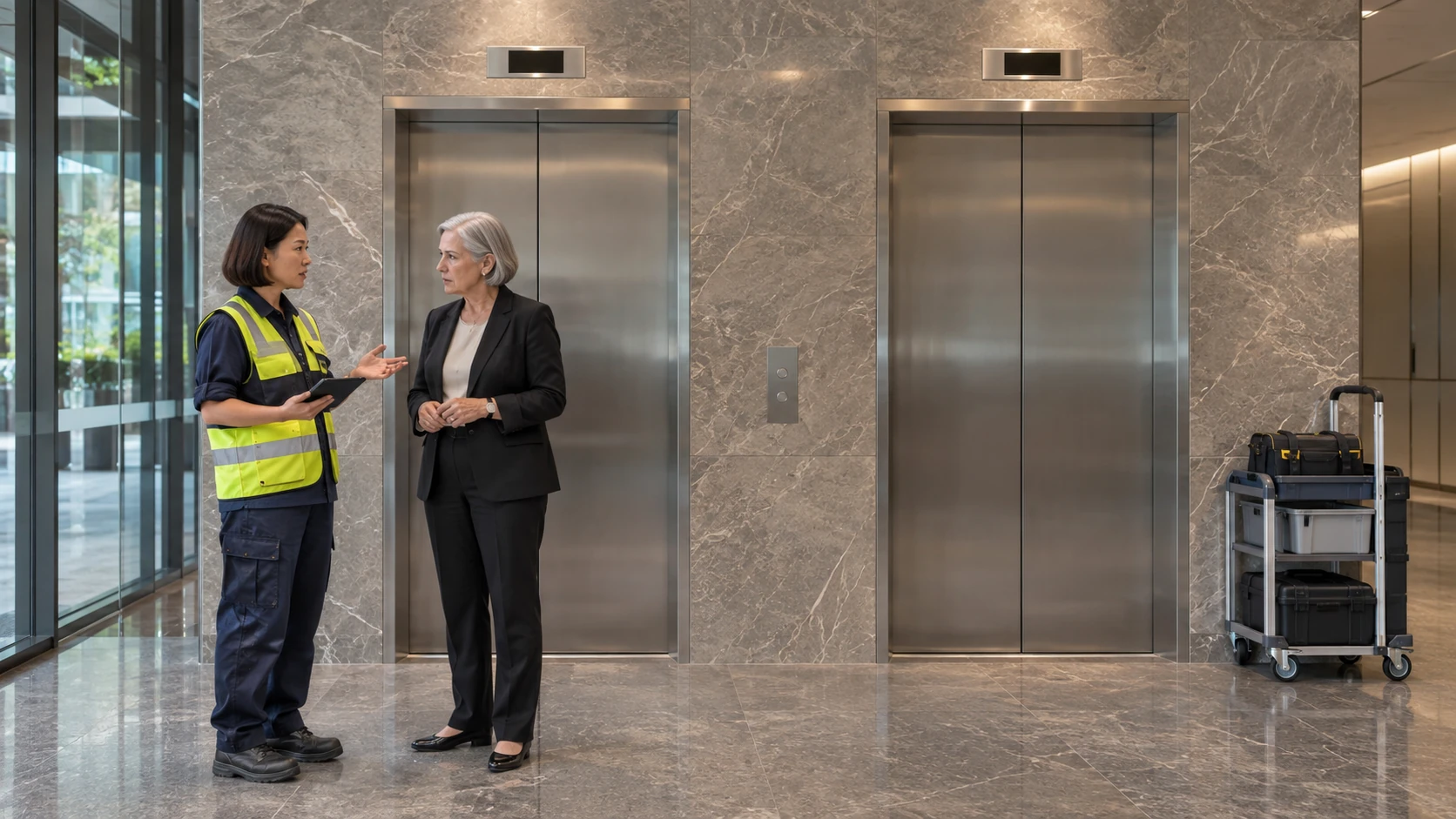
Understand the role’s technical setting
The ABS lift-mechanic description covers installation, service and repair responsibilities within the occupation. Actual jobs can have different system and work-stage requirements.
Check the employer’s requested trade background, equipment experience, credentials and review arrangements. Clarify which duties you would perform and which require another authorised specialist.
The existing trades roles guide gives broader preparation context without establishing permission for a particular task.
Verify the relevant authorisations
Queensland’s electrical licence-class guidance provides the official scope and conditions to check for electrical work. WorkSafe’s rigging guidance also notes that some lift and escalator work may require relevant rigger or dogger licensing.
Check the actual duties and applicable requirements rather than assuming every lift-mechanic position has identical credentials. A qualification, previous job title or training record is not a substitute for the necessary current authority.
Obtain advice through the appropriate regulator and employer process where your scope or recognition is uncertain.
A fictional service-history exercise
In this invented example, a candidate has experience supporting planned service work but has not held independent responsibility for a specialist system named in a vacancy. They prepare a record distinguishing the actual tasks, supervision and relevant authorisations.
They ask about the employer’s competence verification and support before claiming the unfamiliar duty. The record does not turn attendance at a service visit into evidence of independent diagnostic or approval authority.
No real equipment, technical result or safety finding is claimed by the exercise.
Prepare a specialist evidence brief
For a permitted example, explain:
- Equipment category and work setting.
- Actual contribution and supervision arrangement.
- Relevant qualifications, licences and conditions.
- Approved technical information used within your role.
- Service records, communication or handovers maintained.
- Unfamiliar scope or issue referred appropriately.
- Supported outcome and review responsibility.
Protect building-security information, customer details and proprietary technical records. Do not publish equipment-access instructions or sensitive service documents in a portfolio.
Clarify support and working conditions
Ask about training, on-call expectations, travel, task allocation and access to technical support. Establish how current instructions, changed conditions and unresolved questions are handled.
A credible application connects the actual equipment and duties with specific evidence and current authority. It helps the employer assess your contribution without treating a broad specialist title as permission to undertake every mechanical, electrical or lifting-related task.