A business does not have to be inside an Olympic venue to benefit from a major event.
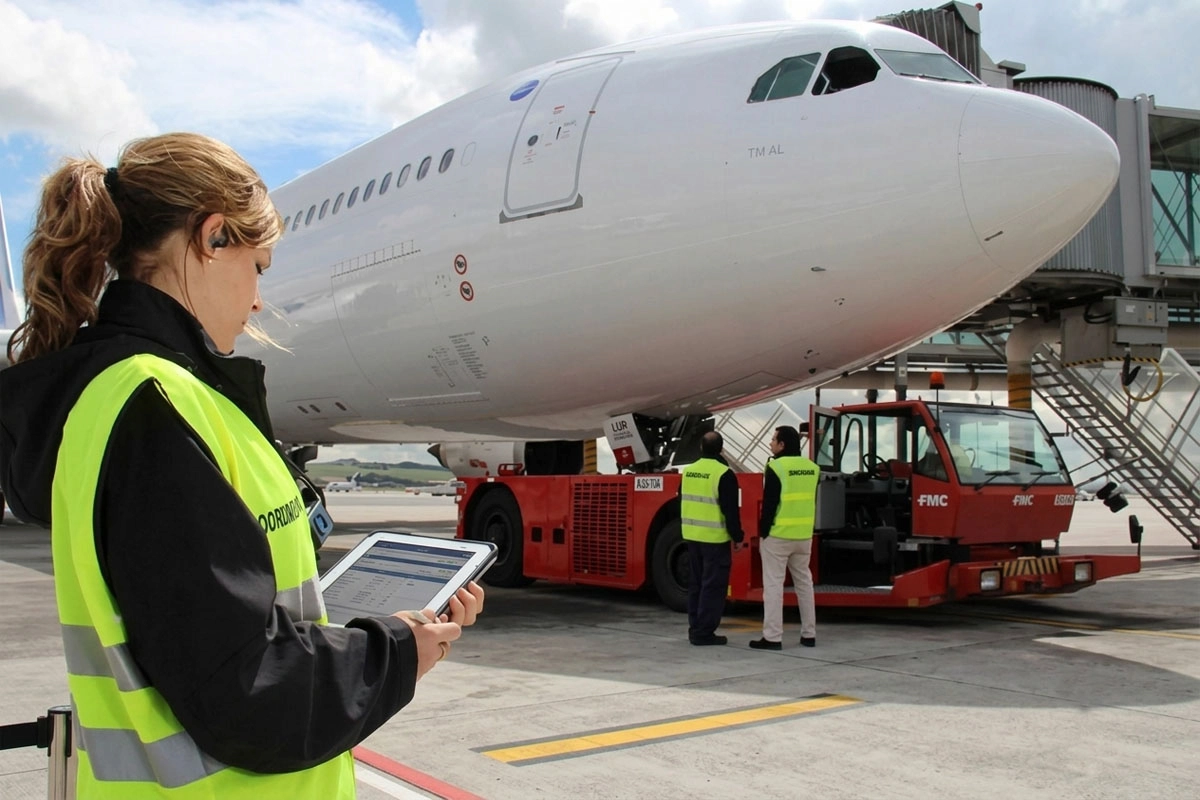
Think about what happens before a venue opens its doors. Equipment has to arrive, buildings need to be maintained, food has to be supplied, waste needs to be removed and technology has to keep working. Beyond the Olympic venues, hotels, restaurants, shops, transport providers, and other local businesses may also experience an increase in demand.
This is where the opportunity for local businesses starts to become more interesting.
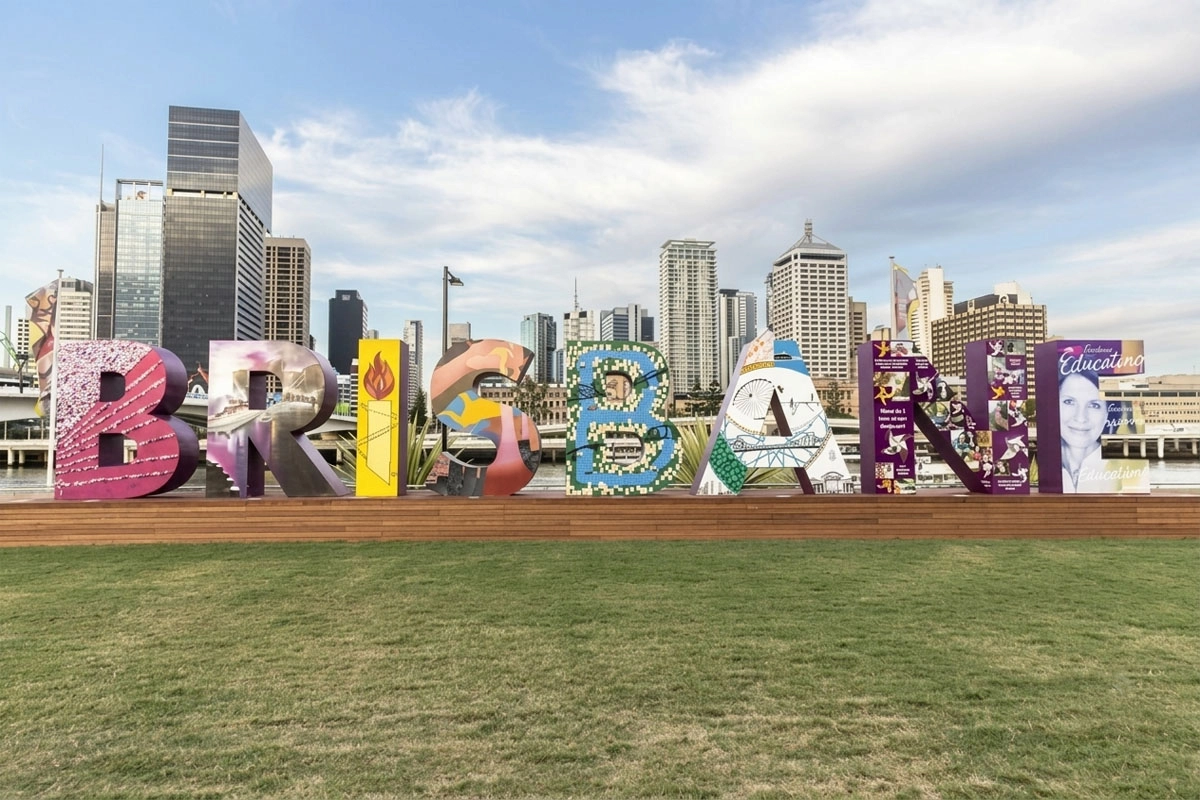
Brisbane 2032 is not simply a few weeks of sporting competition. The preparation involves infrastructure, procurement, venue operations, tourism and a large network of businesses supplying goods and services along the way. Brisbane City Council currently identifies increased demand for tourism, trade and investment as creating scaling and procurement opportunities for local businesses, while the Brisbane 2032 procurement program is already open for businesses to register interest in Games-related opportunities.
For a small business, the opportunity may not be a large contract with the Games organisation itself. It could be one step further down the supply chain.
Where Local Businesses Could See More Demand
The easiest way to understand the opportunity is to look at what a major event actually needs.
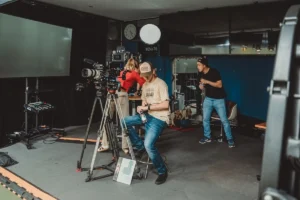
Construction and infrastructure projects require trades, equipment, materials, transport and specialist services. Once facilities are operating, they require cleaning, maintenance, landscaping, security, waste services, technology support and other day-to-day work.
Then there are businesses that deal directly with customers.
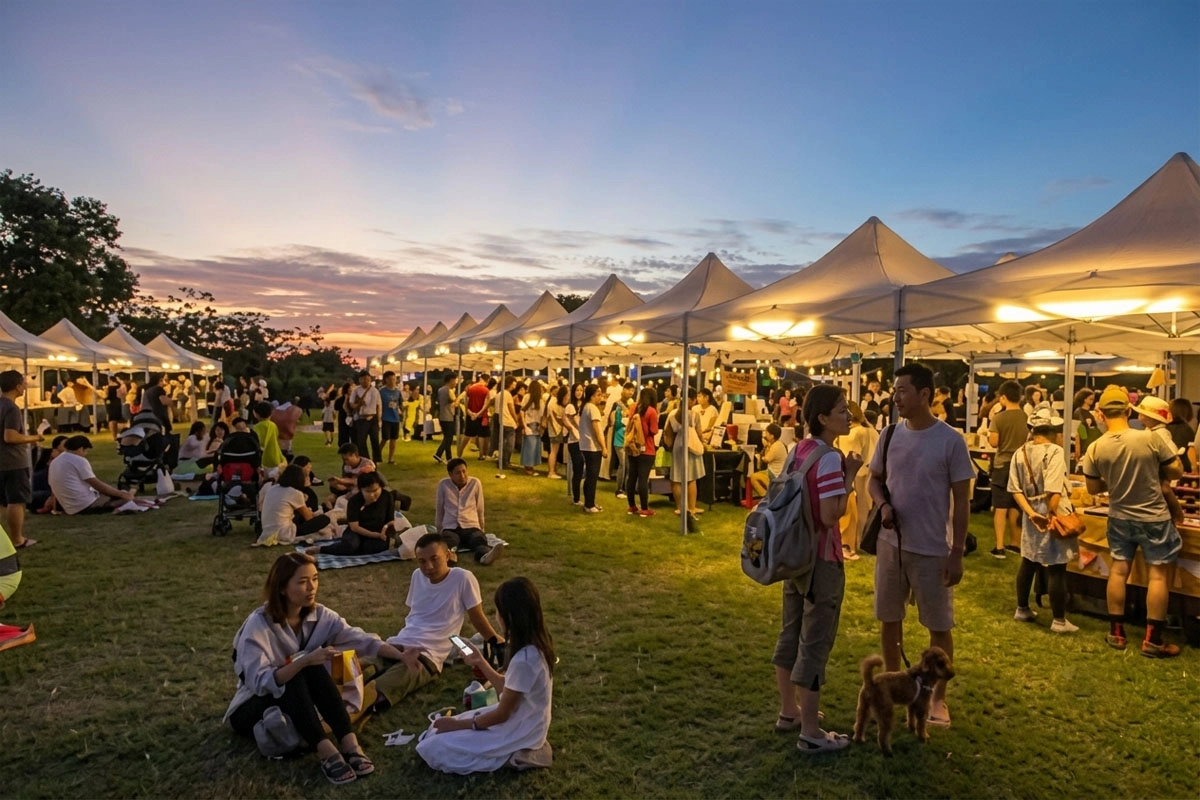
Restaurants may have more visitors. Accommodation providers may need additional supplies and services. Retailers may experience changes in customer demand. Transport and tourism businesses may have more people moving through Brisbane and surrounding areas.
Food suppliers, printers, software companies, equipment hire businesses and professional service providers can also play a role without ever putting their logo on an Olympic venue.
The important part is understanding where your business fits.
A local electrical contractor, for example, may never receive a contract directly from Brisbane 2032 but could work for a company involved in venue construction. A small catering supplier might supply a larger hospitality company. A waste business could support a facility operator.
These are all examples of how demand can move through a supply chain.
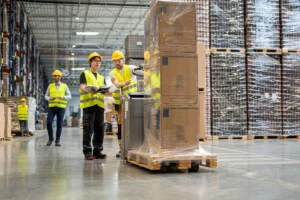
How Can a Small Business Become Part of the Supply Chain?
Large projects can make the supply chain look intimidating, particularly for a small business.
Small businesses can also learn how to prepare for project-based work in our guide to contractor work opportunities for Brisbane 2032.
But a company does not necessarily need to compete for the biggest contract available. It may be more realistic to focus on a specific service or product that a larger organisation needs.
This could mean becoming a subcontractor, supplying materials, providing specialist services or supporting another company that has already secured a contract.
Transport providers may also support these supply chains, including businesses involved in freight and HC driver jobs in Brisbane.
Queensland Government information for businesses preparing for Brisbane 2032 specifically highlights supply-chain opportunities, capability development and procurement readiness. Businesses are encouraged to understand buyer requirements, prepare capability statements and use procurement platforms to identify opportunities.
That preparation matters because larger buyers need to know more than what a business sells.
They may want to know whether the business has the right licences and insurance, whether it has experience doing similar work and whether it has enough capacity to deliver what is being requested.
For a small business, being honest about capacity is just as important as presenting its strengths. There is little benefit in winning work that the business cannot deliver properly.
What Should Local Businesses Prepare?
Getting the basics organised can make it much easier to respond when an opportunity appears.
A business should know exactly what it provides and which types of projects it is capable of supporting. A clear capability statement can help explain its services, previous experience, qualifications and capacity without forcing a potential buyer to search through pages of information.
It is also worth reviewing insurance, licences, safety procedures and other documentation that may be requested during a tender or supplier assessment.
Queensland’s current procurement policy places emphasis on creating opportunities for local suppliers, including small and family businesses and regional enterprises, wherever practical. That does not guarantee that a local business will win a contract, but it does make understanding the procurement process worthwhile.
Businesses should also consider whether they can handle an increase in orders.
If a company normally serves ten customers a week, taking on a contract that requires three times that capacity could create problems if the workforce, equipment or cash flow is not ready.
Preparation therefore needs to be practical rather than simply promotional.
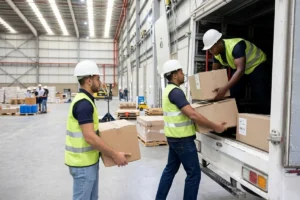
Where Can Businesses Look for Opportunities?
Businesses interested in Brisbane 2032 should not rely on one source of information.
The Brisbane 2032 Procurement Program provides a direct pathway for businesses interested in Games-related procurement. Queensland Government procurement opportunities can also be monitored through QTenders, while other major project and infrastructure opportunities are published through relevant procurement and industry channels.
It is also worth paying attention to the companies already involved in major projects.
A major contractor may rely on several smaller suppliers and subcontractors to complete its projects successfully. That can create opportunities for businesses that are too small to take on a major project themselves.
Industry events and supplier sessions can be useful for the same reason. They give businesses an opportunity to understand what buyers need and make connections before a tender reaches the final stage.
The Queensland Government has also been running business events and support programs aimed at helping suppliers understand procurement and build relationships with buyers.
How Can Local Businesses Capitalise on the Olympics?
The answer will be different for every business.
A landscaping company might focus on contractors working on venues and surrounding infrastructure. A technology company could look at software, hardware or technical support. A transport operator could target logistics and equipment movement. A food business might focus on supplying hospitality operators rather than trying to become a direct Games supplier.
Other businesses may benefit simply because more customers are coming into the region.
This is why it is worth looking beyond the phrase “Olympic contract.”
The more useful question is: who will need what my business already provides?
That approach allows a business to work with its existing strengths instead of trying to reinvent itself for the Games.
It also creates possibilities outside Brisbane 2032 itself. The relationships, experience and systems developed while working with larger organisations can potentially help a business compete for other contracts in the future.
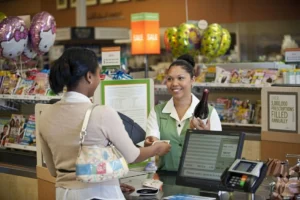
What Could Happen After 2032?
The Games will eventually finish, but the businesses involved will not simply disappear.
Some contracts will be temporary, while others will be part of ongoing operations. Infrastructure will still need maintenance, businesses will continue serving customers and the facilities built or upgraded for the Games will have uses beyond the event.
For local businesses, this makes preparation about more than one event.
A company that improves its tendering skills, develops stronger supplier relationships and gains experience working on major projects may be better equipped for future opportunities as well.
That does not mean every business will experience the same level of growth. The outcome will depend on the industry, competition, capacity and the type of work available.
Final Thoughts
The opportunity for local businesses around Brisbane 2032 is bigger than simply winning an Olympic contract.
There will be a network of companies supplying venues, infrastructure projects, tourism operators, contractors and customers before and during the Games. Some businesses will work directly with Games organisations, while others may benefit several steps away from the main procurement process.
For a small or medium-sized business, the most practical approach is to understand where it fits into that network.
Get the business ready, know what you can deliver, keep an eye on procurement opportunities and build relationships with organisations that may need your services.
The Olympics may bring the attention, but the real opportunity for many local businesses could be the wider network of work created around it.