Commercial cleaning and laundry companies, multimedia production teams, equipment hire businesses and printing services might not be the first names associated with the Brisbane 2032 Olympics, but they could all have a role in supporting the projects and businesses connected to the Games. Their work happens away from the competition itself, helping venues, accommodation providers, contractors and other organisations meet their day-to-day needs.
Multimedia is another important part of the picture. Video production, photography, digital content, broadcasting support and visual communications can help organisations document projects, communicate with audiences and deliver event-related services. Alongside the physical work of maintaining facilities and supplying equipment, these creative and technical services show how different industries can contribute to the wider preparations for a major event.
Several supporting industries may contribute through services that help businesses prepare for the operational demands associated with Brisbane 2032.
These less visible industries are worth paying attention to because their involvement may come through supplier contracts and service agreements rather than jobs advertised directly by Olympic organisers. Understanding how these businesses operate offers a different perspective on the industries that could support Brisbane 2032 and its wider network of suppliers.

Cleaning, Commercial Laundry and Facility Services
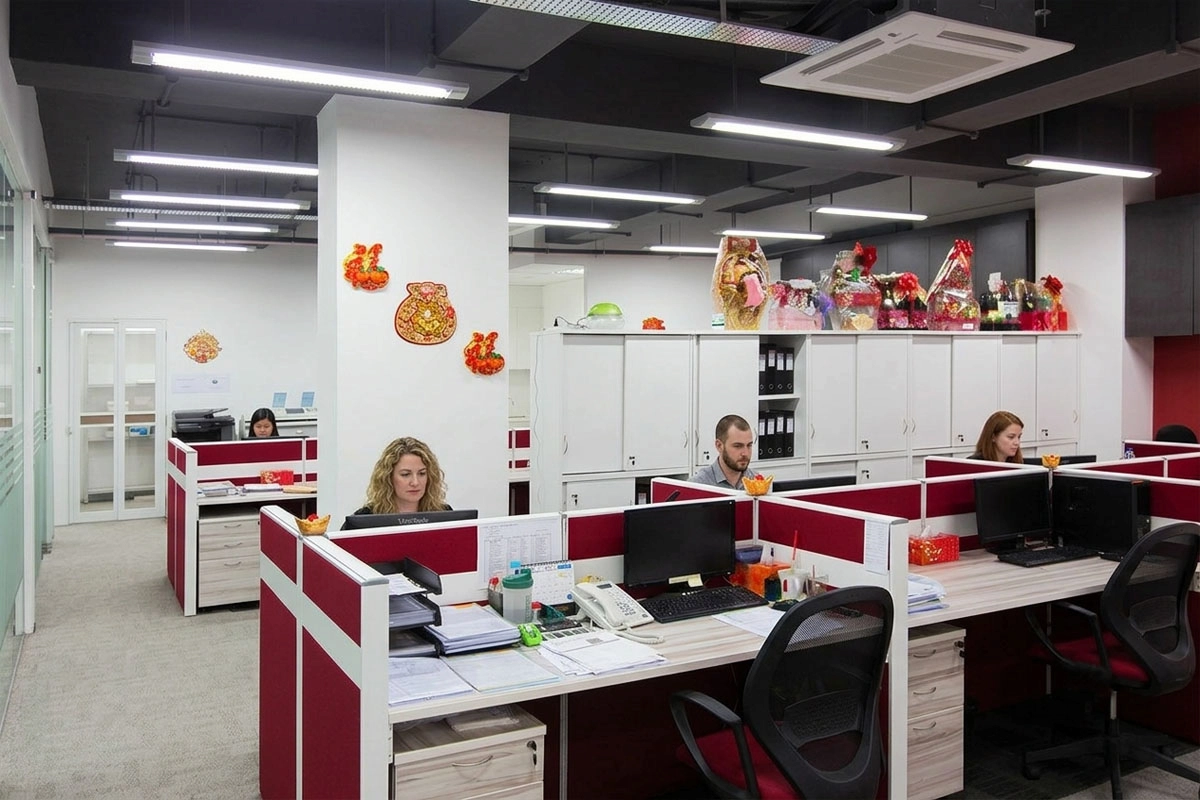
Keeping a building ready for use involves more than an occasional clean. Hotels, workplaces and venues may need cleaning teams to maintain floors, sanitise washrooms, keep shared areas tidy and handle more specialised cleaning tasks. Commercial cleaning companies can manage these tasks through scheduled services, specialised equipment and teams assigned to different locations.
Laundry services often work alongside this activity, particularly in accommodation and hospitality. Sheets, towels, uniforms and other textiles must be collected, washed, sorted and returned according to the customer’s schedule. Large commercial laundries use specialised equipment and coordinated processes to handle volumes that ordinary household machines cannot manage efficiently.
If businesses connected to Brisbane 2032 experience increased demand, some may need to adjust staffing, delivery arrangements or operating hours. This could involve cleaners, laundry operators, supervisors, machine technicians, delivery drivers and workers responsible for quality control.
The two services are related but not identical. Cleaning teams work directly within buildings and facilities, while commercial laundries may operate from separate processing sites and transport textiles between customers. Both can support the organisations involved in a major event, even when they have no direct role in sporting operations.
The extent of any additional work will depend on the facilities being used, existing service contracts and the capacity of individual providers. A rise in activity would not automatically mean every cleaning or laundry company needs more staff. These industries can support the daily operations of venues, accommodation providers and contractors throughout preparations for Brisbane 2032.
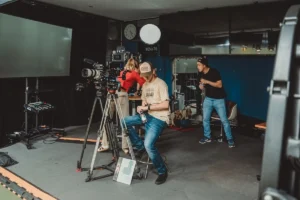
Multimedia, Video Production and Digital Content
A major international event creates a substantial amount of visual and digital material. Organisations may need videos to document construction progress, photographs for communications, promotional content, interviews, training materials and digital updates for different audiences.
This work may involve video production teams, photographers, video editors, graphic designers and other professionals who create digital content. Some work may involve filming on location, while other tasks take place in studios or offices where footage is edited, graphics are prepared and digital assets are organised for publication.
Technical support is another part of the process. Production teams may use cameras, microphones, lighting, editing systems and specialised software to create and deliver content. Depending on the assignment, work may require knowledge of video editing, sound production, live filming, animation or digital publishing.
Multimedia services can also support businesses outside the event itself. Contractors may need project updates, accommodation providers may produce promotional materials, and suppliers may require photography or videos to explain their products and services. These needs can create commercial work without a business being an official Olympic broadcaster or event partner.
Different types of production have different requirements. A short promotional video is not the same as a live broadcast, and a social media content role may require different skills from a camera operator or post-production editor. The actual work available will depend on which organisations commission content and what their projects require.
The potential scale of activity will depend on communication plans, production budgets and the suppliers selected. Multimedia is one of the industries worth watching as creative production and digital communication needs develop around Brisbane 2032. Confirmed contracts and advertised vacancies will provide clearer evidence of demand.

Equipment Hire and Temporary Infrastructure
Buying equipment is not always practical for work that lasts only a few weeks or months. Contractors and service providers may hire machinery, tools and temporary facilities instead of purchasing items they will not use regularly.
Equipment hire companies can supply generators, temporary lighting, barriers, fencing, access equipment, tools and portable facilities. Depending on the project, these items may need to be delivered, inspected, maintained and collected within a specific timeframe.
Behind each rental is a series of tasks. Staff prepare equipment for dispatch, drivers organise deliveries, technicians inspect and repair machinery, and customer service teams manage bookings and returns. Some specialised equipment may require trained operators or additional safety checks.
Temporary infrastructure can create a similar need. A project may require facilities or equipment for a particular stage, then remove them when the work changes or the site is ready for another use. As a result, demand can vary throughout the project rather than remaining constant.
For equipment suppliers, availability is only one consideration. Delivery schedules, maintenance standards, safety requirements and the ability to provide the right equipment at the right time can all influence whether a business is suitable for a contract.
These companies may serve many customers across construction, maintenance and event operations. Their connection to Brisbane 2032 would depend on the specific projects and contracts they support, rather than simply operating in the same region. For these industries, demand may depend on project schedules, equipment requirements and the length of each contract.
Signage, Printing and Visual Displays
Before a venue, worksite or temporary facility can operate smoothly, people need clear information about where to go and what rules to follow. This is where sign makers and print providers can play a practical role, producing everything from site-specific safety instructions to directional boards and visitor information.
A printing business may handle several stages of an order, starting with artwork preparation and moving through production, finishing and delivery. Depending on the customer’s requirements, the job could involve large-format banners, branded panels, identification labels or graphics designed for indoor and outdoor use. Digital displays may also require specialist installation and technical assistance.
Demand for these products can come from many types of customers. A contractor might order signs for a project site, while a hotel or transport operator could need updated directions, promotional displays or notices for its facilities. Some orders may be linked to a particular event, while others form part of ordinary business operations.
The work also draws on a mix of practical and creative abilities. Artwork needs to be prepared correctly, printing machinery must be operated safely, and finished signs may need to be fitted securely in specific locations. Projects involving electronic displays can require additional technical knowledge.
Winning a contract depends on more than being able to print a sign. Suppliers may need to meet strict deadlines, produce the required quantities, arrange installation and demonstrate that they can handle the size of the order. Some businesses may continue focusing on their existing customers rather than pursuing projects associated with Brisbane 2032.
These industries provide practical services that can help venues, contractors and other organisations communicate information clearly. Their products may seem ordinary, but clear instructions, visible information and well-prepared displays can be important to the day-to-day operation of a site.
Event Support and Specialist Production Services
Producing video, promotional material or other event-related content often requires more than a camera and a crew. Depending on the project, production teams may need suitable lighting, clear sound, staging, set materials and technical assistance before filming can begin.
Smaller suppliers can contribute by providing specific items or skills for individual assignments. For example, a production company might hire lighting equipment, order a custom backdrop or bring in a technician to help prepare a filming location. Some engagements may last only for a single shoot, while others could involve repeated work over a longer production period.
The support required varies according to the type of content being created. A simple interview may need a relatively small setup, whereas a complex broadcast or live production can involve more equipment, coordination and specialist expertise. Equipment maintenance, studio assistance and preparation work may also be needed behind the scenes.
For a supplier, the key question is whether its capabilities match the production brief. Clients may consider the available equipment, relevant experience, reliability, turnaround time and ability to work within the project’s budget. Any connection with Brisbane 2032 would depend on which productions are commissioned and which suppliers are chosen.
Those interested in event-related careers can also read about event work for the Brisbane Olympics to learn about the different roles involved in supporting major events.
Specialist production services are worth considering separately from public-facing event roles. Much of this work happens during planning, setup, filming and post-production, long before audiences see the finished material.
How These Industries Connect
Large projects often rely on multiple suppliers, with each business providing a specific product or service needed for the work. A facility operator might arrange regular cleaning, send linens to a commercial laundry, hire equipment for temporary work and order signs for a building or worksite. The services are different, but their delivery schedules may need to align.
Creative work can form part of the same network. A contractor may need photographs to document progress, while a venue operator could commission digital content or updated visitor information. Completing the project may also require support from equipment providers, technical crews and printing companies.
This means a supplier does not always need to work directly for an event organiser to be involved in the wider network. A company could be contracted by a builder, service provider or another business that has its own project responsibilities. Some suppliers may also serve several customers whose work is connected to different developments.
However, being part of this network does not automatically lead to additional business. Existing suppliers might already have the necessary capacity, and some contracts may require specialist qualifications, established experience or formal procurement procedures. The actual work available will depend on the project’s requirements, budget and supplier selection process.
Smaller businesses can use this understanding to assess where their services might fit. Instead of expecting every project to bring new business, suppliers can monitor tender opportunities, check contract requirements and follow announcements from potential clients.
Looking Beyond the Obvious Suppliers
The businesses supporting a major event are not limited to those working inside a stadium. Cleaning teams, commercial laundries, multimedia providers, equipment hire companies and print specialists can operate from offices, workshops, studios and other facilities across the wider region. These industries form part of the wider supplier network that may support projects connected to Brisbane 2032.
For a business considering potential contracts, the useful starting point is its own capability. It can identify the services it provides, the volume of work it can handle and the types of customers it already serves. Businesses can better identify potential work by checking tender announcements, updates from contractors and requests for suppliers, rather than relying only on the Olympic schedule.
Many of these companies will continue serving customers with no direct involvement in Brisbane 2032. A laundry may process linen for several accommodation businesses, a production team may create content for different clients, and an equipment supplier may serve construction and maintenance projects. Any increase connected to the Games would be one part of their overall workload.
The visitor economy is another area worth examining. Readers can learn more about tourism industry jobs in Brisbane to understand employment connected to accommodation, hospitality and services for visitors.
The scale of work linked to Brisbane 2032 will become clearer as projects progress and contracts are announced. Paying attention to suppliers beyond the main venues provides a more complete picture of the businesses that may contribute to the preparations.
Brisbane Olympic Jobs will continue following workforce developments, infrastructure projects and recruitment updates related to Brisbane 2032 and broader growth across South East Queensland.