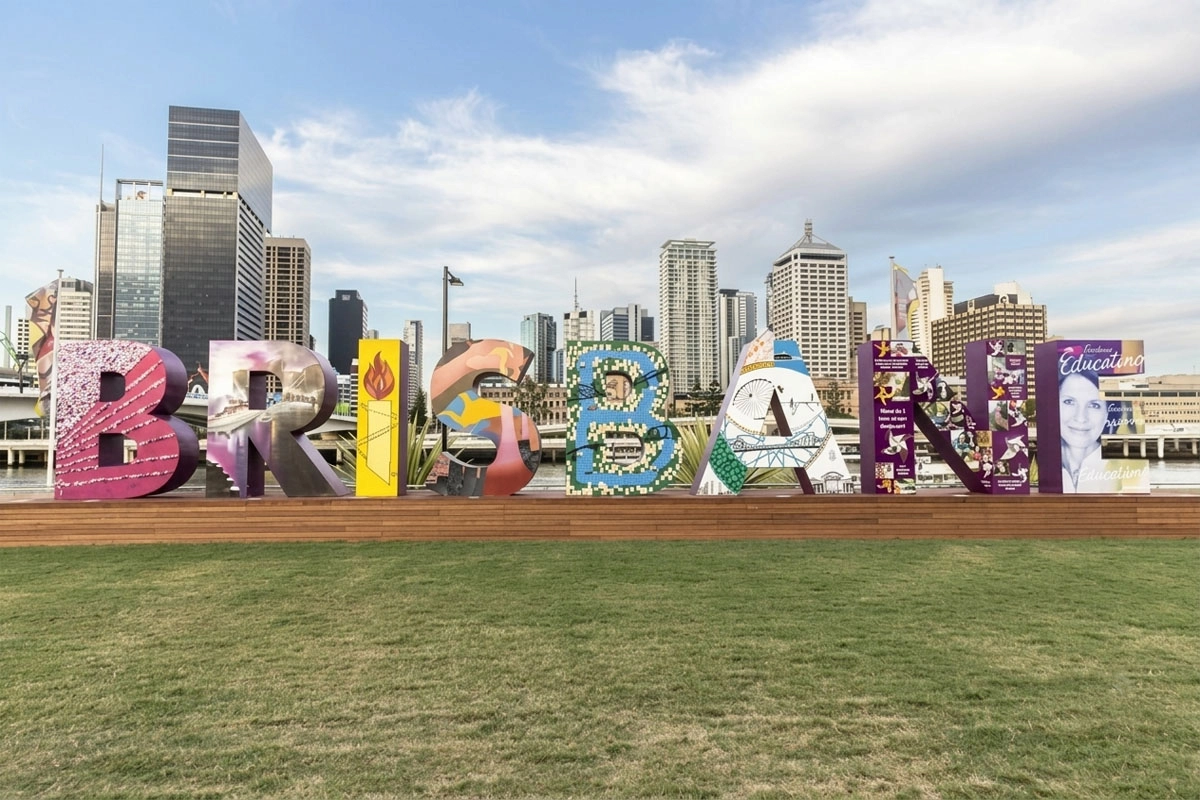

Brisbane is likely to feel busier as it gets closer to 2032. More people travelling into Queensland means more than full stadiums and crowded competition areas. Visitors will need places to go, things to do, ways to get around, and experiences that make their trip worthwhile.
That activity can create work for businesses across the wider tourism economy.
A visitor might book a guided tour, travel to an attraction, take a day trip, purchase tickets for an activity, visit local shops, or use a transport service. Each part of that journey involves people working behind the scenes and on the ground.
This is where tourism industry jobs could become an important part of Brisbane’s employment picture as visitor numbers increase.
Tourism industry jobs can include positions in travel administration, tour operations, visitor services and transport coordination, depending on employer needs.
Tourism Creates Jobs Across More Than One Industry
Tourism is not really one type of business.
It connects different companies that serve people while they are travelling. Some are obvious, such as tour operators and attractions. Some businesses may not be directly associated with tourism but can still gain from an increase in visitors.
A company that runs tours may need additional staff to manage bookings and schedules. An attraction may need more people to support daily operations. A transport company may require additional drivers or coordinators. Local retailers may see more customers passing through their doors.
The result is that tourism-related employment can appear under many different job titles.
When searching for tourism industry jobs, check related job titles in travel services, visitor attractions, transport and event operations, as relevant positions may be advertised under different categories.

Tourism Industry Jobs in Tour and Travel Services
Visitors do not usually stay in one place for their entire trip.
Some will want to see Brisbane’s landmarks, join organised tours, take day trips, or experience parts of Queensland outside the main competition areas. Others may book activities before arriving and make additional plans once they are here.
Tour operators and travel businesses have to manage all of that activity.
Depending on the company, this could create roles in tour operations, booking coordination, customer support, travel administration, scheduling and guiding.
For people who enjoy helping visitors, our guide to customer service jobs at the Brisbane 2032 Olympics covers another career path where communication and customer support skills can be useful.
The work can also be quite different from one employer to another. A small tour company may need someone who can handle several responsibilities, while a larger operator may divide its work between specialist teams.
People researching tourism industry jobs should consider both customer-facing roles and behind-the-scenes positions that support bookings, scheduling and daily operations.
Attractions and Visitor Experiences Need People Too
Brisbane’s tourism activity is not going to be limited to the Olympic venues.
Visitors may spend their free time at attractions, cultural sites, outdoor activities and other experiences around the city and wider region.
These businesses need people to keep the experience running.
There can be work involving ticketing, activity coordination, visitor operations, administration, equipment, maintenance and other day-to-day functions.
Not every role will involve constant interaction with tourists. Some employees may spend most of their time making sure schedules are organised, equipment is ready or activities can operate properly.
That makes attractions an interesting area for people who want to work in tourism but do not necessarily want a traditional customer-facing position. Tourism industry jobs at attractions may suit candidates with experience in administration, maintenance, ticketing or activity coordination, depending on the employer’s requirements.
Transport Is Another Part of the Tourism Picture
Getting visitors where they need to go is an essential part of travelling.
People arriving in Brisbane may use airport transfers, tour buses, taxis, rideshare services or other transport options. Visitors may also travel between Brisbane and other Queensland destinations during their stay.
This creates a need for more than drivers.
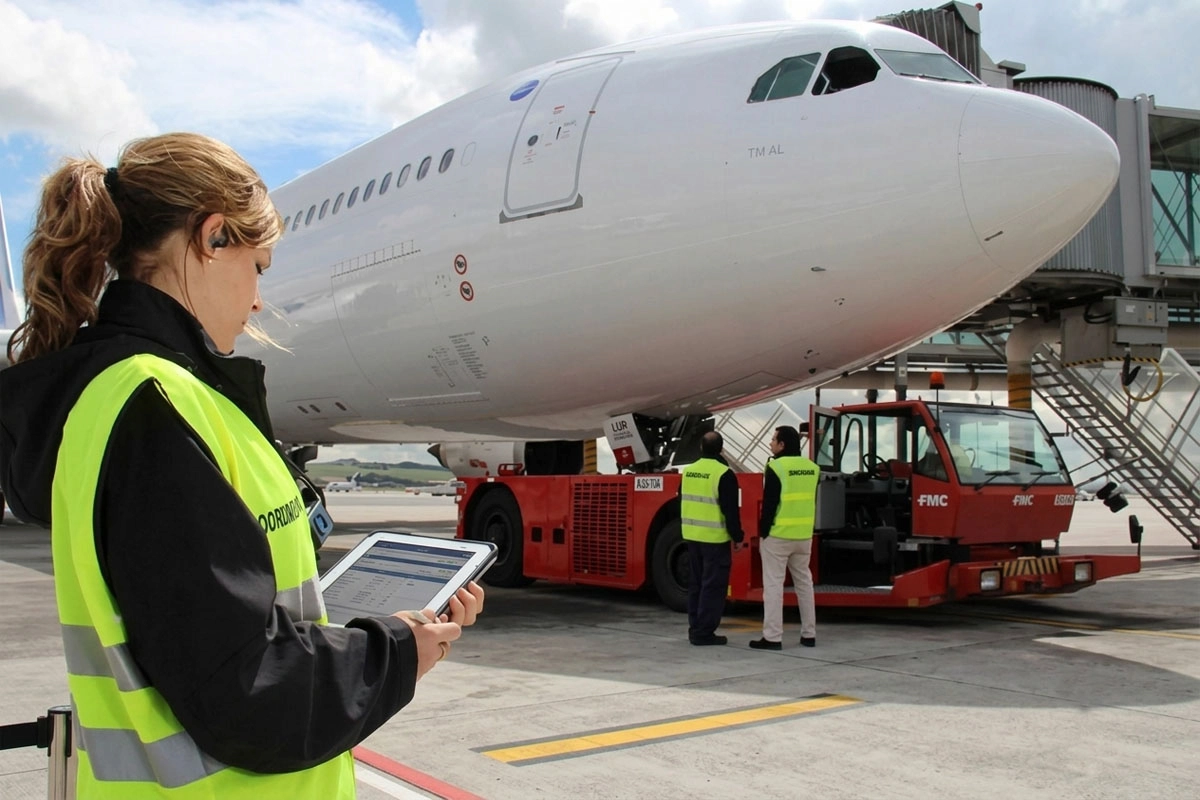
Transport businesses can also require people to handle bookings, coordinate schedules, manage dispatch operations, communicate with customers and support day-to-day fleet activities.
Some positions will have specific licence or qualification requirements, while others may focus more on administration and coordination.
For someone with experience in transport or logistics, tourism growth could therefore create opportunities in an industry they may not have previously considered.

Events and Entertainment Can Add More Demand
A major sporting event can encourage visitors to do more than attend competitions.
Someone travelling to Brisbane for the Games may also attend an entertainment event, book an activity, visit an attraction or take part in another experience while they are in the city.
That creates another connection between tourism and events.
Businesses involved in entertainment, ticketing, event production, equipment, activities and visitor experiences may need additional workers when demand increases.
Some of these jobs may be temporary or project-based, while others could become ongoing positions depending on the business. If you want to understand what working on a major event can involve, read our guide to event work in Brisbane and what to expect from Olympic-related roles.
For people who enjoy changing work environments, event-related tourism can provide a different career path from traditional office-based roles.
Local Businesses Can Feel the Effect Too
Tourism spending does not stop when visitors finish a tour.
People may buy souvenirs, visit local shops, purchase products, eat at nearby businesses, or spend money on services during their stay.
That can benefit smaller businesses located in areas with strong visitor traffic.
A retailer may need additional staff during busy periods. A business selling locally made products may increase its stock and operating hours. An activity provider may need more people to handle bookings and customers.
These businesses may never advertise a position as a “Brisbane 2032 tourism job,” even though their staffing needs are partly connected to increased visitor activity.
This is why it is worth looking beyond companies directly associated with the Games when searching for tourism employment.
Skills That Can Transfer Into Tourism
You do not necessarily need to have worked in tourism before to bring useful experience into the industry.
Someone with administration experience may already understand scheduling, records, bookings and communication. A person with retail experience may have skills that transfer into visitor-facing businesses. Someone with transport experience may already have the practical knowledge needed for tourism-related driving or coordination work.
Digital skills can also be valuable.
Many tourism businesses depend on online booking platforms, websites, reservation systems, digital payments and social media. Employees who are comfortable using these systems can support businesses in ways that go beyond traditional tourism duties.
Event coordination, sales, customer support, driving and operations experience can also open doors to different areas of the sector.
When applying for tourism industry jobs, highlight transferable skills such as customer service, administration, digital systems, transport coordination or event support that match the advertised requirements.
What Could Brisbane 2032 Mean for Tourism Employment?
The impact of Brisbane 2032 may build over several years rather than appearing all at once.
Businesses can start preparing for increased visitor activity at different times, depending on their size, location and type of service. Some may expand early, while others may only need extra workers when visitor demand becomes more noticeable.
There is also no guarantee that a particular business will hire simply because the Games are approaching.
However, the wider increase in travel and visitor activity could create more reasons for tourism businesses to review their staffing needs.
For job seekers, that makes the years before 2032 useful preparation time rather than something to ignore until the Games begin.

How Job Seekers Can Prepare
The first step is to decide which part of tourism actually interests you.
If you enjoy showing people around, tours and visitor experiences may be worth considering. If you prefer organising information and schedules, tourism administration or operations could be a better fit. If you have transport experience, tourism-related driving and coordination may be more suitable.
Once you have an area in mind, look at the skills employers are already asking for.
Comparing current tourism industry jobs can help you identify recurring qualifications, experience requirements and skills to develop before applying.
You can then build experience around those requirements instead of simply waiting for Brisbane 2032 vacancies to appear.
It is also worth keeping track of tourism businesses directly. Tour operators, attractions, transport companies, activity providers and other visitor-focused businesses may advertise jobs through their own websites or regular recruitment channels.
What Happens After the Games?
One of the more interesting questions is what happens when Brisbane 2032 is over.
Not every increase in employment will necessarily disappear once the Games finish.
Some businesses may have expanded their services, developed new products, increased their customer base or gained experience handling larger visitor numbers. Workers who gained experience during this period may also take those skills into future tourism roles.
Queensland’s tourism industry does not depend entirely on one sporting event. The experience and infrastructure developed around a major international event can potentially support tourism activity beyond 2032.
For workers, that means experience gained during this period could become part of a longer career rather than simply a short-term job.
Final Thoughts
A visitor surge can create employment in places that are easy to overlook.
Tour operators need people to organise experiences. Attractions need workers to keep their operations moving. Transport companies need drivers and coordinators. Events need support. Local businesses can benefit from increased visitor spending.
These opportunities do not necessarily come with an Olympic-related job title.
That is what makes the tourism sector worth watching as Brisbane moves closer to 2032. The potential employment story is much broader than what happens inside the competition venues.
For job seekers, looking at the wider tourism economy could reveal opportunities that are not obvious at first glance — and preparing early may make it easier to take advantage of them when demand starts to grow.