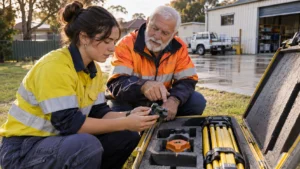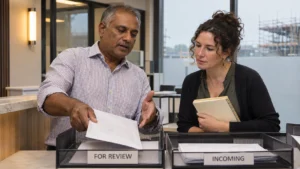

Refrigeration and air-conditioning mechanics work with systems whose technical and licensing requirements depend on the actual equipment and duties. Assess a vacancy by its domestic, commercial or industrial scope and the authorisations needed for the work.
Keep trade experience, refrigerant handling and electrical or other relevant permissions distinct. One qualification or licence should not be assumed to cover every part of a service call.
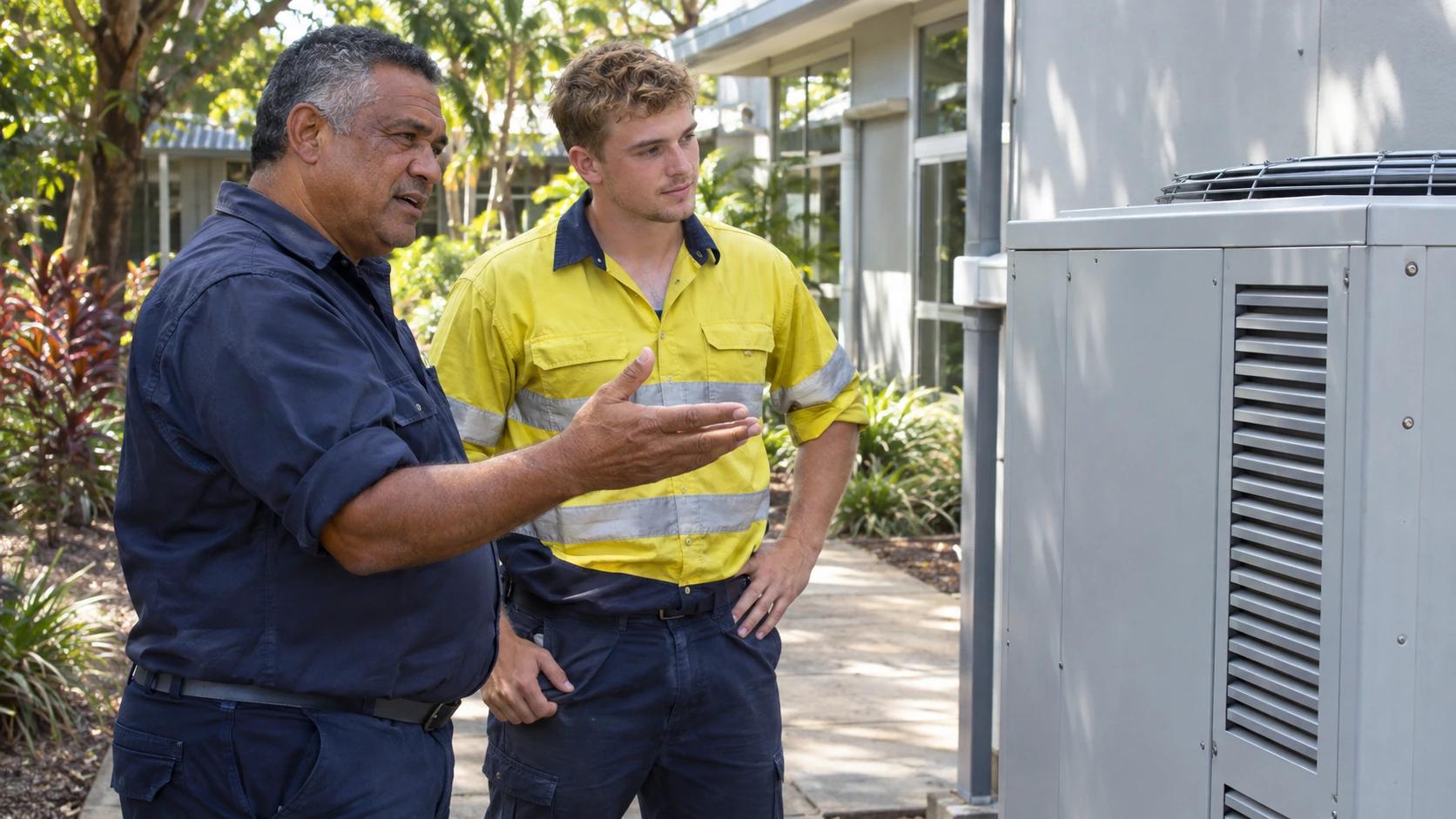
Understand the systems and work mix
The ABS air-conditioning and refrigeration technician description includes installation, maintenance and repair across different settings. Actual roles may emphasise service, planned maintenance, installation or particular equipment.
Check the vacancy for required qualifications, system experience, customer communication, service records and working arrangements. Ask how unfamiliar equipment is assigned and supported.
The existing trades roles guide gives broader preparation context without determining the credentials for a specific position.
Verify each relevant authorisation
The Australian Refrigeration Council’s licence-type guidance distinguishes refrigerant-handling entitlements. Check the actual class and scope with the official process rather than treating every refrigeration credential as interchangeable.
Queensland’s restricted electrical-work guidance explains that restrictions and conditions apply. Check relevant QBCC requirements for the work as well.
This article does not assess individual eligibility or provide refrigerant, electrical, pressure-testing or repair instructions. Resolve uncertainty with the appropriate authority before undertaking affected duties.
A fictional service-record exercise
In this invented example, a vacancy requests experience with a system category the applicant has only encountered under supervision. The applicant prepares a truthful record distinguishing observation, supervised contribution and work they are authorised and competent to perform.
The record identifies the equipment category, task context, relevant authorisation and responsible reviewer without disclosing a client’s sensitive system details.
It does not claim independent diagnostic responsibility or a successful repair merely because the applicant attended the job.
Prepare evidence relevant to the role
An appropriate evidence brief can explain:
- System context and your actual duties.
- Relevant current credentials and their conditions.
- Approved instructions and technical support used.
- Service or maintenance information you recorded.
- Customer or team communication within your role.
- Unfamiliar scope or issue referred to the responsible person.
- Verified outcome you may disclose.
Use fictional or authorised material. Do not publish proprietary service data, customer details or technical procedures to demonstrate competence.
Clarify support and working conditions
Ask about on-call arrangements, travel, supervision, equipment, training and access to technical advice. Establish how the employer verifies licences and task-specific competence before assignment.
A credible application connects the actual system scope with evidence of work, records and appropriate review. It shows the employer what you can substantiate while keeping separate permissions and unfamiliar duties visible, rather than presenting a broad trade title as authority for every part of the job.