

The Olympics can make ordinary work look extraordinary. A venue opens on schedule, technology works when it is needed, transport systems move people through the city and thousands of visitors enter and leave without ever thinking about what had to happen behind the scenes.
That apparent simplicity is the result of a huge amount of technical and operational work.
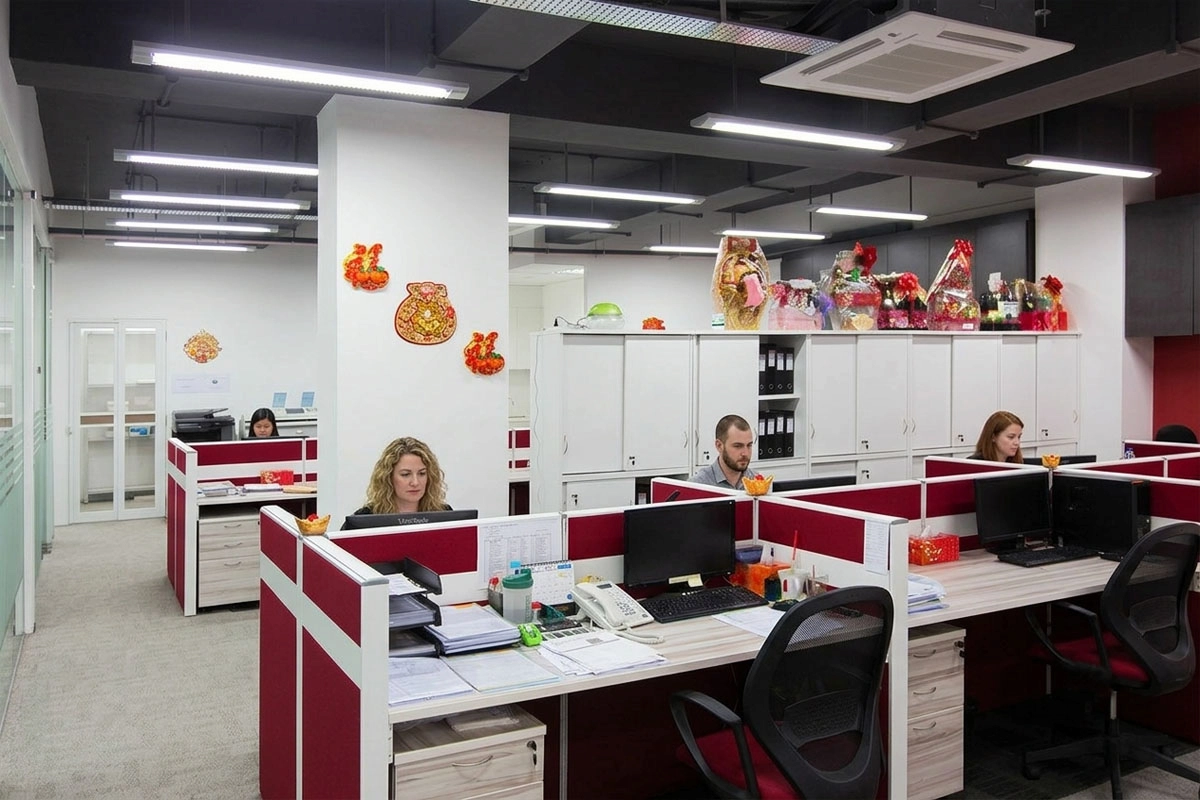
People working in Olympic jobs may find themselves inside complex project environments involving government organisations, contractors, suppliers, technology teams, venue operators and many other groups. Depending on the role, the work can involve everything from project coordination and systems testing to asset management, documentation, facilities and operational support.
The interesting part is that much of this work is invisible when it is done properly.
A system that works does not attract attention. A venue that opens without an issue does not make headlines because someone completed the final checks correctly. When thousands of people move through an event without noticing the infrastructure around them, that can actually be evidence that a great deal of preparation has gone right.

Olympic Jobs Operate Inside a Larger System
One of the biggest realities of Olympic jobs is that very few tasks exist completely on their own.
A worker may complete their responsibility correctly but still depend on another team completing theirs. A technology system may be configured properly, but the network underneath it must also be operational. A venue may be physically finished, but access control, communications, equipment, staffing and operating procedures may still need to be tested.
This creates a chain of dependencies.
A change in one part of the project can have consequences somewhere else. Something as simple as a change to a room layout could affect equipment placement, network requirements, staff locations, signage or visitor movement.
That is why working on a large project requires more than understanding your own job description. It helps to understand where your work fits within the wider operation.
The Technical Work Often Happens Before the Public Arrives
Spectators normally see the finished environment. They do not see the testing that happened beforehand.
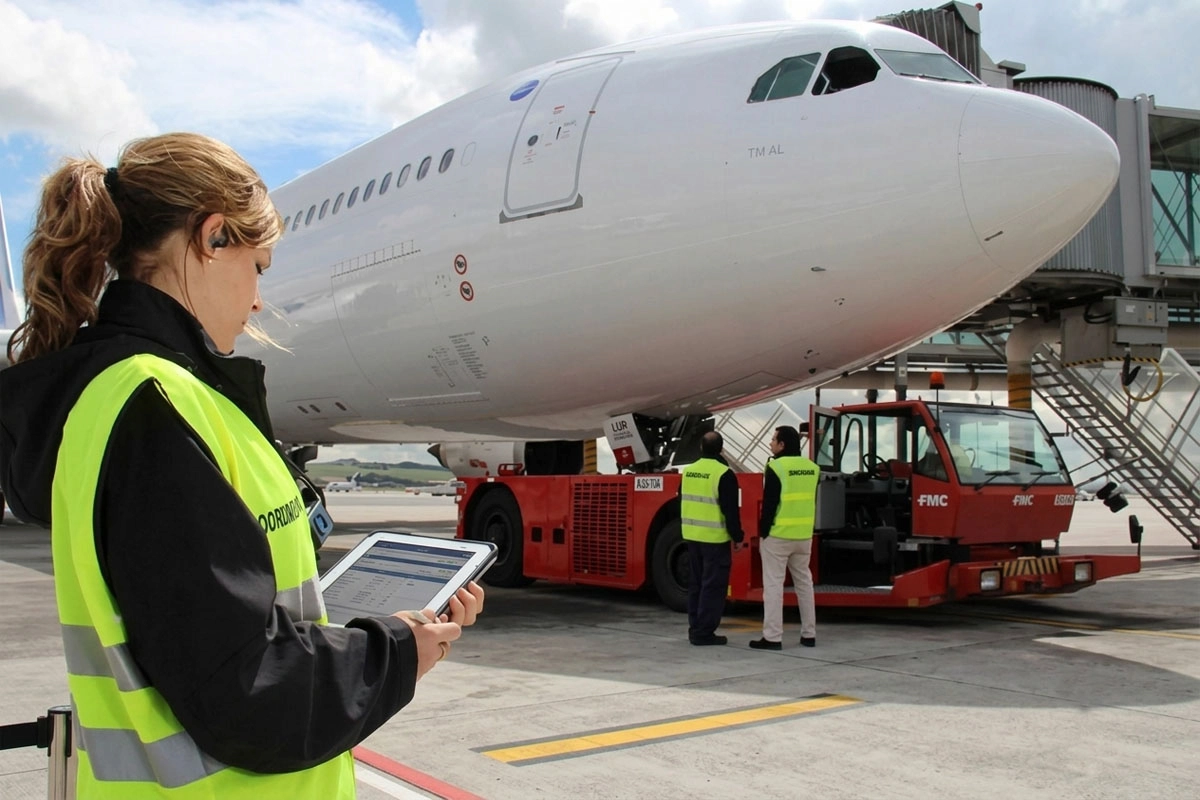
Technology teams may test connectivity and systems. Facilities teams may inspect equipment. Operations teams may work through procedures. Staff may need to be trained before they are expected to use particular systems or processes.
The goal is not simply to have something installed. It needs to be ready for actual use.
For people interested in the technical side of major-event preparation, IT jobs in Brisbane supporting the 2032 Olympics may include work involving systems, connectivity, testing and technical support.
Depending on the role, preparation may include:
- System and equipment testing
- Connectivity checks
- User or operational testing
- Procedure validation
- Staff training
- Issue tracking
- Fault resolution
- Final readiness checks
Testing also creates another important responsibility: documenting what happened.
If a problem is discovered, someone needs to know what the issue was, what was affected, who is responsible and whether the solution has actually been verified.

Documentation Is More Important Than It Looks
Documentation may not sound exciting, but it becomes extremely important when multiple teams are working on the same project.
Everyone needs to understand what has been finished, what is still pending and who is responsible for the next step.
Depending on the position, Olympic jobs may involve working with:
- Technical specifications
- Project schedules
- Asset and equipment records
- Issue and incident logs
- Testing results
- Change requests
- Operational procedures
- Handover documents
Good documentation gives a project memory.
If a team member moves to another assignment or a contractor takes over responsibility for a system, the next person should not have to rely entirely on conversations or someone’s personal memory.
In a complex project, that can quickly become a problem.
A Technical Problem Can Become an Operational Problem
A technical issue does not always stay inside the technical department.
Imagine that a system stops working during an important operational period. The original problem might be technical, but its consequences can spread quickly. Staff may lose access to information, another team may need to change its procedure and supervisors may need to escalate the situation.
This means troubleshooting is not always just about finding the technical fault.
Workers may also need to understand:
- What has been affected?
- How urgent is the problem?
- Who depends on the affected system?
- Is there a temporary workaround?
- Who needs to be informed?
- Does the issue require escalation?
A technically correct solution may not be enough if it takes too long to implement. At the same time, making an untested change in a live environment can create additional problems.
That balance between technical accuracy and operational impact can become an important part of the work.
Change Management Becomes Part of the Job
Large projects rarely remain exactly the same from beginning to end.
Requirements change. Designs are refined. Equipment may be replaced. Schedules move. New information becomes available. A process that worked during testing may need to be adjusted before actual operations begin.
That is where change management becomes important.
Instead of changing something informally, teams may need to document the proposed change, consider its impact, obtain the necessary approval and communicate the outcome to the people affected.
This may seem like extra paperwork, but there is a reason for it.
When many teams depend on the same systems and information, an undocumented change can create confusion. One team may be working from an old configuration while another has already moved to something different.
For Olympic jobs involving technology, facilities, infrastructure or operations, understanding controlled change can therefore be just as important as technical knowledge.
The Pressure Comes From Dependencies, Not Just Deadlines
The fixed date of the Games creates an obvious deadline, but the more complicated issue is how many activities need to become ready around the same period.
A venue cannot necessarily be considered operational simply because construction is complete.
Other elements may still need to be ready:
- Technology systems
- Communications
- Access arrangements
- Equipment
- Staffing
- Operating procedures
- Testing
- Support processes
This creates a readiness challenge.
Teams need to know not only whether their own work is finished, but whether the wider environment is capable of operating.
That requires coordination between people who may not report to the same manager or even work for the same organisation.
Escalation Is a Professional Skill
In a normal workplace, someone may have plenty of time to investigate a problem before deciding what to do.
In a major operational environment, waiting too long can sometimes make a problem harder to resolve.
Good escalation is not about sending every minor issue to management. It means recognising when a problem is beyond your authority, expertise or risk tolerance.
A worker may need to decide whether to:
- Resolve the issue independently
- Consult another team
- Record the issue for follow-up
- Escalate it to a supervisor
- Trigger a formal incident or support process
That requires judgement.
The ability to recognise the difference between a minor inconvenience and a problem that could affect wider operations is valuable in any complex workplace.
Not Every Olympic Job Is Technical, But Every Role Can Have Dependencies
The word “technical” does not only apply to engineers and IT specialists.
An administrator may depend on information from several departments. A logistics worker may need accurate delivery information. A venue worker may need to follow an operational procedure. A customer-facing employee may rely on information provided by another team.
Different roles use different systems and processes, but they can still be connected.
This is why communication matters so much.
You do not necessarily need to understand every technical system in a major project. You do need to understand how your responsibilities connect to the people and processes around you.
Operational Readiness Is Different From Construction Completion
A completed building does not automatically mean a completed operation.
A venue can be physically finished while teams are still preparing the systems and procedures needed to use it.
Equipment may need to be installed and tested. Technology may require configuration. Staff may need training. Access arrangements may need to be tested. Procedures may need to be reviewed under realistic conditions.
Eventually, the question changes.
It is no longer simply:
“Is it built?”
It becomes:
“Is it ready to operate?”
That difference is important.
A technically complete environment can still be operationally unprepared if the people, systems, procedures and support arrangements have not been properly coordinated.
What Happens When Something Goes Wrong?
No complex system operates perfectly.
Equipment can fail. A supplier can be delayed. Information can be incomplete. A configuration can behave differently in the real environment than it did during testing.
The main question is not whether problems will arise.
What matters is how the team handles problems when they arise.
A structured response may involve identifying the issue, assessing its impact, assigning responsibility, prioritising the work and confirming that the solution has actually resolved the problem.
For workers, this can mean learning to approach problems methodically rather than reacting immediately.
A useful thought process might be:
What happened?
What is affected?
How urgent is it?
Who needs to know?
What can be done safely?
What needs to be documented afterward?
That approach can be useful well beyond Olympic jobs.
The Less Visible Skills Can Become the Most Important
Technical knowledge matters, but major projects can also reveal the value of professional habits.
Someone who keeps accurate records can make another team’s work easier. A person who communicates changes promptly can help avoid duplicated work. Someone who identifies a dependency early can prevent a delay later.
These contributions may not receive much attention.
They are still important.
For many Olympic jobs, useful professional skills can include:
- Attention to detail
- Structured problem-solving
- Risk awareness
- Clear communication
- Documentation
- Process discipline
- Time management
- Understanding dependencies
- Knowing when to escalate
These are not necessarily glamorous skills, but they can have a direct effect on whether complex work runs smoothly.
These practical abilities can become valuable across different industries, particularly as skilled workers may see more demand from Brisbane 2032 and related projects.
What Can Olympic Jobs Actually Teach You?
The value of Olympic jobs may extend beyond the event itself.
Someone involved in a major project may gain experience working with multiple teams, following formal processes, managing changing requirements or responding to operational problems.
They may also learn how different organisations divide responsibilities and how decisions move through a large project structure.
The experience does not automatically guarantee a promotion, higher salary or another job. What matters is the actual responsibility someone held and what they learned while doing it.
Being able to explain how you solved a problem, improved a process, supported an operation or worked across teams can be much more meaningful than simply saying that you were involved in the Olympics.
The Reality of Olympic Jobs
The glamour is real, but it is only the visible layer.
Underneath the ceremonies, venues and crowds is a large operational system made up of people, processes, technology, infrastructure, documentation and thousands of individual decisions.
Olympic jobs can therefore involve much more than being part of a famous sporting event. Depending on the position, workers may spend their time testing systems, coordinating teams, managing changes, resolving issues, maintaining records or preparing an environment for operational use.
Some days may be demanding. Others may be routine. Some problems may be highly technical, while others may come down to a communication gap or a missed detail.
That is what working on a project of this size is really like.
The Olympics may be what the public sees, but the work behind them is ultimately about something much less glamorous and much more important: making sure a complicated operation is ready to work when it matters.
Working Culture, Hours and Support Still Vary
A shared deadline can give a team a sense of purpose, but it does not mean every workplace is inspiring or every shift is unusually long. Culture depends on the employer, leadership, staffing, duties and project phase. Routine administration and maintenance remain part of many roles.
Before accepting, ask about roster notice, ordinary hours, breaks, overtime, supervision and how concerns are escalated. Do not treat exhaustion or a so-called “zero-failure” culture as a professional requirement. Follow the employer’s safety procedures and raise workload or fatigue concerns early.
Record the skills and responsibilities you actually gain. The event name alone does not prove competence or guarantee another job. For a practical shift example, see what a major-event workday could involve.
Compare this guidance with current job listings and the recruiting employer’s requirements. Check the duties, location and application instructions in each advertisement.