


Most people do not think much about waste management until there is a problem. A full bin, rubbish left behind after an event or a collection that does not happen when it should can quickly become noticeable.
Behind the scenes, waste management workers help prevent those problems. Their work can include collecting rubbish, sorting recyclable materials, moving waste, keeping collection areas organised and making sure waste is handled properly. It is practical work that happens every day in businesses, public places, facilities and other busy environments.
The job can become more demanding when thousands of people are in the same place. A major sporting event can produce a large amount of waste in just a few hours, so someone needs to keep up with collections, clear busy areas and make sure waste goes to the right place.
That is one reason waste management is worth watching as Brisbane prepares for the 2032 Olympic and Paralympic Games.
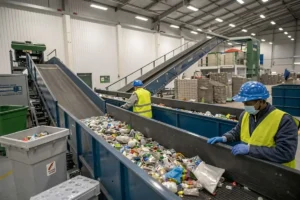
What Does a Waste Management Worker Do?
The actual work depends on the job and where you are working. A waste collection worker may spend most of the day collecting and moving waste, while someone at a recycling or waste facility may spend more time sorting materials or operating equipment.
At a large venue, the work can involve checking bins throughout the day, clearing rubbish from public areas and keeping collection points under control. Waste may need to be moved during quieter periods so that workers can do their jobs without getting in the way of visitors or other venue operations.
Waste management also works closely with cleaning services, especially at busy public venues where rubbish needs to be collected while surrounding areas remain clean and safe. Our guide to Brisbane Olympics cleaning jobs looks at another type of work that may help keep event spaces presentable and ready for visitors.
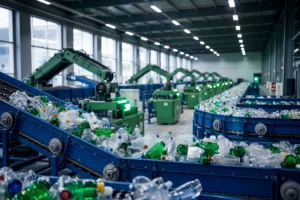
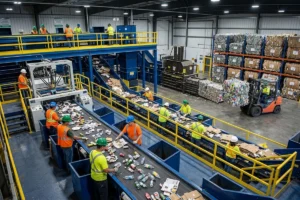
Recycling can also be a big part of the job. Cardboard, plastics, glass and other materials may need to be separated rather than simply treated as general waste. The process will depend on the facility and the type of waste being handled.
Some workers also operate equipment. Depending on the position, this could mean driving a waste collection vehicle, using a forklift or operating machinery used to move or process waste. The licences and training needed will depend on the equipment involved.
Waste Management Around Brisbane 2032
Brisbane 2032 will bring large numbers of athletes, spectators, workers and visitors to different locations around Queensland. Keeping those areas clean will require more than simply putting extra bins around a venue.
Preparing sporting venues and supporting facilities involves many types of work beyond waste collection. If you’re interested in the wider development of sporting infrastructure, our guide to construction jobs supporting Brisbane 2032 projects explains the different types of work involved in these developments.
Waste will need to be collected regularly, public areas will need to be kept clear and collection points will need to be managed throughout the day. Food and catering operations can also create a lot of waste, while some facilities may have separate requirements for medical or other specialised waste.
The work may not be limited to competition venues either. Transport areas, temporary facilities, accommodation, hospitality businesses and other locations connected to the Games could also see higher volumes of waste.
There is also a sustainability side to the issue. Waste reduction, recycling and better use of resources are all part of the wider conversation around major events, so waste operations will need to consider more than simply getting rubbish out of sight.
It is worth remembering, though, that this does not mean every waste worker in Brisbane will be working directly for Brisbane 2032. Jobs could come from waste companies, councils, contractors, facility operators, cleaning providers and other businesses supporting venues and major projects.
What Skills Can Help?
You do not necessarily need years of experience to get started in waste management. What matters will depend on the position, but being reliable, physically capable and comfortable working outdoors can be important.
Some jobs involve early starts, long periods on your feet or working around vehicles and machinery. Others may involve sorting materials, dealing with customers or working as part of a larger team.
Having experience with equipment can be useful, particularly for jobs that involve forklifts, collection vehicles or other machinery. Some positions may also require a specific licence or ticket.
For example, a waste collection driver will need the appropriate licence for the vehicle being driven. A worker operating a forklift may need the relevant forklift licence. Other jobs may have their own safety or training requirements.
The best approach is to check the requirements for the actual job rather than assuming every waste management position has the same entry requirements.
How Much Do Waste Management Workers Earn?
There is no single pay rate across the waste management industry. What someone earns can depend on the job, employer, experience, licences and working conditions. Night shifts, weekends, overtime and allowances can also make a difference.
As a general Australian benchmark, Indeed’s refuse collector page, updated 30 September 2026, reports average base pay of $41.82 an hour from 40 salary reports, with a reported range of $30.75–$56.88. This is a small national job-market sample, not an award minimum or a measure of all waste-management occupations. That gives you an idea of the range being reported for this type of work, but it should not be treated as a confirmed Brisbane 2032 pay rate. Actual wages will depend on the employer and the position.
Waste collection drivers, recycling workers, equipment operators, and supervisors may each have different salaries and working conditions depending on their roles. If you are comparing jobs, it is worth checking the hours, overtime, allowances, weekend rates and contract length rather than judging the opportunity from the hourly rate alone.
How Can You Get Started?
You do not need to wait until the Olympic Games to start looking at this type of work. Waste management is already an established industry, which means you can gain relevant experience now and potentially use that experience when more work becomes available around Brisbane.
Instead of searching only for “Brisbane Olympics jobs”, try searching for the actual type of work you want. You might come across positions such as waste collection worker, refuse collector, waste facility worker, recycling worker, waste management operator or waste collection driver.
It is also worth keeping an eye on waste companies, councils, contractors and facility operators. These organisations may be involved in providing services to major venues and events without necessarily putting “Brisbane 2032” in the job title.
If you are serious about getting into the industry, look at the qualifications employers are asking for and work towards those requirements. Keeping your resume up to date also helps. Make your relevant licences, equipment experience, outdoor work and safety training easy for an employer to spot.
Frequently Asked Questions
What is waste management?
Waste management covers the collection, movement, sorting, recycling, treatment and disposal of waste. The work can take place in residential areas, businesses, public facilities, industrial sites and large events.
What could waste workers do at a major sporting event?
They could collect rubbish, check bins, clear public areas, sort recyclable materials, manage collection points or operate equipment used to move waste. The exact duties would depend on the venue and employer.
Will Brisbane 2032 create waste management jobs?
The Games will involve a large amount of activity across venues and supporting facilities, which could create additional demand for waste services. However, the number and timing of specific jobs will depend on the organisations and contractors involved.
Do I need a licence?
Not for every waste management job. However, driving and equipment-related positions can have specific licence requirements. Always check the individual job advertisement before applying.
Is waste management a long-term career?
It can be. Waste collection, recycling and resource recovery are ongoing industries, so experience gained through event-related work can also be useful after the Games.
Is the work physically demanding?
Some positions are. Workers may spend much of the day outdoors, walking, lifting, moving materials or working around vehicles and machinery. The physical demands depend on the particular job.
Will waste management jobs continue after Brisbane 2032?
The need for waste services will obviously continue after the Games. Whether a particular job continues will depend on whether it is a permanent position or was created specifically for an event or project.
Final Thoughts
Waste management is not usually the part of a major sporting event that gets much attention, but it is something that has to work properly in the background.
With Brisbane preparing for the 2032 Olympic and Paralympic Games, there could be more demand for workers involved in collection, recycling, waste facilities, equipment operation and related services.
That does not mean you need to wait for a job advertisement with “Olympics” in the title. Building experience in the waste industry now could be a more practical way to prepare.
If you are comfortable with physical work, outdoor environments and changing schedules, waste management could be an area worth keeping an eye on as Brisbane moves towards 2032.
To check advertised roles in this field, browse the Cleaning & Maintenance job category. Read each listing for its location, requirements and application instructions; availability changes.