
Before travelling to off-the-job apprenticeship training, check whether Queensland travel and accommodation support applies and what approval, evidence and claim timing are required. Keep government support separate from any employer obligation under the applicable employment instrument.
Do not assume every trip, provider or apprentice arrangement is covered. Establish the current criteria and the particular training attendance before relying on support in a budget.

Start with the official program information
Queensland’s travel and accommodation allowance guidance describes assistance for eligible apprentices and trainees travelling to training. It identifies conditions relating to registration, work mode, distance, the relevant training organisation and claim timing.
The page also distinguishes school-based arrangements and circumstances that need further discussion with the department. Ask about your actual situation rather than extending another learner’s approved claim to your trip.
Use the current policy and guidelines record and program contact for detailed conditions. Rates and eligibility should be checked at the time of the enquiry; this guide does not calculate an individual payment.
Confirm the training and travel basis
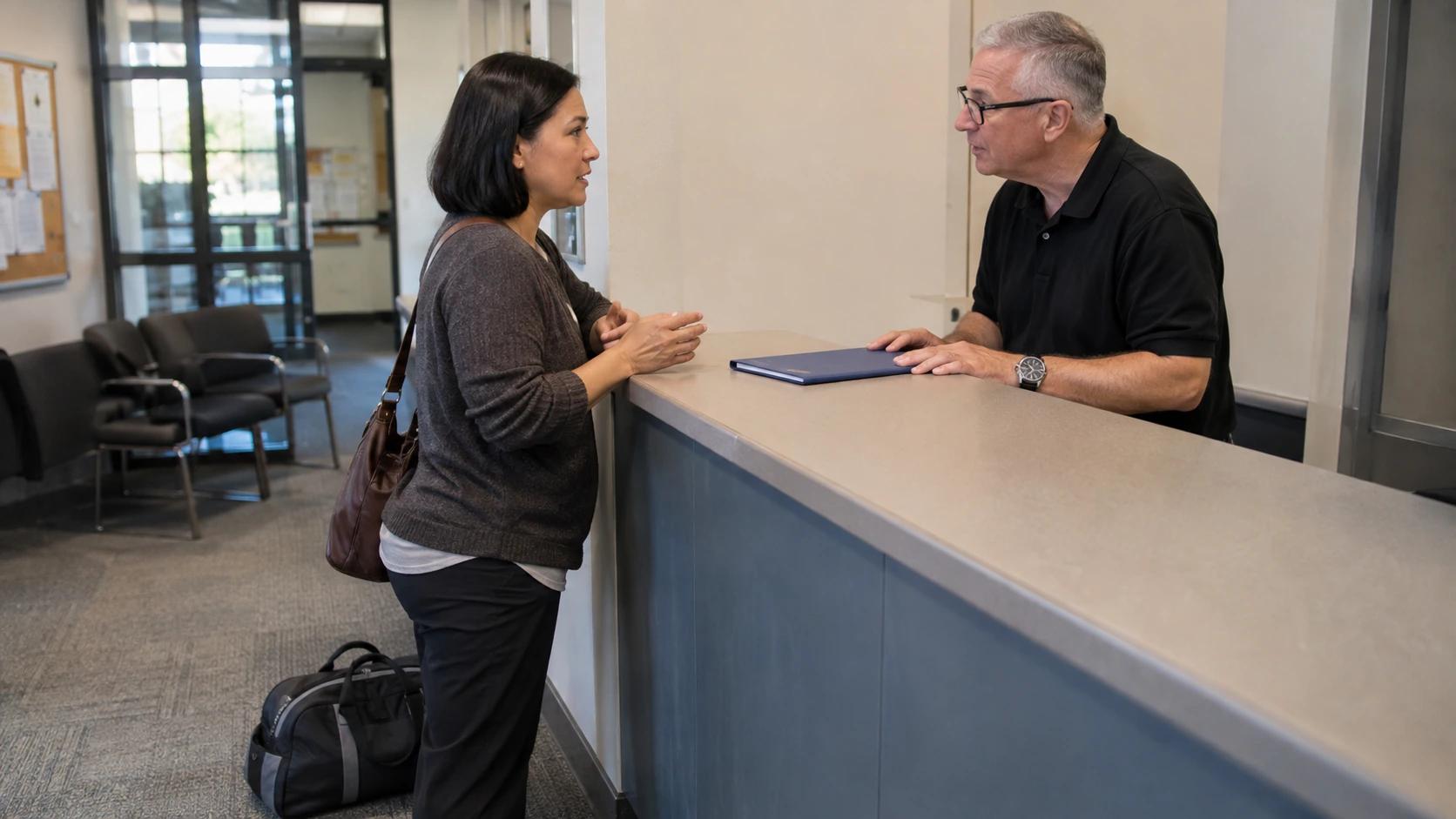
Ask the RTO for the confirmed attendance dates and location. Check whether the proposed provider and travel arrangement fit the program rules, including any requirement concerning the closest suitable training organisation.
If a different provider, flight, advance payment or special arrangement is being considered, ask whether prior approval or additional evidence is needed. Do not book on the assumption that every reasonable-looking expense will be reimbursed later.
Keep provisional dates separate from confirmed sessions. A cancelled or changed class can affect travel arrangements and the evidence needed for a claim.
A practical support-check worksheet
Record:
- Training: qualification, RTO, attendance dates and location.
- Arrangement: registered apprenticeship or traineeship details and relevant work mode.
- Travel: proposed journey and the program basis to check.
- Eligibility: current criteria and any special circumstances raised with the department.
- Approval: what is confirmed and what remains conditional.
- Evidence: attendance, travel, accommodation or other records required.
- Claim: correct process and deadline confirmed from current guidance.
- Other payment: employer or another program’s contribution to discuss separately.
Keep identity and personal financial information in the appropriate private process, not a shared travel-planning sheet.
A fictional planning example
This original scenario is invented. Alex receives a block-training notice and considers a provider that is farther away than another possible option. Before making bookings, Alex asks the training authority how the provider choice affects eligibility and whether an exception or prior approval is relevant.
Alex also asks the employer about any applicable travel entitlement and how government assistance interacts with it. No payment or exception is assumed from the enquiry alone.
Keep the claim and employment records aligned
Retain the approval, attendance evidence, claim submission and outcome. Check the details if dates or costs change. Do not claim the same expense inconsistently across different processes or assume a contribution from one source automatically completes the other. If you are also comparing trade pathways, our Brisbane trades jobs guide provides role context for that decision; keep any travel-support entitlement tied to the actual apprenticeship and approved training arrangements.
Where information is unclear, contact the program authority before the relevant deadline or commitment. A complete planning record should show the confirmed support, remaining costs and next action without presenting conditional assistance as money already received.