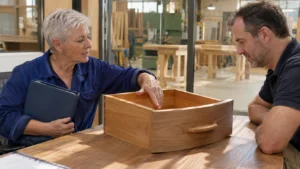


A Queensland school-based apprenticeship or traineeship needs coordination between the student, school, employer, training provider and parent or guardian where required. It combines a formal work-and-training pathway with schooling; it is not simply a weekend job given a different title.
The Queensland eligibility guide sets out current requirements. Check the specific occupation and arrangement before assuming a student is eligible or a proposed employer can provide the training.

Check school and student requirements first
The current guide generally identifies Years 10, 11 and 12, with school-based electrotechnology apprenticeships in Years 11 or 12. Starting before Year 10 requires a special business case. Check the full criteria and obtain advice before commencing an exceptional arrangement.
School support is required. Parent or guardian permission generally applies to students under 18, with an exception described for students living independently. Do not assume a parent’s agreement alone replaces school approval or that every school supports every proposed arrangement.
Work or training must affect the school timetable in the way required by the pathway. Ask the school coordinator to explain how the proposed plan fits; do not rearrange subjects on the basis of an informal employer conversation.
Prepare for a joint planning meeting
| Participant | Questions to bring |
|---|---|
| Student | What work interests me, and can I manage the travel and study commitment? |
| Parent or guardian, where relevant | What consent, transport and support arrangements are needed? |
| School coordinator | Is the pathway supported and how will the timetable and learning plan work? |
| Employer | Can the business provide appropriate paid work, supervision and training experience? |
| Training provider | Which qualification, plan, delivery and assessment arrangements apply? |
| Training support contact | What contract and eligibility steps must be completed? |
This is an original meeting checklist, not a placement offer or an approval form. Bring unresolved questions rather than treating the meeting as confirmation that the arrangement is already operating.
Clarify work, training and pay
Ask the employer and training provider to explain the actual hours, supervision and training commitments. Queensland has specific minimum-work requirements, including different electrotechnology provisions. Check those directly for the proposed pathway rather than relying on a general student-hours rule.
Use the applicable industrial instrument to clarify pay, including the treatment of provider training for the school-based arrangement. Do not assume every training hour is paid identically across all pathways or that a course fee is the only cost to consider.
Record travel, tools, clothing, course costs and who pays each item. If funding is mentioned, obtain current eligibility confirmation rather than treating it as a guaranteed subsidy.

A fictional coordination example
A fictional Year 11 student is interested in a business traineeship. A local employer is willing to discuss it, but the school timetable and provider delivery have not been agreed.
The student and parent arrange a meeting with the school coordinator, then ask the employer and provider to clarify the work and training plan. They do not describe the student as having secured a school-based traineeship until the required arrangements are confirmed. The example illustrates coordination, not a finding of eligibility or an available placement.
Plan for changes and the period after school
Ask what happens if subjects, employer work, training delivery or school enrolment changes. Identify the contact responsible for explaining any contract changes and the transition after leaving school. Do not assume a school-based apprenticeship will be completed during high school.
Keep copies of the agreed plan, relevant permissions and key contacts. Raise workload or supervision concerns early through the proper process.
Our student jobs guide covers broader experience, while the work-experience guide offers other preparation ideas. A school-based pathway requires its own formal checks and does not guarantee a future job or Games-related opportunity.