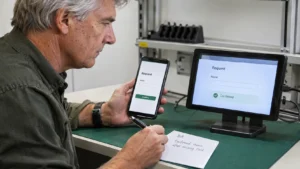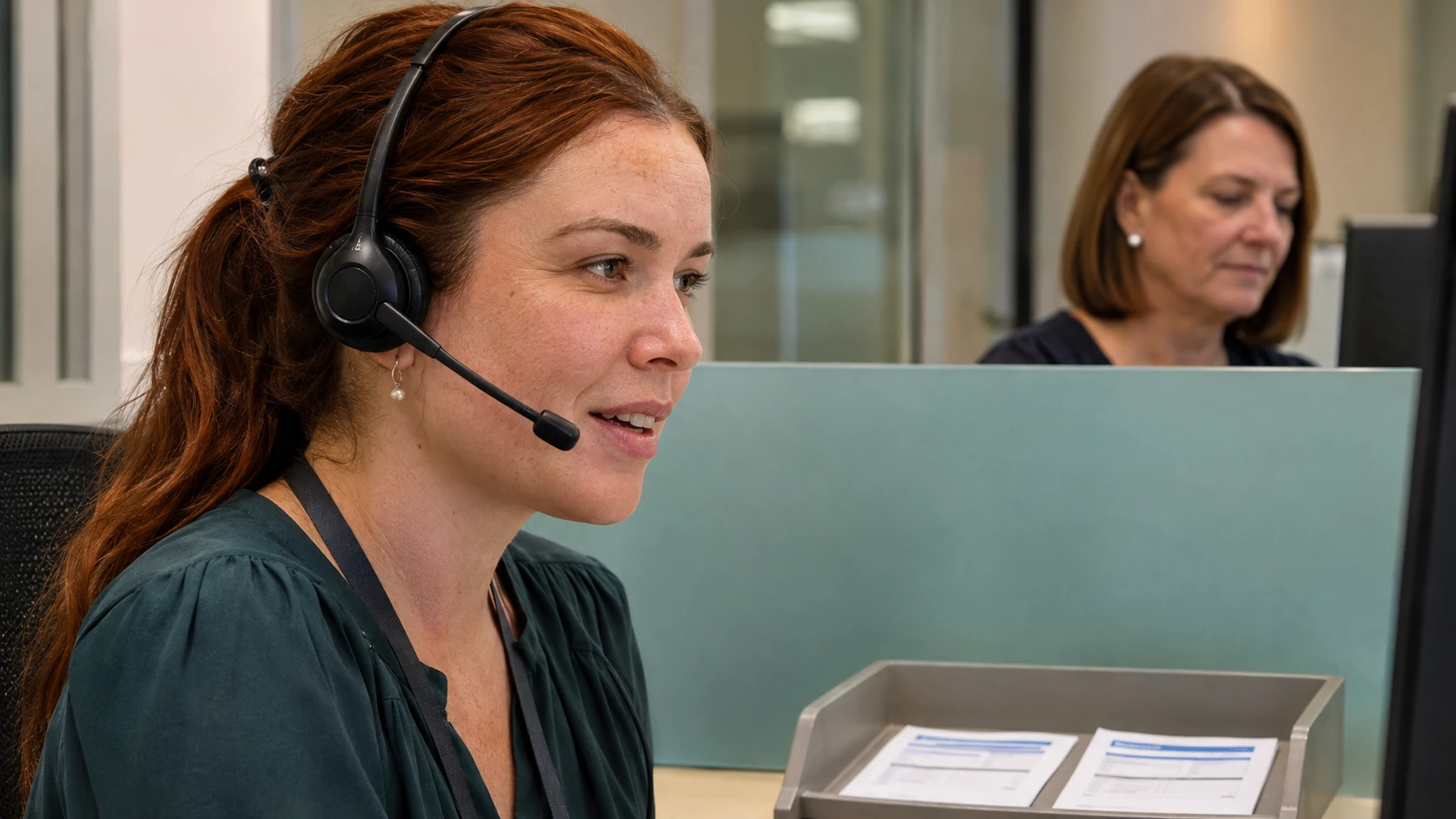



A UX designer investigates how people use a product or service and develops design options informed by that evidence. Assess the actual vacancy for its balance of research, interaction design, prototyping, usability work and collaboration.
A polished screen is only one part of the evidence. A useful case study explains the user problem, what was actually investigated and why the design changed.
Understand the advertised UX scope
The ABS UI/UX-designer description covers user research, design and usability testing. Actual positions may separate these responsibilities or combine them within a small team.
Check the required qualifications, experience, research responsibilities and portfolio expectations. Identify whether the employer needs someone to lead discovery, contribute to an established design system or work on a specific interaction problem.
The existing IT roles guide provides broader career context. UX evidence should explain design reasoning rather than claim that visual polish alone proves a usable service.
Distinguish observations from assumptions
State the question and identify what evidence would help answer it. Keep a proposed user need, an observed difficulty and a design hypothesis separate until the work supports a conclusion.
Plan research through the organisation’s approved process, including consent and handling of participant information. The GOV.UK informed-consent guide provides a useful research-practice reference; it is not a statement of Australian legal requirements.
Explain the limits of a small study or prototype. Do not turn a preference expressed by one participant into a claim about all users, or invent participants to make a portfolio look more substantial.
A fictional design exercise
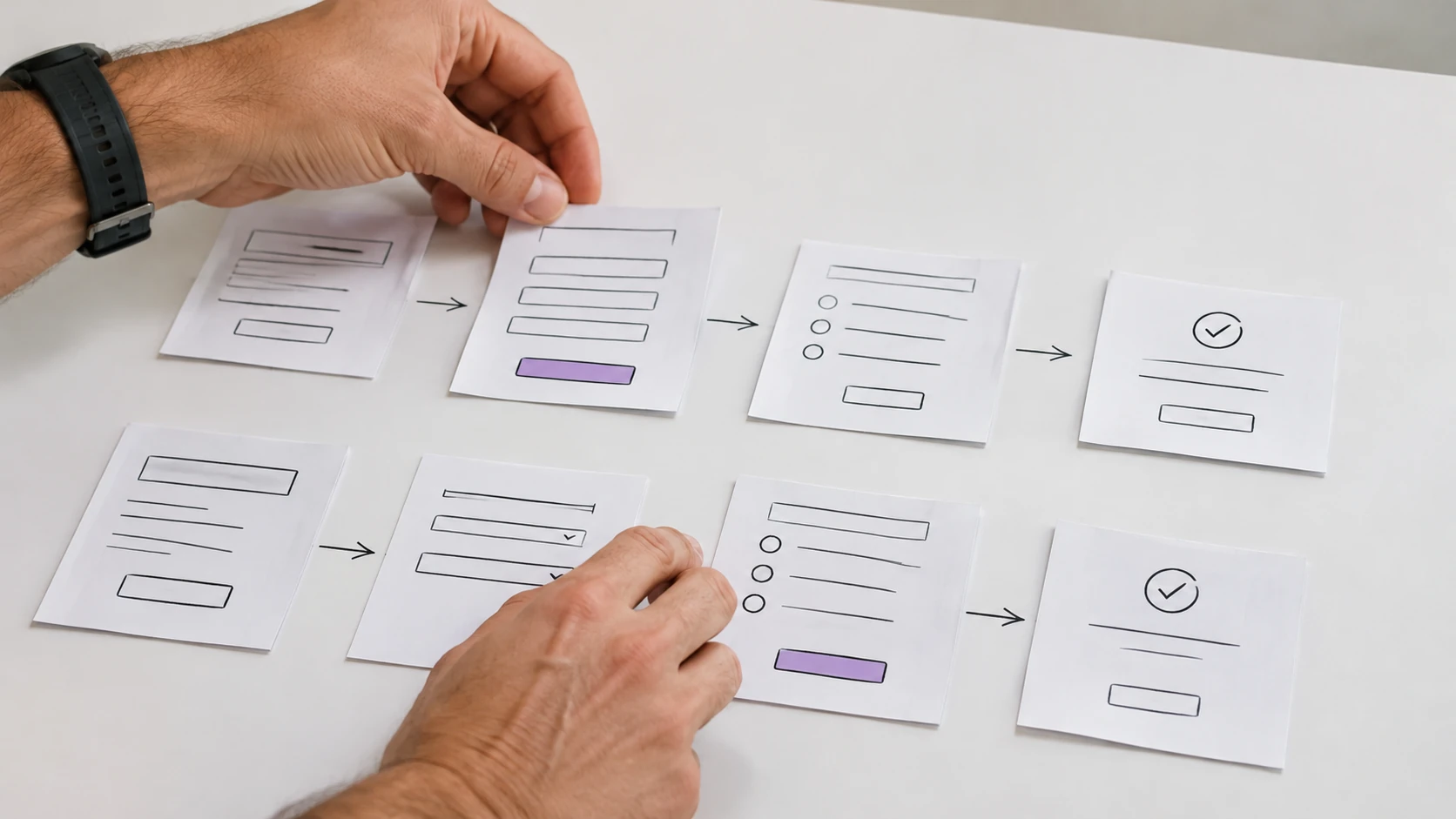
In this invented exercise, a practice service form asks for information before explaining why it is needed. The designer identifies a possible comprehension problem and sketches two alternative sequences for future review.
The case study records the design hypothesis and a proposed usability task. Since no real research has taken place, it contains no participant quotes, success rates or claims that either version has been validated.
It demonstrates how the designer frames the question and plans to learn, while clearly labelling the remaining evidence gap.
Build an honest UX case study
For an authorised or fictional example, describe:
- User task and service context.
- Your actual contribution and collaborators.
- Evidence available and assumptions still open.
- Research method and participant safeguards where applicable.
- Design options and reasons for the selected direction.
- Observed findings and changes supported by them.
- Limitations and the next question to investigate.
Share only permitted material. Explain whether a prototype was tested, implemented or simply proposed, and use the correct status throughout the case study.
Ask about research and delivery support
Clarify how the team recruits participants, reviews accessibility, involves developers and makes product decisions. Ask who owns research governance and how design findings reach delivery work.
A credible application connects a user question with evidence and a reasoned design response. It helps an employer understand your judgement without treating an attractive prototype or an untested assumption as a proven improvement.