Before working in heat, ask how the actual task, environment and worker circumstances have been assessed and what controls are in place. Air temperature alone does not establish whether the work is safe, and a forecast should not replace task-specific planning.
The practical aim is to understand the work arrangement, raise concerns early and know how to obtain help. This guide does not provide medical treatment or a universal threshold for stopping work.
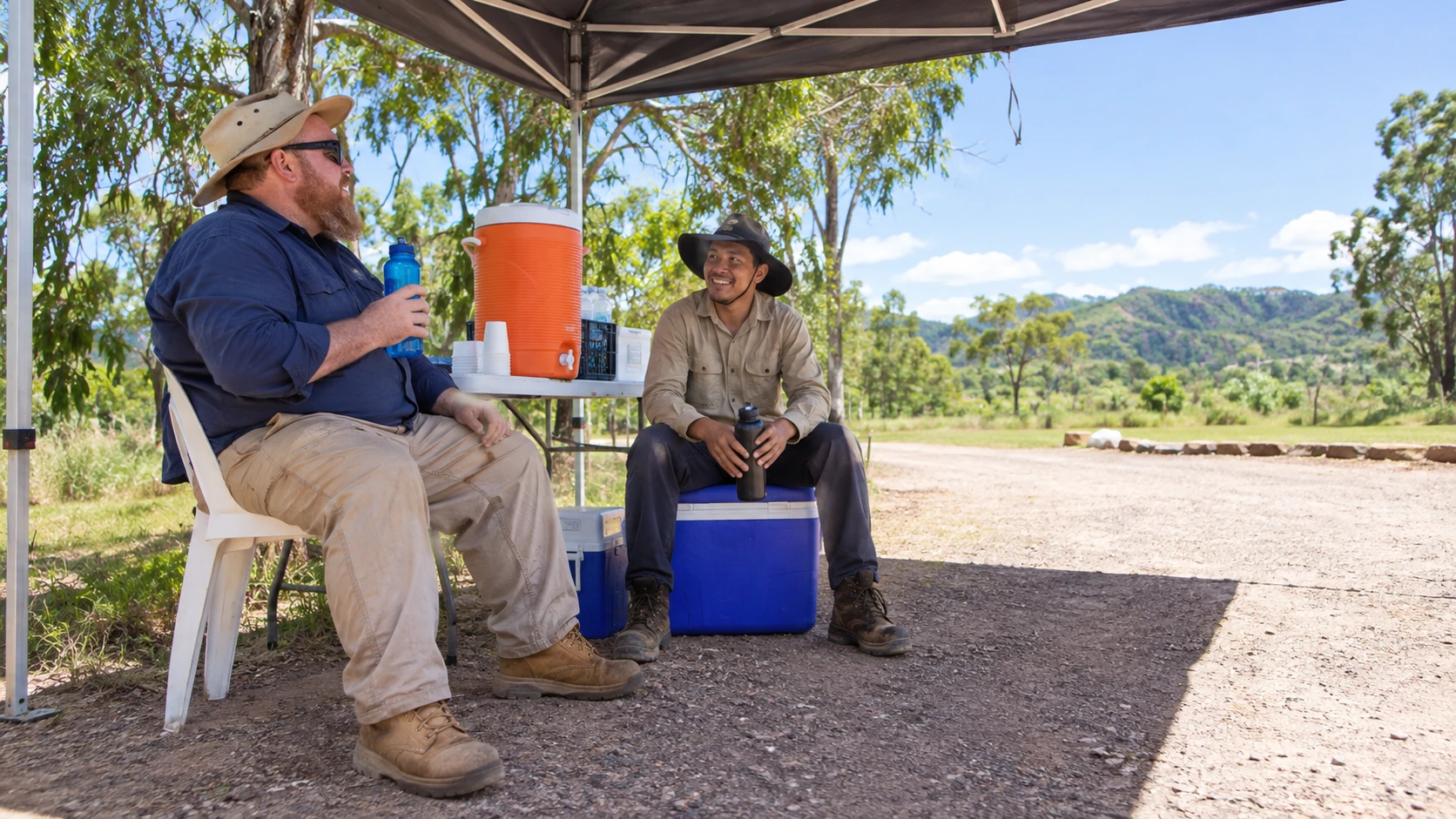
Ask about the whole exposure
WorkSafe Queensland’s heat-stress guidance identifies environmental, work-process and individual factors. Humidity, radiant heat, air movement, physical effort, duration and protective clothing can all affect the situation. For an outdoor role, our groundskeeper jobs guide can help identify the duties to discuss with the supervisor; the site-specific heat controls still need to come from the workplace’s actual safety process.
A shaded outdoor task and work near a heat-producing process may require different controls even on the same day. Ask what conditions are expected where the work actually occurs, not only at the nearest weather station.
Safe Work Australia’s heat questions and answers explain why there is no single universal stop-work temperature. Follow the applicable workplace process and Queensland regulatory guidance for an actual concern.
Use an original pre-shift question list
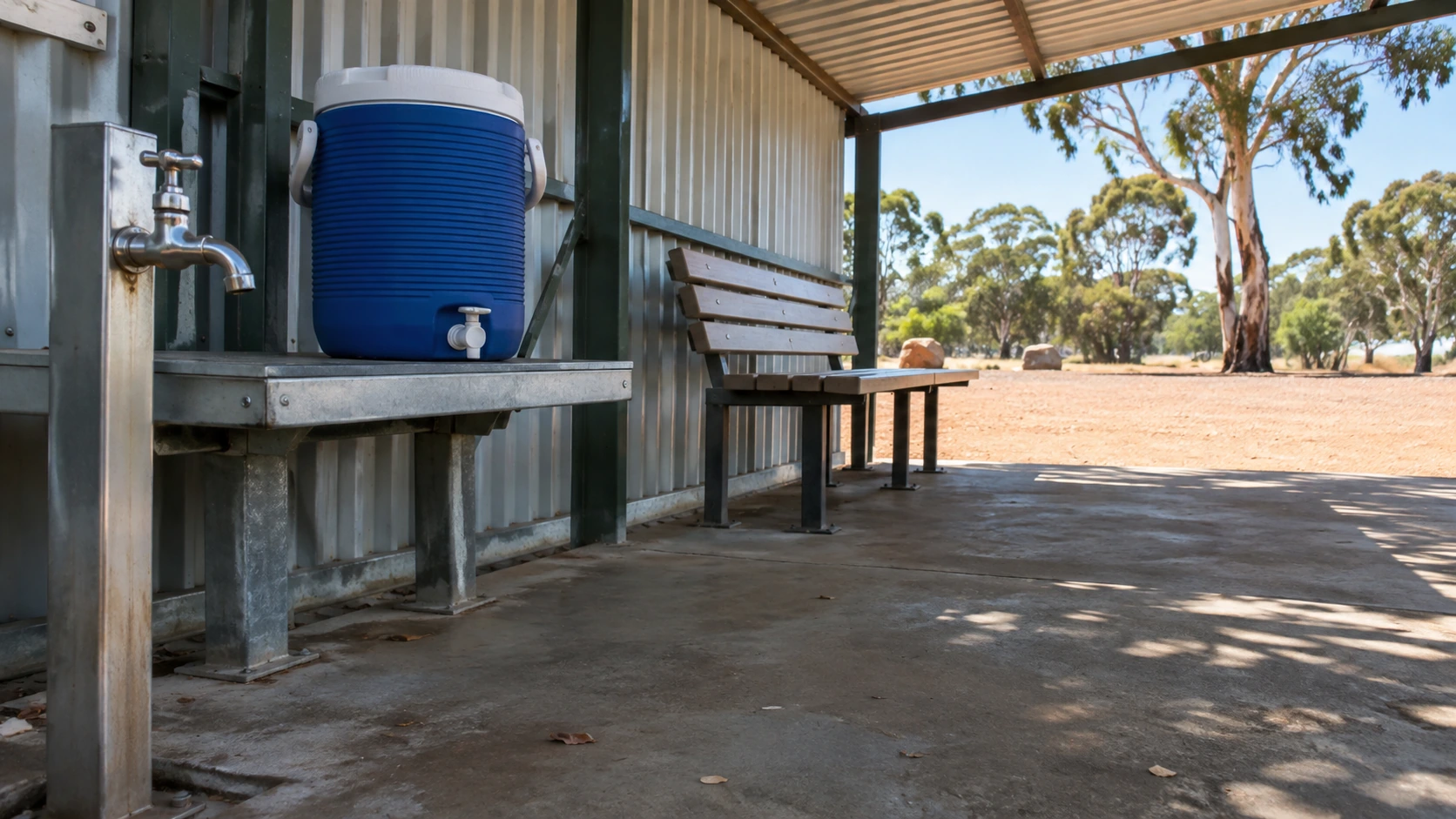
Discuss these points with the appropriate supervisor or safety contact:
- Task: what work is planned, for how long and at what level of effort?
- Environment: which heat sources, sun exposure, humidity or ventilation issues are relevant?
- Controls: can the task be avoided, rescheduled, redesigned or performed in a safer location?
- Facilities: where are suitable cool drinking water, shade or cooling and rest facilities?
- Work pattern: what breaks, task changes or monitoring arrangements have been planned?
- Communication: how will workers raise concerns and how will isolated workers obtain assistance?
- Response: what first-aid and emergency arrangements apply if someone becomes unwell?
- Review: who reassesses the arrangement when conditions or the task change?
These questions support consultation. They do not replace the employer’s assessment, the actual controls or training for the work.
A fictional change-of-task example
This original scenario is invented and does not establish a safe temperature or work period.
A team has planned a light outdoor setup task early in the day. The work changes to a more physically demanding activity near a hot surface. Before continuing under the earlier plan, a worker raises the change and asks the supervisor to review the exposure, controls and communication arrangements.
The important observation is the changed task. A plan for the earlier work should not automatically be treated as adequate for a different exposure.
Know how to raise a concern
Describe the conditions and task clearly. A useful fictional message is: “The work now involves a longer period near the heat source than was covered in the briefing. Could we review the controls and confirm the cooling, breaks and help arrangements before proceeding?”
If there is an immediate serious safety risk, stop the affected task as soon as it is safe, move away from the danger and notify the responsible contact. Do not wait for a routine approval or review meeting. If someone becomes unwell, obtain appropriate first-aid or emergency assistance rather than trying to diagnose the problem from an online article.
Review what changed
Confirm the authorised decision and communicate it to affected workers. Keep an appropriate record of the concern and response, especially if the task or conditions continue to change. Do not remove required protective equipment to manage heat without an authorised safe-work decision about the competing risks.