A business call log should preserve the enquiry, relevant facts and next action so another authorised person can continue the work. It is a note of the business interaction, not permission to record audio or collect every personal detail mentioned.
Use the organisation’s approved system and follow any notice or other requirements that apply to the actual service. Keep sensitive information in the appropriate restricted process.
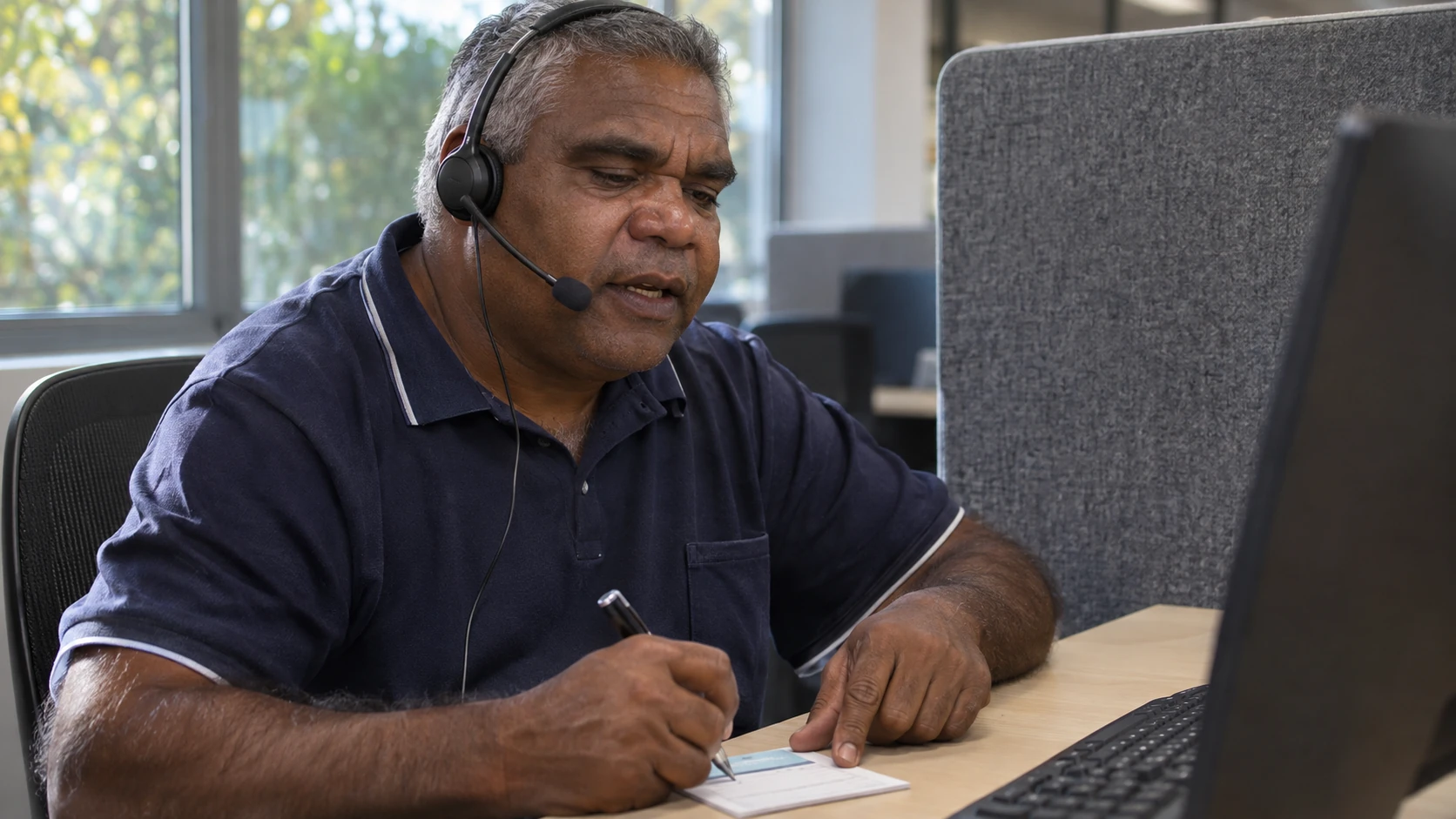
Decide what the log needs to support
Identify why the call is being logged: responding to an enquiry, checking a booking or referring a service problem, for example. Record enough to support that purpose without creating a detailed personal account unrelated to the work.
The OAIC’s guide to securing personal information provides privacy-security context where applicable. Check the organisation’s actual collection and records arrangements rather than assuming every call note has the same requirements.
If the call raises an immediate safety issue or another matter requiring a separate response, follow that process promptly. A general log entry should not become a substitute for the necessary report.
A practical call-log structure
Record:
- Reference: approved case, booking or enquiry identifier.
- Contact: necessary caller and callback information, verified as appropriate.
- Time: date, time and relevant communication context.
- Purpose: the question or request in clear terms.
- Facts: information provided and matters still unconfirmed.
- Action: what was explained, requested or referred.
- Owner: who is responsible for the next step.
- Follow-up: agreed update point and eventual outcome.
Distinguish what the caller said from information independently checked. Avoid labels about personality, motives or credibility that are unsupported and unnecessary for handling the enquiry.
A fictional completed entry
In this invented office example, a caller asks whether a meeting-room booking has been moved. The staff member checks the approved booking record and finds a pending change request, with no confirmed alteration.
The log states: “Caller asked for current booking status. Record shows proposed date change awaiting coordinator decision. Explained that no new date is confirmed. Referred to booking coordinator for update through the agreed contact method.”
The entry does not say the change was approved, and it does not promise a callback time that the coordinator has not accepted.
Confirm important details during the call
Read back necessary dates, references and next actions. Ask a precise question where information is unclear rather than guessing a name or number from a poor connection.
Discuss a suitable way to provide the follow-up, including any communication access need. Verify authority before disclosing booking, account or personal information under the actual process.
If someone else will respond, identify the receiving owner and confirm the handover where required. Sending a note to an unmonitored inbox does not establish that the next action has been accepted.
Close the loop and review the record
Update the outcome when the enquiry is resolved, preserving the history through the approved process. Keep an unresolved status visible if another decision is still needed.
Review repeat calls for a process or information problem, using proportionate summaries. A useful call log lets another person understand the customer’s question, what is known and who must act next without having to recreate the conversation.
For career context, explore administration roles in Brisbane and compare the enquiry handling, record keeping and follow-up expected by employers.